How to dispute an error on your credit report is more than just a procedural task; it’s about taking control of your financial well-being. Credit reports, those comprehensive snapshots of your financial history, can sometimes harbor mistakes. These inaccuracies, if left unaddressed, can significantly impact your ability to secure loans, rent an apartment, or even get a job. The good news is, you’re not powerless. Understanding the process of correcting these errors is a crucial step toward protecting your credit score and financial future. We’ll explore the critical initial steps, delve into how to identify and document errors, and then guide you through the process of formally disputing them with both credit bureaus and creditors.
Regularly reviewing your credit reports is like conducting a financial health checkup. It’s recommended that you obtain a free copy of your credit report from each of the three major credit bureaus – Equifax, Experian, and TransUnion – at least once a year through AnnualCreditReport.com. However, for more proactive monitoring, consider checking them every few months, especially if you’re planning a major purchase or believe you might be a victim of identity theft. This early detection allows you to catch inaccuracies quickly, such as incorrect account balances, payments reported late when they were on time, or accounts that don’t belong to you. Familiarize yourself with the process of obtaining these reports, and always be aware of any associated costs or potential pitfalls. Common errors often include incorrect personal information, accounts listed as open when they’re closed, and fraudulent accounts.
Understanding the Initial Steps for Addressing Credit Report Errors is Essential for Consumers
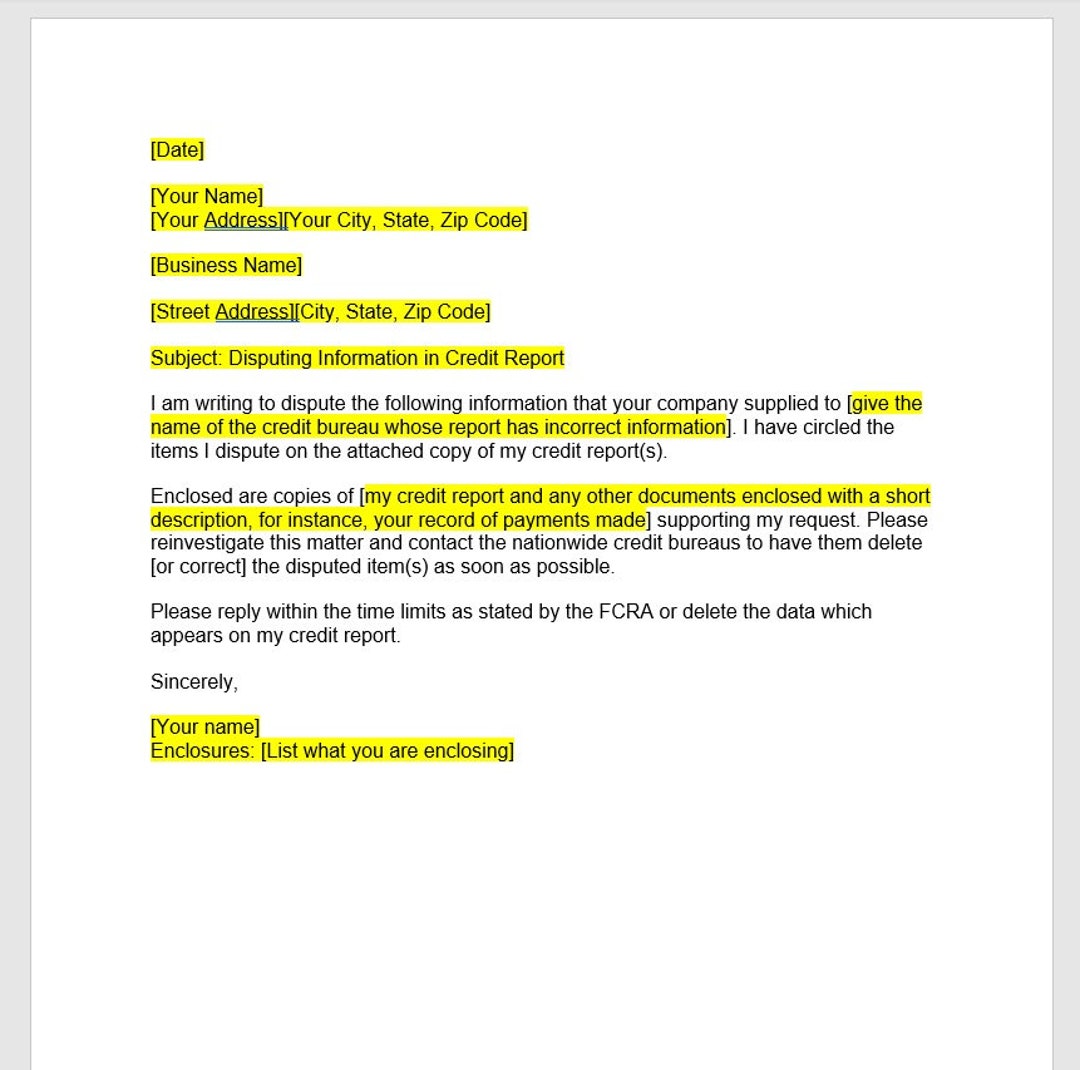
Understanding and addressing errors on your credit report is a crucial step toward maintaining a healthy financial profile. It’s easy to overlook these inaccuracies, but even minor mistakes can have significant consequences, potentially affecting your ability to secure loans, rent an apartment, or even get a job. Being proactive and regularly reviewing your credit reports allows you to catch and correct errors before they cause damage.
Importance of Regular Credit Report Review, How to dispute an error on your credit report
Regularly reviewing your credit report is not just a good practice; it’s a necessity. Checking your credit report frequently allows you to identify potential issues early on, such as fraudulent activity or incorrect information. The frequency with which you should review your reports is a key consideration. The general recommendation is to check your credit reports from all three major credit bureaus – Equifax, Experian, and TransUnion – at least once a year. However, it’s even better to stagger these reviews. You can obtain a free credit report from each of the three bureaus annually through AnnualCreditReport.com. By requesting one report every four months, you can monitor your credit information continuously throughout the year. This strategy allows you to stay informed about any changes and detect any potential errors or fraudulent activity promptly. For instance, imagine a scenario where someone opens a credit card in your name. If you check your report annually, it could take a year to discover the fraud. With more frequent monitoring, you’d likely catch it much sooner, minimizing the damage. This proactive approach can save you time, money, and stress in the long run.
Obtaining Your Credit Reports
Obtaining your credit reports is a straightforward process. Here’s a step-by-step guide:
1. Visit AnnualCreditReport.com: This is the official website authorized by federal law to provide free credit reports from Equifax, Experian, and TransUnion. This website is secure and the only one you need to use for your free reports.
2. Request Your Reports: On the website, you will be prompted to select the credit bureaus from which you want to obtain your report. You can request reports from all three bureaus at once or stagger your requests.
3. Provide Identifying Information: You will be asked to provide personal information to verify your identity. This typically includes your name, address, date of birth, Social Security number, and other identifying details. This is to ensure that only you can access your credit information.
4. Review Your Reports: Once you have accessed your reports, carefully review each one. Look for any inaccuracies, such as incorrect personal information, accounts that don’t belong to you, or incorrect balances.
5. Identify Potential Errors: Note any discrepancies you find. If you notice any errors, make sure to gather supporting documentation, such as account statements or any other proof to support your claim.
6. Dispute Errors: If you find any errors, you have the right to dispute them. Follow the instructions provided by each credit bureau to file a dispute. This process usually involves submitting a written dispute, along with any supporting documentation, to the credit bureau.
7. Associated Costs: Under federal law, you are entitled to one free credit report from each of the three major credit bureaus every 12 months. Additional reports may be available for a fee, depending on your state and specific circumstances.
Common Credit Report Errors
Credit reports can contain various types of errors. Understanding these common inaccuracies will help you identify them when reviewing your own reports.
- Incorrect Personal Information: This includes errors in your name, address, Social Security number, or date of birth. This type of error can lead to confusion and potentially impact your credit score if it’s not corrected.
- Accounts That Don’t Belong to You: This is a serious error that can indicate identity theft or fraud. It’s crucial to identify and dispute any accounts that you did not open or authorize.
- Incorrect Account Balances or Credit Limits: This includes inaccurate reporting of your outstanding balances on credit cards, loans, or other accounts, or incorrect credit limits. An inflated balance, for example, could negatively affect your credit utilization ratio, which is a significant factor in your credit score.
- Late Payments or Delinquencies: These are errors that show late payments or missed payments that were actually made on time. Even a single missed payment can significantly lower your credit score.
- Duplicate Accounts: This involves the same account being listed multiple times on your credit report. This can distort your credit history and create the impression that you have more debt than you actually do.
- Closed Accounts Listed as Open: If a credit account is listed as open when it is, in fact, closed, it could misrepresent your credit utilization and overall credit profile.
Identifying the Specific Errors on Your Credit Report Requires Diligence and Careful Examination

Pinpointing errors on your credit report is a critical step in maintaining a healthy financial profile. This process demands careful attention to detail and a methodical approach. By thoroughly reviewing your credit reports from all three major credit bureaus – Experian, Equifax, and TransUnion – you can identify and address any inaccuracies that could negatively impact your creditworthiness. Remember, errors can range from minor data entry mistakes to more significant issues that could severely damage your credit score.
Scrutinizing Your Credit Report: A Detailed Examination Process
Examining your credit report involves a systematic review of all the information contained within. This includes verifying the accuracy of personal information, account details, and payment history.
Here’s a breakdown of what to look for:
- Personal Information: Start by verifying that your name, address, Social Security number, and date of birth are correct. Any discrepancies here could lead to identity theft or mix-ups with other individuals.
- Account Information: Carefully review each account listed on your report. Make sure the account numbers, creditor names, and account types are accurate.
- Account Balances: Verify that the outstanding balances listed for each account are correct. Incorrect balances can significantly affect your credit utilization ratio, which is a major factor in determining your credit score.
- Payment History: This is arguably the most crucial section. Check for any late payments, missed payments, or charge-offs that you don’t recognize. Pay close attention to the dates of these events to ensure their accuracy.
- Credit Limits: Confirm that the credit limits listed for your credit accounts are accurate. Incorrect limits can impact your credit utilization calculation.
- Public Records: Check for any bankruptcies, tax liens, or judgments that are inaccurately reported or that do not belong to you.
- Inquiries: Review the list of credit inquiries to ensure you recognize all the inquiries. Unauthorized inquiries could indicate potential fraud.
Be on the lookout for inconsistencies, such as:
- Incorrect Account Balances: The balance listed doesn’t match your records.
- Inaccurate Payment History: Late payments are reported when you paid on time.
- Accounts You Don’t Recognize: Accounts that you never opened or used are listed on your report.
- Duplicate Accounts: The same account is listed multiple times.
- Incorrect Personal Information: Your name, address, or other identifying information is wrong.
Types of Credit Report Errors: Examples and Impacts
Understanding the different types of credit report errors and their potential impact on your credit score is essential. The following table provides a comparison of common errors.
| Error Type | Example | Potential Impact on Credit Score | Explanation |
|---|---|---|---|
| Incorrect Account Balance | A credit card shows a balance of $1,000 when it should be $0. | Can significantly lower your score. | Inflated balances increase your credit utilization ratio, making you appear as a higher-risk borrower. For example, if your credit limit is $5,000, and the balance is incorrectly reported as $1,000, your credit utilization is 20%. But if it’s reported as $2,000, your credit utilization increases to 40%, potentially lowering your score. |
| Late Payment Reported | A payment made on time is incorrectly listed as 30 days late. | Can severely damage your score. | Late payments, especially recent ones, are a major negative factor. For example, a single 30-day late payment can reduce a credit score by 60-110 points, depending on the initial score. |
| Account Not Belonging to You | An account from a department store you’ve never used appears on your report. | Can lower your score if the account has negative information. Can lead to identity theft. | Unfamiliar accounts may indicate identity theft or errors. These can also increase your debt-to-income ratio. |
| Incorrect Credit Limit | A credit card has a reported limit of $500 when the actual limit is $5,000. | Can slightly lower your score. | An incorrect credit limit will miscalculate your credit utilization ratio. |
| Duplicate Accounts | The same credit card account is listed twice. | Can cause confusion and potentially lower your score. | Multiple listings of the same account can skew your credit profile. |
Documentation: The Foundation of Your Dispute
Gathering the right documentation is crucial to successfully disputing credit report errors. This supporting evidence strengthens your case and increases the likelihood of a positive outcome.
Here’s what you should gather:
- Account Statements: Keep all your account statements. These documents show your payment history, account balances, and credit limits.
- Payment Receipts: Provide copies of any receipts, checks, or online payment confirmations to prove that you made payments on time.
- Letters from Creditors: If you’ve contacted a creditor about an error, keep a copy of the correspondence. Any letters confirming the error or providing corrected information are very helpful.
- Proof of Identity: Include copies of your driver’s license, Social Security card, and any other documents that verify your identity.
- Bankruptcy Papers (if applicable): If the error involves a bankruptcy, provide copies of the bankruptcy filing and discharge documents.
- Debt Validation Letters: If you’re disputing a debt, request debt validation from the collection agency.
These documents serve as evidence to support your claims. For instance, if you’re disputing a late payment, your bank statements or payment confirmations will demonstrate that you made the payment on time. If an account is listed that doesn’t belong to you, providing copies of your credit card statements from other accounts that do belong to you can help prove the discrepancy. The more documentation you provide, the stronger your dispute becomes. The Fair Credit Reporting Act (FCRA) gives you the right to dispute inaccurate information on your credit report.
Initiating the Dispute Process with Credit Bureaus and Creditors is a Critical Action
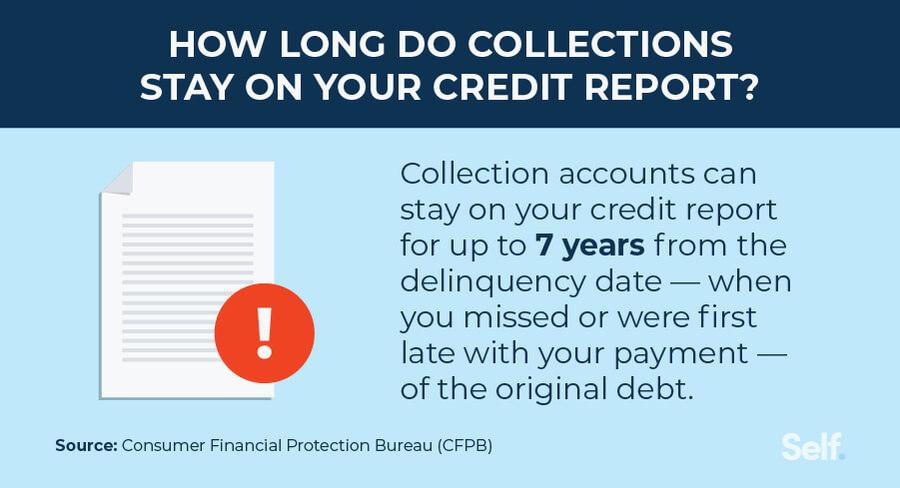
Once you’ve identified errors on your credit report, the next step is to formally initiate the dispute process. This is a crucial step in correcting inaccuracies and improving your credit standing. It involves contacting both the credit bureaus and the creditors responsible for the information. Following the correct procedures and providing accurate documentation are essential for a successful dispute.
Disputing Errors with Credit Bureaus
Disputing errors with credit bureaus is a process that requires attention to detail. Credit bureaus are obligated to investigate the information you dispute.
Here’s how to formally dispute an error with a credit bureau:
First, gather all the necessary information, including:
- A copy of your credit report showing the error.
- Any supporting documentation that validates your claim (e.g., statements, bills, payment records).
- The account number and the name of the creditor reporting the inaccurate information.
Next, you have several options for submitting your dispute:
- Online: Most credit bureaus allow you to dispute errors online through their websites. This is often the quickest method, as it allows you to upload supporting documentation electronically.
- By Mail: You can send a written dispute letter to the credit bureau. This method provides a paper trail and is often preferred if you have extensive documentation.
- By Phone: Some credit bureaus accept disputes over the phone, but it’s generally recommended to follow up with a written confirmation.
When writing your dispute letter, be clear and concise. State the specific error and provide supporting documentation.
Include the following information in your dispute letter:
- Your full name, address, and any other names you’ve used.
- Your date of birth and Social Security number.
- A clear description of the error you’re disputing.
- The account number and the name of the creditor reporting the inaccurate information.
- Copies of any supporting documentation.
- A request for the credit bureau to investigate the error.
Credit bureaus are required by law to investigate your dispute within 30 to 45 days. They must provide you with the results of their investigation. If the error is verified, the credit bureau must correct your report.
Dispute Letter Template
A well-structured dispute letter is essential for effectively communicating your concerns to the credit bureau. This template provides a framework you can adapt based on the specific error you’re addressing.
Here’s a template for your dispute letter:
“`
[Your Name]
[Your Address]
[Your City, State, Zip Code]
[Your Phone Number]
[Your Email Address]
[Date]
[Credit Bureau Name]
[Credit Bureau Address]
[Credit Bureau City, State, Zip Code]
RE: Dispute of Information on Credit Report
Dear Credit Bureau,
I am writing to dispute inaccurate information on my credit report. I have identified the following error(s):
[Clearly and concisely describe the error. Be specific. For example: “The account with account number [Account Number] listed with [Creditor Name] shows a balance of $X, which is incorrect. The correct balance is $Y, as evidenced by the attached statement.”]I am disputing this information because [Explain why the information is incorrect. Be factual and provide a brief explanation. For example: “This account was paid in full on [Date] as shown in the attached payment confirmation.”].
I have enclosed copies of the following documents to support my dispute:
[List all supporting documentation. For example: “Copy of my credit report highlighting the error,” “Copy of payment confirmation,” “Copy of bank statement.”]Please investigate this matter and remove the inaccurate information from my credit report. I look forward to your prompt response.
Sincerely,
[Your Signature]
[Your Typed Name]
“`
Remember to customize this template to match the specifics of your situation. Ensure you provide accurate details and clear supporting documentation. Consider sending the letter via certified mail with return receipt requested to maintain proof of delivery.
Disputing Errors Directly with the Creditor
Disputing errors directly with the creditor is another critical step in the process. Creditors are the original sources of the information reported to the credit bureaus, so resolving the issue at the source can be highly effective.
Here’s how to dispute an error directly with the creditor:
First, gather the same information you would use for disputing with a credit bureau:
- A copy of your credit report highlighting the error.
- Any supporting documentation that validates your claim (e.g., statements, bills, payment records).
- The account number and the name of the creditor reporting the inaccurate information.
Next, you will need to contact the creditor. You can usually find contact information on your credit report or the creditor’s website. Send a written dispute letter, as this provides a clear record of your communication.
The information a creditor will likely request includes:
- Your full name, address, and any other names you’ve used.
- Your Social Security number.
- Your date of birth.
- The account number associated with the error.
- A clear and concise description of the error.
- Copies of supporting documentation.
The potential outcomes of the dispute can vary:
- The creditor agrees with your dispute: They will correct the information they report to the credit bureaus, and the error will be removed from your credit report.
- The creditor investigates but disagrees with your dispute: They may provide evidence to support their original reporting. You can then provide additional evidence or escalate the issue to the credit bureaus.
- The creditor does not respond to your dispute: If the creditor doesn’t respond within a reasonable timeframe (typically 30 days), you can escalate the issue to the credit bureaus. The credit bureaus may then contact the creditor directly.
It’s crucial to keep records of all communications with the creditor, including dates, times, and names of individuals you spoke with. This documentation can be invaluable if you need to escalate the dispute. Consider sending your dispute letter via certified mail with return receipt requested to maintain proof of delivery.
Monitoring the Dispute Process and Understanding Your Rights is Imperative for Consumers

It’s crucial to stay on top of your credit report dispute from start to finish. Knowing the timelines and your rights will help you navigate the process effectively and ensure a fair outcome. This section breaks down what you need to know about monitoring your dispute and what to do if things don’t go as planned.
Timeframes for Responses and Actions When Deadlines Are Missed
Credit bureaus and creditors are legally bound to respond to your dispute within specific timeframes. Understanding these deadlines is key to protecting your rights.
Credit bureaus typically have 30 to 45 days to investigate your dispute. This timeframe begins when the credit bureau receives all necessary information from you. They are required to forward the dispute to the information provider (the creditor) and conduct a reasonable investigation. The investigation might involve contacting the creditor, reviewing documents, and gathering evidence. Once the investigation is complete, the credit bureau must provide you with the results.
Creditors, upon receiving a dispute from the credit bureau, are also obligated to respond. They must investigate the matter and provide the credit bureau with the necessary information to verify the accuracy of the disputed item. Creditors should complete their investigation and provide a response within the same 30-45 day timeframe.
What happens if these deadlines are missed? If a credit bureau or creditor fails to meet the deadlines, they are violating the Fair Credit Reporting Act (FCRA). You have several options. First, you should send a written complaint, preferably via certified mail with return receipt requested, to the credit bureau and the creditor, documenting the missed deadline. Include copies of your original dispute and any supporting documentation. Keep a copy of everything for your records. If the error is not addressed, you can file a complaint with the Consumer Financial Protection Bureau (CFPB). The CFPB has the authority to investigate and take action against companies that violate consumer protection laws. You might also consider legal action, consulting with an attorney to discuss your options. They can advise you on the best course of action and represent you in court if necessary. Remember to keep detailed records of all communication and actions taken throughout the dispute process. This documentation is crucial if you need to escalate the matter. Real-life examples include situations where consumers have successfully had negative information removed from their credit reports due to the creditor failing to respond within the required timeframe, leading to improved credit scores and better financial opportunities.
Outcomes of a Credit Report Dispute
The outcome of your credit report dispute can significantly impact your credit report and, consequently, your financial future. It’s important to understand the possible results and what each means.
The most desirable outcome is a successful dispute. This means the credit bureau or creditor finds the information inaccurate and removes it from your credit report. This can lead to a direct and positive impact on your credit score, especially if the disputed item was a negative mark like a late payment or charge-off.
Another possible outcome is that the dispute is partially successful. In this case, the credit bureau or creditor might make changes to the information, but not completely remove it. For example, a late payment might be changed to show a corrected date or a lower amount owed. While this isn’t as favorable as a complete removal, it can still have a positive effect on your credit score, though likely less significant than a successful dispute.
The least favorable outcome is an unsuccessful dispute. This means the credit bureau or creditor verifies the information as accurate. The disputed item will remain on your credit report. You still have the right to add a statement to your credit report explaining your side of the story. This statement, while not changing the information, can provide context to potential lenders or creditors reviewing your report. However, it’s essential to understand that an unsuccessful dispute does not necessarily mean the information is 100% correct. Sometimes, despite the dispute, the information may still be inaccurate, and further investigation might be needed.
The credit bureau is required to notify you of the outcome and provide any updated information. They must also send this information to anyone who has received your credit report in the past six months.
The Fair Credit Reporting Act (FCRA) and Consumer Protection
The Fair Credit Reporting Act (FCRA) is a federal law designed to protect consumers’ rights regarding the accuracy, fairness, and privacy of information in their credit reports. Here’s a look at some key provisions.
The FCRA ensures that credit bureaus and creditors handle your credit information responsibly.
- Accuracy and Completeness: The FCRA requires credit bureaus to maintain accurate and complete information in your credit report. This means they must investigate disputed information and correct any errors. If an error is found, it must be removed or corrected promptly.
- Right to Dispute: You have the right to dispute inaccurate or incomplete information on your credit report. Credit bureaus and creditors are obligated to investigate your dispute and provide a response within a reasonable timeframe (typically 30-45 days).
- Access to Your Credit Report: You are entitled to a free copy of your credit report from each of the three major credit bureaus (Equifax, Experian, and TransUnion) once every 12 months. You can obtain this report through AnnualCreditReport.com.
- Limits on Information: The FCRA places limits on the types of information that can be included in your credit report. For example, bankruptcies can generally be reported for up to 10 years, while most other negative information can be reported for up to 7 years.
- User Restrictions: The FCRA restricts who can access your credit report and for what purposes. Creditors, landlords, and employers must have a permissible purpose to view your report.
- Liability for Violations: If a credit bureau or creditor violates the FCRA, you may be able to sue them for damages. This includes actual damages (like financial losses) and, in some cases, punitive damages.
Exploring Further Actions When Disputes Are Not Resolved Effectively Can Be Necessary: How To Dispute An Error On Your Credit Report
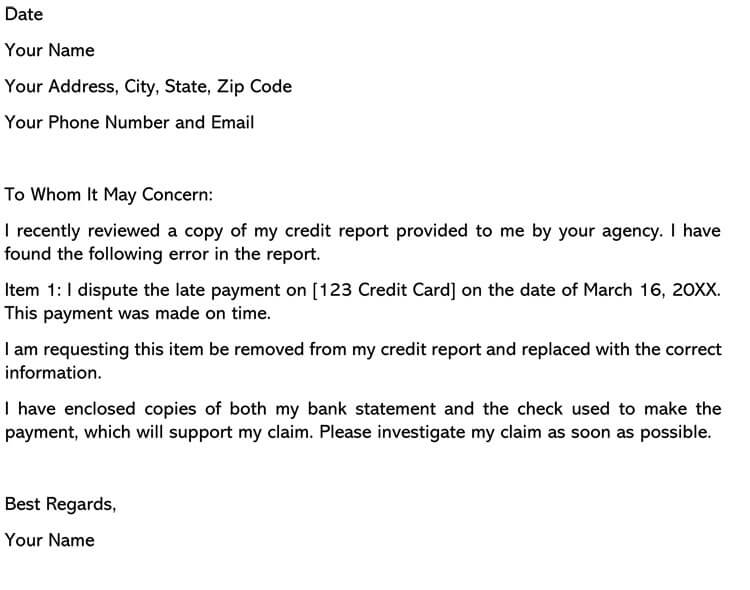
It can be frustrating when a credit report error isn’t fixed, even after you’ve gone through the dispute process. But don’t give up! You have additional options to explore, and knowing them can help you protect your credit and your financial well-being. Let’s delve into what you can do if your initial dispute is unsuccessful.
Options Available After Dispute Denial
If the credit bureau or the creditor rejects your dispute, you’re not entirely out of luck. There are several steps you can take to try and resolve the issue.
- Request a Reinvestigation: You can request that the credit bureau reinvestigate the disputed item again. Sometimes, a second look can uncover information missed the first time.
- File a Complaint with the Consumer Financial Protection Bureau (CFPB): The CFPB is a federal agency that can investigate complaints against credit bureaus and creditors. Filing a complaint with the CFPB can often trigger a more thorough review of your situation. You can file a complaint online through their website. The CFPB can compel the credit bureau or creditor to respond to your complaint and potentially take corrective action.
- Consider Legal Action: In some cases, if the error is significant and is causing you financial harm, you might want to consider consulting with an attorney who specializes in consumer law. They can advise you on your legal options and help you pursue a lawsuit if necessary.
- Submit a Statement to Your Credit Report: You can add a brief statement to your credit report explaining your side of the story. This statement will be included whenever a potential lender reviews your credit report. This can be useful for providing context, especially if the error is minor.
Requesting a Reinvestigation and Addressing Continued Negative Outcomes
Sometimes, the initial reinvestigation doesn’t resolve the issue. What should you do then? You have a couple of important options.
To request a reinvestigation, contact the credit bureau again, referencing your previous dispute and providing any new supporting documentation. Make sure to clearly state that you’re requesting a second look at the disputed item. Include any new evidence that supports your claim, such as copies of bills, payment records, or communication with the creditor.
If the reinvestigation yields the same negative outcome, don’t be discouraged. You can proceed with several strategies. First, review the credit bureau’s response carefully. They should provide a reason for their decision. If their reasoning seems inaccurate or incomplete, you can gather more supporting documentation. Consider seeking assistance from a credit counseling agency or consumer protection organization. They can review your case and offer advice. Additionally, you can add a brief statement to your credit report, explaining your side of the story. This statement can help potential lenders understand the situation.
For instance, imagine Sarah disputed a late payment reported on her credit report. After the initial investigation, the credit bureau sided with the creditor. Sarah then gathered her bank statements showing the payment cleared on time, sent this new evidence to the credit bureau, and requested a second review. Even if the second review also denies her request, she adds a statement to her report. This action helps potential lenders understand the situation, providing context and possibly influencing their lending decisions.
Additional Resources for Credit Report Disputes
Navigating credit report disputes can be tricky, so it’s good to have access to resources that can provide help. Here’s a list of organizations and websites that can offer assistance.
- The Consumer Financial Protection Bureau (CFPB): The CFPB offers a wealth of information on credit reports, disputes, and consumer rights. Their website also allows you to file complaints.
- The Federal Trade Commission (FTC): The FTC provides educational materials on credit, including information on how to dispute errors and protect yourself from fraud. They also offer resources on identity theft.
- AnnualCreditReport.com: This website, authorized by federal law, allows you to get a free copy of your credit report from each of the three major credit bureaus (Equifax, Experian, and TransUnion) once a year.
- Credit Counseling Agencies: Non-profit credit counseling agencies can provide guidance on credit management, debt, and disputing credit report errors. They often offer free or low-cost counseling services. Look for agencies accredited by the National Foundation for Credit Counseling (NFCC).
- Your State’s Attorney General’s Office: Many state attorney general offices have consumer protection divisions that can offer assistance with credit report disputes and other consumer issues. They may be able to mediate disputes or provide legal referrals.
- Legal Aid Societies: Legal Aid Societies provide free or low-cost legal assistance to low-income individuals and families. They can help with credit report disputes and other legal matters.
Closure

In essence, successfully disputing credit report errors is an active endeavor, requiring diligence, attention to detail, and persistence. You’ve now gained a practical understanding of how to navigate the credit dispute process, from the initial review of your reports to understanding your rights under the Fair Credit Reporting Act (FCRA). Remember that the process may take time, but the effort is worthwhile. Whether you’re dealing with a simple data entry error or a more complex case of identity theft, knowing your rights and following the steps Artikeld here will significantly increase your chances of achieving a positive outcome. Taking charge of your credit report not only safeguards your financial health but also empowers you to make informed decisions about your financial future.