How bonds work explained simply, isn’t as complicated as it seems. Think of them as loans you make to governments or companies. When you buy a bond, you’re essentially lending them money, and in return, they promise to pay you back the original amount (the face value) plus interest (the coupon) over a specific period. This seemingly simple agreement is the foundation of a massive financial market, and understanding it is key to making informed investment decisions. This guide will walk you through the ins and outs, making sure you understand the basics and more complex aspects of the bond market.
We’ll start by exploring how bonds function as a fundamental tool for borrowing and lending. This includes understanding the roles of the issuer (the borrower) and the investor (the lender), and what each party hopes to gain from the transaction. Then, we’ll dive into the different components that make up a bond, like its face value, coupon rate, and maturity date, and how these factors impact its overall worth. You’ll learn how coupon rates are determined, the difference between fixed and floating-rate bonds, and how external forces like interest rates and market conditions can sway bond prices. We’ll also unpack the different kinds of bonds available, from government and corporate bonds to municipal bonds, and how their distinct traits fit different investment goals. Finally, we’ll wrap up by looking at the risks involved in bond investing and how to keep your investments safe.
How do bonds function as a basic financial instrument for lending and borrowing money effectively?

Bonds are a fundamental building block of the financial world, facilitating the crucial exchange of capital between those who need it and those who have it. They represent a debt instrument, a promise to repay borrowed funds with interest over a specific period. This simple concept underpins a vast market, impacting everything from government spending to corporate expansion and individual investment strategies. Let’s delve into the mechanics of bonds, their role, and how they compare to other investment avenues.
The Fundamental Concept of a Bond: Purpose and Roles
A bond, at its core, is an “I owe you” note. It’s a formal agreement between a borrower (the issuer) and a lender (the investor). The issuer, which could be a government, a municipality, or a corporation, needs money. The investor, seeking a return on their capital, provides the funds. The bond specifies the amount borrowed (the principal or face value), the interest rate (the coupon rate), and the repayment date (the maturity date).
The issuer’s purpose is to raise capital without diluting ownership, unlike issuing stocks. This debt financing allows them to fund projects, operations, or acquisitions. For example, a company might issue bonds to build a new factory. The investor’s role is to lend money and receive a fixed income stream in the form of interest payments (coupons) over the bond’s life. At maturity, the investor receives the principal back.
Consider a hypothetical bond: a corporation issues a $1,000 bond with a 5% annual coupon rate, maturing in 10 years. The investor purchases the bond for $1,000. Each year, the investor receives $50 in interest (5% of $1,000). After 10 years, the investor receives the original $1,000 back. The bondholder’s return depends on the coupon rate and the market price of the bond, which can fluctuate. If interest rates rise, the bond’s market value may decrease; if interest rates fall, the bond’s value may increase. This dynamic interplay of interest rates and bond prices is a key aspect of bond investing.
Comparing Bonds and Other Investment Options: Risk and Return
Investing involves choosing where to allocate your money, and bonds are one of many options. Understanding the risk and return profiles of different investment choices is crucial.
| Investment Type | Risk Level | Potential Return | Key Characteristics |
|---|---|---|---|
| Bonds | Generally Lower (compared to stocks) | Moderate (fixed income) |
|
| Stocks | Generally Higher (compared to bonds) | Potentially High (capital appreciation and dividends) |
|
| Real Estate | Moderate to High (depending on the market) | Moderate to High (rental income and appreciation) |
|
| Cash/Cash Equivalents (e.g., savings accounts) | Very Low | Low (interest earned) |
|
Bonds typically offer lower risk and potentially lower returns compared to stocks. Stocks represent ownership in a company, so their value can fluctuate widely based on the company’s performance and market sentiment. Real estate, another option, can provide rental income and appreciation but carries its own risks, such as property management and market downturns. Cash equivalents, like savings accounts, offer safety and liquidity but typically provide returns that barely outpace inflation. Investors often diversify their portfolios across different asset classes, balancing risk and potential reward based on their individual financial goals and risk tolerance.
The Bond Issuance Process: The Issuer’s Perspective
Issuing a bond involves several key steps. The issuer, needing to raise capital, follows a structured process to bring the bond to market.
The initial step is to determine the bond’s terms. This includes:
- The principal amount to be raised.
- The coupon rate (interest rate). This is often determined by prevailing market interest rates, the issuer’s creditworthiness (assessed by credit rating agencies like Moody’s or Standard & Poor’s), and the bond’s maturity date. Higher-risk issuers typically offer higher coupon rates to attract investors.
- The maturity date (the date the principal will be repaid).
Next comes the underwriting process. Investment banks (underwriters) play a crucial role, assisting the issuer in pricing the bond, marketing it to investors, and facilitating the sale. The underwriter assesses the market demand for the bond and helps the issuer set a competitive interest rate.
Marketing the bond involves creating a prospectus, a detailed document outlining the bond’s terms, the issuer’s financial information, and the intended use of the funds. The underwriter then distributes the prospectus to potential investors. The bond may be sold through a public offering (available to all investors) or a private placement (sold to a select group of institutional investors). The underwriter’s fees are typically a percentage of the bond’s total value.
For example, a municipal government might issue bonds to finance a new school. They would work with an underwriter to determine the bond’s terms, considering the city’s credit rating, current interest rates, and the project’s funding needs. The bond would then be marketed to investors, and the proceeds would be used to build the school. This process, while complex, allows governments and corporations to access capital efficiently, fostering economic growth and infrastructure development.
What are the core components of a bond and how do these elements influence its overall value and attractiveness?

Bonds, at their heart, are straightforward financial instruments. Understanding their core components is crucial to grasping how they function and why they’re valued in the financial markets. These elements dictate a bond’s price, its yield, and ultimately, its appeal to investors.
Essential Bond Components
A bond’s characteristics define its value and risk profile. Several key features work in concert to determine its desirability in the market.
- Face Value (Par Value): This is the principal amount the issuer promises to repay the bondholder at maturity. Think of it as the original loan amount. For example, a bond might have a face value of $1,000. This is the amount the investor will receive back when the bond reaches its maturity date.
- Coupon Rate: This is the interest rate the issuer agrees to pay the bondholder, typically expressed as a percentage of the face value. It determines the periodic interest payments (coupons) the bondholder receives. For instance, a bond with a $1,000 face value and a 5% coupon rate will pay the bondholder $50 per year (5% of $1,000).
- Maturity Date: This is the date on which the bond’s principal (face value) is repaid to the bondholder. It’s the end of the bond’s life. The time until maturity significantly impacts a bond’s price; longer-term bonds are generally more sensitive to interest rate fluctuations. A bond might have a maturity date of 10 years from the issue date.
The face value, coupon rate, and maturity date are the fundamental building blocks of a bond’s structure. Changes in any of these will impact the overall value of the bond.
Coupon Rate Determination and Types
The coupon rate isn’t plucked from thin air. It’s determined by a variety of market forces and the issuer’s creditworthiness.
The coupon rate is influenced by several factors:
- Prevailing Interest Rates: The general level of interest rates in the market is a primary driver. If market interest rates are high, new bonds will need to offer higher coupon rates to attract investors. Conversely, if rates are low, coupon rates can be lower.
- Issuer’s Creditworthiness: A company or government’s credit rating, which reflects its ability to repay its debts, is another crucial factor. Issuers with higher credit ratings (lower risk of default) can typically offer lower coupon rates. Conversely, riskier issuers must offer higher coupon rates to compensate investors for the increased risk.
- Term to Maturity: Longer-term bonds generally carry higher coupon rates than shorter-term bonds to compensate investors for the increased risk associated with a longer investment horizon.
Bonds come in two main flavors concerning their coupon payments:
- Fixed-Rate Bonds: These bonds pay a fixed coupon rate throughout their life. The interest payments remain constant until maturity. They provide predictable income for investors. For example, a fixed-rate bond with a 5% coupon will always pay 5% of the face value each year, until the maturity date.
- Floating-Rate Bonds: These bonds have a coupon rate that adjusts periodically based on a benchmark interest rate, such as the London Interbank Offered Rate (LIBOR) or the Secured Overnight Financing Rate (SOFR). The coupon rate typically includes a spread over the benchmark rate. These bonds offer some protection against rising interest rates because their coupon payments increase when the benchmark rate rises.
The choice between fixed and floating-rate bonds depends on an investor’s view of future interest rate movements.
Factors Influencing Bond Prices
Bond prices are dynamic and change constantly in response to various market forces. Several factors significantly impact these prices.
The following factors influence bond prices:
- Interest Rate Changes: Bond prices and interest rates have an inverse relationship. When interest rates rise, bond prices generally fall, and vice versa. This is because newly issued bonds offer higher yields, making existing bonds with lower yields less attractive.
- Credit Ratings: Changes in a bond issuer’s credit rating can significantly impact its price. An upgrade in the credit rating typically leads to a price increase, as the bond becomes less risky. Conversely, a downgrade usually results in a price decrease.
- Market Conditions: Overall market sentiment and economic conditions play a role. During times of economic uncertainty or recession, investors may move towards safer assets like government bonds, driving their prices up. During periods of economic growth and inflation, bond prices may decline.
These factors interact in complex ways, constantly reshaping the bond market. For example, a sudden announcement by the Federal Reserve to increase interest rates will typically cause bond prices to decline, while a positive earnings report from the issuer could potentially increase the price of its bonds.
What are the various types of bonds available in the market and how do their specific characteristics cater to different investment goals?: How Bonds Work Explained Simply
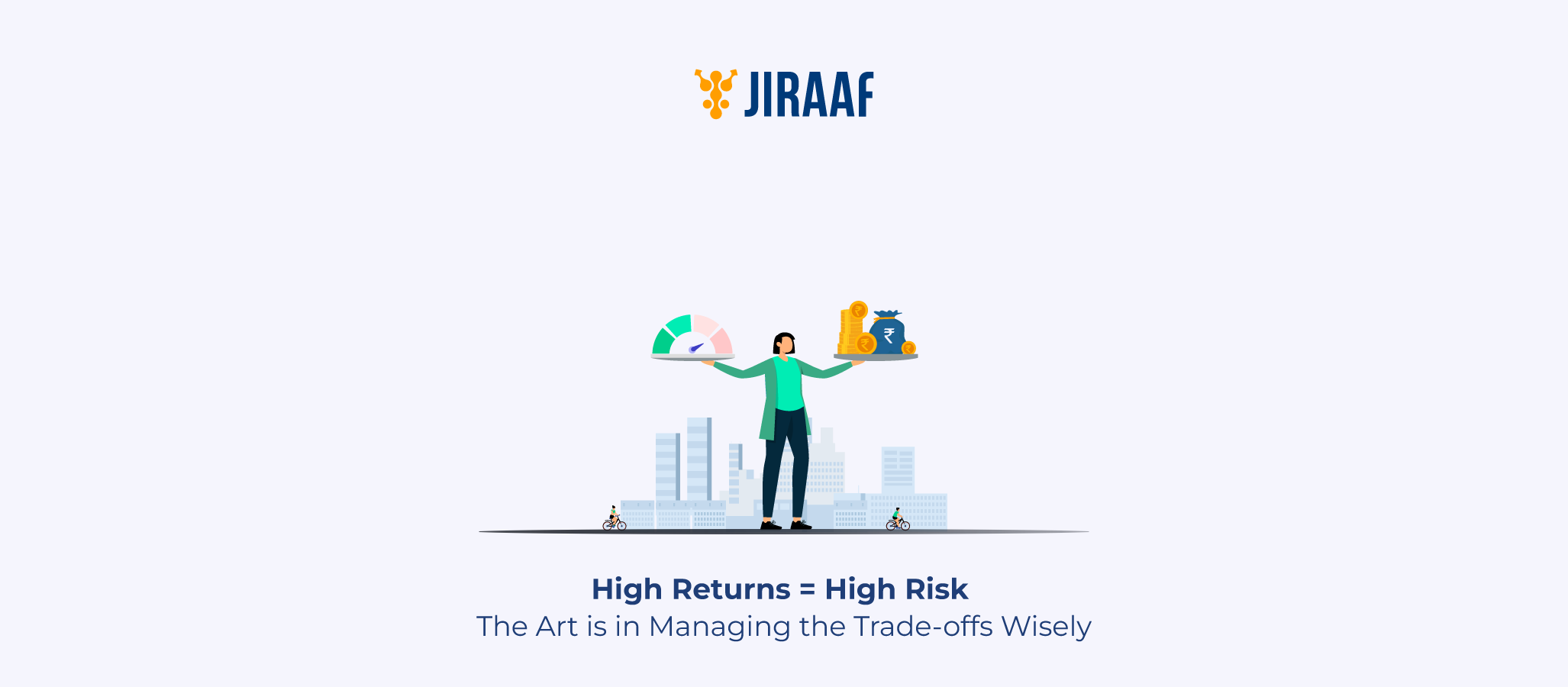
Bonds, much like snowflakes, come in a dazzling array of types, each crafted with its own unique characteristics. These differences are designed to appeal to investors with varying risk appetites and financial objectives. Understanding these distinctions is crucial for building a diversified and effective bond portfolio. Let’s delve into the major bond categories and their individual nuances.
Government Bonds, Corporate Bonds, and Municipal Bonds
The bond market offers a spectrum of options, each with its own risk profile and potential returns. The three main categories are government bonds, corporate bonds, and municipal bonds. These bonds differ primarily in their issuer, which influences their perceived risk and, consequently, their yield.
- Government Bonds: These bonds are issued by national governments. They are generally considered to be the safest type of bond because they are backed by the full faith and credit of the government. In the United States, Treasury bonds are a prime example. These bonds are often used as a benchmark for other bond yields. The risk associated with government bonds is typically low, though it’s not entirely absent; it primarily revolves around the potential for inflation or, in extreme cases, the government’s inability to meet its obligations (though this is exceedingly rare for developed nations). The yield on government bonds is usually lower than that of corporate or municipal bonds because of their lower risk profile.
- Corporate Bonds: Corporations issue these bonds to raise capital for various projects, such as expanding operations or funding research and development. Corporate bonds carry a higher risk than government bonds because the issuing company could face financial difficulties, leading to a default on the bond. The risk is directly related to the creditworthiness of the corporation, which is assessed by credit rating agencies like Standard & Poor’s, Moody’s, and Fitch Ratings. The yield on corporate bonds is generally higher than government bonds to compensate investors for the added risk. A well-established company with a strong financial history will typically issue bonds with lower yields than a smaller, less-established company.
- Municipal Bonds: These bonds are issued by state and local governments to finance public projects like schools, roads, and infrastructure improvements. One of the significant advantages of municipal bonds is that the interest earned is often exempt from federal income tax and, in some cases, state and local taxes, making them attractive to investors in high tax brackets. This tax advantage effectively increases the after-tax yield of the bond. However, the risk associated with municipal bonds can vary depending on the financial health of the issuing municipality. General obligation bonds are backed by the full faith and credit of the issuer, while revenue bonds are backed by the revenue generated by the project they finance (e.g., a toll road).
High-Yield Bonds (Junk Bonds) and Investment-Grade Bonds
A key distinction within the bond market relates to credit ratings, which categorize bonds based on their creditworthiness. This distinction leads to two main classifications: investment-grade bonds and high-yield bonds, often referred to as “junk bonds.”
- Investment-Grade Bonds: These bonds are issued by entities with a strong credit rating from recognized agencies. They are considered relatively safe investments, with a low probability of default. The interest rates offered on investment-grade bonds are typically lower than those on high-yield bonds, reflecting their lower risk profile. Investors seeking capital preservation and a steady income stream often favor investment-grade bonds. Bonds rated AAA to BBB- by Standard & Poor’s, or Aaa to Baa3 by Moody’s, fall into this category.
- High-Yield Bonds (Junk Bonds): High-yield bonds are issued by companies with lower credit ratings, indicating a higher risk of default. These bonds offer significantly higher yields than investment-grade bonds to compensate investors for the increased risk. They are attractive to investors seeking higher returns and who are willing to accept a greater level of risk. The credit ratings for these bonds are typically below BBB- (S&P) or Baa3 (Moody’s). The performance of high-yield bonds is often more closely correlated with the overall economic cycle than investment-grade bonds. For example, during economic downturns, the default rates of junk bonds tend to increase, and their prices fall.
Callable Bonds and Putable Bonds
Two less common, but important, bond features are callability and putability. These features give the issuer or the investor, respectively, certain options that can affect the bond’s value.
- Callable Bonds: A callable bond gives the issuer the right, but not the obligation, to redeem the bond before its maturity date, typically at a predetermined price (the call price). This is advantageous for the issuer if interest rates fall after the bond is issued. The issuer can call the existing bonds, replacing them with new bonds issued at the lower, prevailing interest rates, thereby reducing their borrowing costs. However, callable bonds present a risk to investors because the bond may be called when interest rates decline, forcing them to reinvest their money at a lower yield. The call price is usually set slightly above the bond’s face value.
- Putable Bonds: A putable bond gives the investor the right, but not the obligation, to sell the bond back to the issuer at a predetermined price (usually the face value) on specific dates before maturity. This feature provides investors with downside protection. If interest rates rise, the investor can put the bond back to the issuer and reinvest their money at a higher rate. Conversely, if the issuer’s creditworthiness declines, the investor can exercise the put option to avoid potential losses. Putable bonds offer investors more flexibility and potentially reduce their risk compared to non-putable bonds. The yield on a putable bond is typically lower than that of a similar non-putable bond because of the added benefit to the investor.
How do bond yields and interest rates relate to each other and what are the implications for bond investors in a fluctuating economic environment?

Understanding the relationship between bond yields and interest rates is crucial for anyone investing in bonds. These two elements are intrinsically linked, and their interplay significantly impacts bond prices and investor returns, especially in an ever-changing economic climate. Interest rate fluctuations can either enhance or diminish the value of bond holdings.
Bond yields and interest rates move in opposite directions. When interest rates rise, bond prices fall, and yields increase. Conversely, when interest rates decline, bond prices rise, and yields decrease. This inverse relationship stems from the fixed income nature of bonds. As prevailing interest rates in the market change, the relative attractiveness of existing bonds with their fixed coupon payments shifts. For instance, if interest rates increase, newly issued bonds will offer higher coupon payments, making older bonds with lower coupon rates less appealing, thus decreasing their market value.
Interest Rate Impact on Bond Prices
The impact of interest rate changes on bond prices can be significant. The sensitivity of a bond’s price to interest rate changes is measured by its duration. Bonds with longer maturities and lower coupon rates are generally more sensitive to interest rate fluctuations.
For example, consider two bonds: Bond A with a 5-year maturity and Bond B with a 30-year maturity, both with the same coupon rate. If interest rates increase by 1%, Bond B’s price will likely fall more than Bond A’s price. This is because the longer the maturity, the more the present value of future cash flows is affected by changes in the discount rate (interest rates). Investors should therefore carefully consider the maturity and coupon rate of a bond in relation to their investment horizon and expectations about future interest rate movements.
Bond Yield Calculations
Understanding various bond yield calculations is essential for evaluating bond investments. These calculations provide different perspectives on a bond’s return.
- Current Yield: This measures the annual income an investor receives relative to the bond’s current market price.
- Formula: Current Yield = (Annual Coupon Payment / Current Market Price) * 100
- Example: A bond with a $1,000 face value, a 5% coupon rate ($50 annual payment), and a current market price of $950 has a current yield of (50 / 950) * 100 = 5.26%.
- Yield to Maturity (YTM): This is the total return an investor can expect to receive if they hold the bond until maturity. It takes into account the bond’s current market price, face value, coupon rate, and time to maturity.
- Formula: YTM is a more complex calculation that often requires financial calculators or software, but it essentially solves for the discount rate that equates the present value of the bond’s cash flows (coupon payments and face value at maturity) to its current market price.
- Example: Calculating YTM requires specific bond details. Assume a bond with a $1,000 face value, an 8% coupon rate, a 5-year maturity, and a current market price of $1,050. The YTM would be lower than the coupon rate due to the premium paid. Using a financial calculator or software, the YTM can be determined.
- Yield to Call (YTC): This is the total return an investor can expect to receive if the bond is called (redeemed) by the issuer before its maturity date.
- Formula: Similar to YTM, YTC considers the bond’s current market price, face value, coupon rate, and the call price, as well as the time to the call date.
- Example: A bond with a $1,000 face value, a 6% coupon rate, callable in 3 years at $1,020, and currently trading at $1,030. The YTC calculation considers the call price instead of the face value at maturity, as well as the reduced time to receive the final payment.
Inflation’s Influence on Bond Returns
Inflation can significantly erode the real returns on bond investments. When inflation rises, the purchasing power of fixed coupon payments decreases. This is because the fixed income stream buys fewer goods and services.
Rising inflation rates often lead to higher interest rates as central banks attempt to combat inflation. This, in turn, can cause bond prices to fall, further reducing investor returns.
To mitigate the impact of inflation on bond investments, investors can employ several strategies:
- Investing in inflation-protected securities: Treasury Inflation-Protected Securities (TIPS) are designed to adjust their principal value with inflation, thus protecting investors from its erosive effects.
- Shortening the bond portfolio’s duration: Shorter-maturity bonds are less sensitive to interest rate increases, which often accompany rising inflation.
- Diversifying bond holdings: Spreading investments across different types of bonds and maturities can help to cushion against the negative effects of inflation and interest rate fluctuations.
- Considering real assets: Investing a portion of the portfolio in assets that tend to perform well during inflationary periods, such as real estate or commodities.
What are the key risks associated with investing in bonds and how can investors effectively manage these risks to protect their investments?

Investing in bonds, while often perceived as safer than stocks, is not without its perils. Understanding and mitigating these risks is crucial for preserving capital and achieving financial objectives. Several factors can erode bond values or diminish returns, requiring investors to be vigilant and proactive in their approach.
Primary Risks of Bond Investing
Bond investments are exposed to a variety of risks that can affect their value. It is essential to understand each of these risks to make informed decisions and protect your portfolio.
- Interest Rate Risk: This is perhaps the most significant risk. When interest rates rise, the value of existing bonds typically falls. This is because newly issued bonds offer higher yields, making older bonds with lower yields less attractive to investors. The longer the maturity of a bond, the more sensitive it is to interest rate fluctuations. For example, if you hold a 10-year bond and interest rates increase, the market value of your bond might decrease significantly.
- Credit Risk (or Default Risk): This risk arises from the possibility that the bond issuer will be unable to make interest payments or repay the principal at maturity. Credit risk is higher for bonds issued by companies or governments with weaker financial positions. Credit rating agencies like Standard & Poor’s, Moody’s, and Fitch Ratings assess the creditworthiness of bond issuers and assign ratings that reflect the likelihood of default. Bonds rated as “investment grade” (typically BBB- or higher) are considered less risky than “high-yield” or “junk” bonds (rated below BBB-).
- Inflation Risk: Inflation erodes the purchasing power of the interest payments and principal repayment. If inflation rises unexpectedly, the real return on a bond (the return after accounting for inflation) can be significantly lower than the nominal yield. For example, if a bond pays a 3% interest rate and inflation is 5%, the investor is actually losing purchasing power. Inflation-indexed bonds, like Treasury Inflation-Protected Securities (TIPS) in the United States, are designed to protect against inflation by adjusting the principal and interest payments based on changes in the inflation rate.
- Liquidity Risk: This risk relates to the ease with which a bond can be bought or sold in the market. Some bonds, particularly those issued by smaller companies or in less active markets, may be difficult to sell quickly without incurring a significant price discount. This can be a concern if an investor needs to raise cash urgently.
- Call Risk: Some bonds have a “call feature,” which allows the issuer to redeem the bonds before their maturity date, typically when interest rates have fallen. If a bond is called, the investor receives the principal back but loses the opportunity to continue earning the higher interest rate. This is more common with corporate bonds.
Strategies for Managing Bond Investment Risks
Mitigating bond investment risks involves a proactive approach to portfolio management. Several strategies can be employed to protect investments and optimize returns.
- Diversification: Spreading investments across a variety of bonds with different maturities, credit ratings, and issuers can reduce overall portfolio risk. Holding bonds from different sectors and geographical regions further diversifies the portfolio.
- Duration Management: Duration measures the sensitivity of a bond’s price to changes in interest rates. A portfolio manager can adjust the average duration of the bond portfolio to align with their interest rate outlook. If interest rates are expected to rise, a shorter duration portfolio (holding bonds with shorter maturities) can be beneficial, as these bonds are less sensitive to interest rate increases. Conversely, if interest rates are expected to fall, a longer duration portfolio can generate higher returns.
- Credit Rating Analysis: Carefully evaluating the credit ratings of bond issuers is essential. Investors should monitor credit rating changes and understand the implications. A downgrade in a bond’s credit rating often leads to a decrease in its price, as the perceived risk of default increases. It’s crucial to stay informed about the financial health of the issuers whose bonds you hold.
- Yield Curve Analysis: Analyzing the yield curve, which plots bond yields against their maturities, can help investors make informed decisions about the maturities of bonds to hold. A steep yield curve (where longer-term bonds have significantly higher yields than shorter-term bonds) might indicate expectations of rising inflation or economic growth.
- Inflation-Protected Securities: Consider investing in inflation-protected securities to mitigate inflation risk. These securities, like TIPS, provide a hedge against rising inflation.
Impact of Credit Ratings on Bond Prices and Monitoring Changes, How bonds work explained simply
Credit ratings serve as a crucial indicator of a bond’s creditworthiness and significantly influence its market price. Monitoring changes in these ratings is essential for managing bond investment risk.
Consider a hypothetical scenario: A company, “TechCorp,” issues a 10-year bond rated “A” by Standard & Poor’s. Initially, the bond is priced at par (face value) with a yield of 4%. Over time, TechCorp’s financial performance deteriorates due to increased competition and decreased profitability. As a result, Standard & Poor’s downgrades the bond to “BBB-,” which is the lowest investment-grade rating. This downgrade signals an increased risk of default.
Consequently, the market price of TechCorp’s bond will likely decline. Investors will demand a higher yield to compensate for the increased credit risk. If the yield rises to 5%, the bond’s price would fall below par. This price decline reflects the market’s assessment of the increased risk.
Monitoring credit ratings is therefore crucial. If an investor had been tracking TechCorp’s credit rating and anticipated the downgrade, they could have sold the bond before the price declined, thus minimizing losses. Conversely, if the rating agency upgrades the bond, the price will likely increase, offering potential capital gains.
Summary

In essence, bonds offer a way to participate in the financial markets with varying levels of risk and reward. They are a crucial element of a well-rounded investment strategy. By understanding how they work, you can make more informed choices, whether you’re a seasoned investor or just starting out. You’ve now got a solid grasp of what bonds are, how they work, and the factors that influence their value. Now, go forth and navigate the bond market with confidence, armed with the knowledge to make smart, informed investment decisions!