How does property tax work? It’s a question many homeowners ponder, and the answer involves a fascinating interplay of assessments, rates, and local services. Property taxes, a cornerstone of municipal and county finances, might seem complex at first glance, but understanding them is key to being an informed homeowner. We’ll embark on a journey through the mechanics of property tax, breaking down each element in a clear and accessible way, and discover the importance of how property tax revenue is used.
From the initial assessment of your property’s value to the allocation of funds for schools and infrastructure, we’ll examine the process step by step. We’ll look at how your property’s value is determined, the role of tax rates, and the impact of exemptions and credits. You’ll learn how different jurisdictions calculate property taxes, giving you a wider understanding of the process. Furthermore, we’ll discuss the crucial role property taxes play in funding essential public services and the factors that influence the amount you pay.
What is the fundamental process by which property taxes are calculated for residential properties?
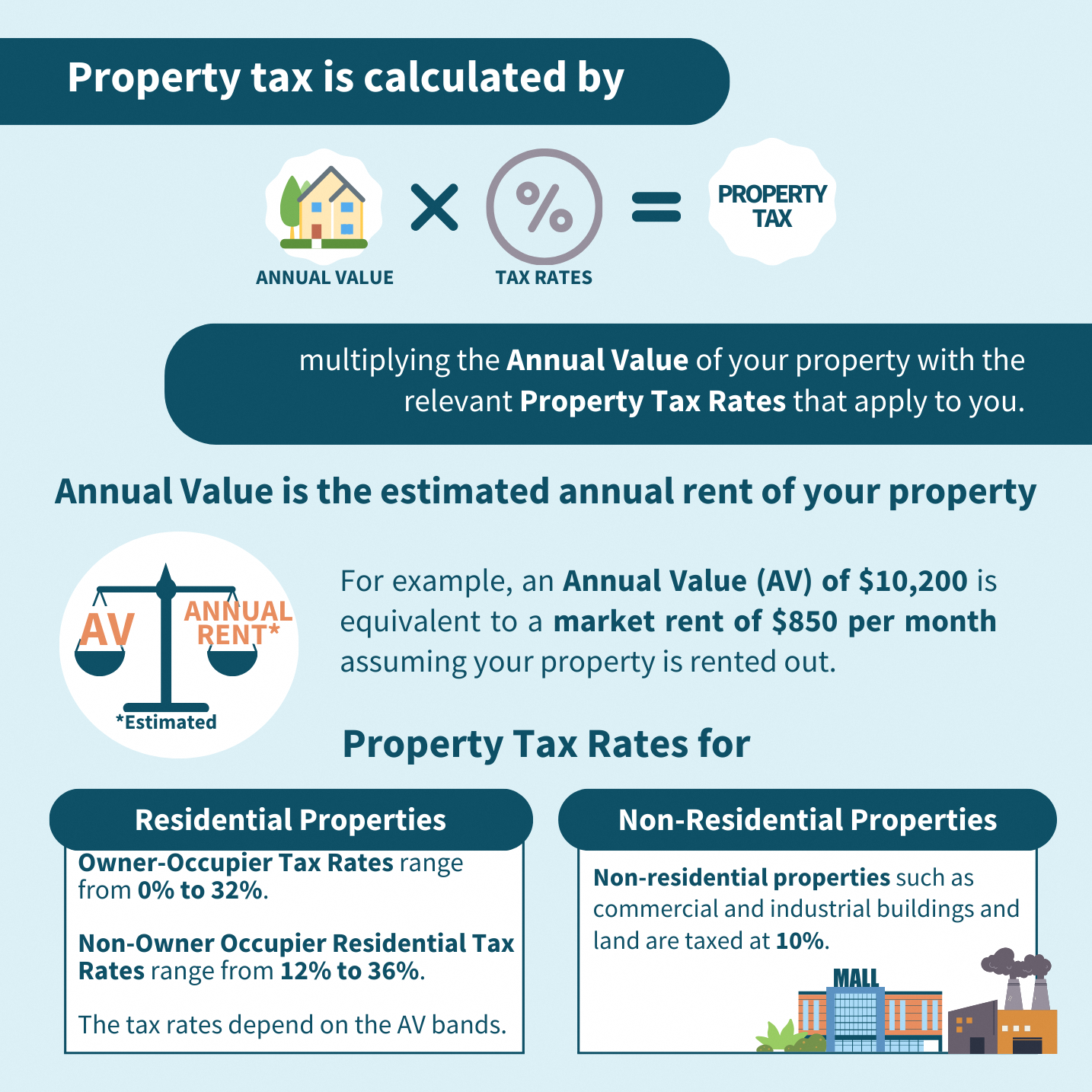
Property taxes are a crucial source of revenue for local governments, funding essential services like schools, infrastructure, and public safety. Understanding how these taxes are calculated is key to grasping their impact on homeowners and the broader community. The process, while seemingly complex, can be broken down into a series of fundamental steps.
Foundational Steps in Property Tax Calculation
The calculation of property taxes involves several key stages, each contributing to the final amount owed. This process begins with assessing the value of a property and culminates in the application of a tax rate.
- Property Assessment: This is the initial step, determining the value of a property. Local government assessors, often referred to as tax assessors, are responsible for this task. They use various methods to estimate the fair market value of a property.
- Determining Assessed Value: The assessed value is typically a percentage of the property’s fair market value. This percentage, known as the assessment ratio, varies by jurisdiction.
- Calculating Taxable Value: This involves adjusting the assessed value by subtracting any applicable exemptions or credits. Exemptions can be based on age, income, or other factors.
- Applying the Tax Rate: The tax rate, expressed as a percentage or a rate per $1,000 of assessed value, is then applied to the taxable value to determine the property tax liability.
Assessors employ different methods to determine property values. These methods include:
- Market Approach: This method compares the property to similar properties that have recently sold in the same area.
- Cost Approach: This method estimates the cost to replace the property, including the land and improvements, minus any depreciation.
- Income Approach: This method is primarily used for income-generating properties and considers the potential income the property could generate.
Detailed Walkthrough of a Hypothetical Property Tax Calculation
To illustrate the process, let’s consider a hypothetical property located in a fictional jurisdiction. This example will show how each step contributes to the final tax bill.
Suppose a residential property has a fair market value of $400,000. The jurisdiction uses an assessment ratio of 80%. There is also a homestead exemption of $25,000. The tax rate is 1.25%.
- Step 1: Determine the Assessed Value:
Fair Market Value: $400,000
Assessment Ratio: 80%
Assessed Value = $400,000 * 0.80 = $320,000 - Step 2: Calculate the Taxable Value:
Assessed Value: $320,000
Homestead Exemption: $25,000
Taxable Value = $320,000 – $25,000 = $295,000 - Step 3: Calculate the Property Tax:
Taxable Value: $295,000
Tax Rate: 1.25% (or 0.0125)
Property Tax = $295,000 * 0.0125 = $3,687.50
In this example, the property owner would owe $3,687.50 in property taxes. This amount would be used to fund local services and infrastructure.
Variations in Property Tax Calculation Across Jurisdictions
Property tax calculation methods and rates vary significantly across different jurisdictions. These differences can stem from variations in assessment methodologies, tax rates, and available exemptions. Understanding these differences is crucial for homeowners and potential homebuyers. The following table provides a comparison of property tax calculation methods in three distinct regions.
| Feature | Region A | Region B | Region C |
|---|---|---|---|
| Assessment Method | Mass Appraisal (using sales comparison) | Individual Appraisals | Combination of Sales Comparison and Cost Approach |
| Assessment Ratio | 100% of Fair Market Value | 75% of Fair Market Value | 90% of Fair Market Value |
| Tax Rate | 1.5% | 2.0% | 1.0% |
| Exemptions | Homestead exemption: $50,000 | Senior citizen exemption: $10,000 | No general exemptions |
| Example: Property Value $500,000 | Assessed Value: $500,000; Taxable Value: $450,000; Property Tax: $6,750 | Assessed Value: $375,000; Taxable Value: $365,000; Property Tax: $7,300 | Assessed Value: $450,000; Taxable Value: $450,000; Property Tax: $4,500 |
This table shows how different assessment ratios, tax rates, and exemption policies can significantly affect the property tax liability of a homeowner, even with similar property values.
How do local governments utilize the revenue generated from property taxes to fund essential public services?
Property taxes are the lifeblood of local government funding, providing the financial resources needed to operate and maintain essential services that directly impact residents’ daily lives. These taxes are not just a collection of money; they’re a critical investment in the community’s well-being, supporting everything from schools and emergency services to infrastructure and public spaces. Understanding how this revenue is utilized is crucial for residents to appreciate the value they receive for their tax dollars.
Public Services Financed by Property Tax Revenue
Local governments rely heavily on property tax revenue to fund a wide array of public services. These services are vital for maintaining a functioning and thriving community.
Property tax revenue is typically allocated to:
- Education: A significant portion of property tax revenue is dedicated to funding public schools. This includes teacher salaries, educational materials, school maintenance, and extracurricular activities. The amount allocated can vary significantly based on the size of the school district, the number of students, and the specific educational programs offered. For example, a wealthy district might allocate a larger portion of its property tax revenue to advanced programs and smaller class sizes, while a less affluent district may struggle to provide basic resources.
- Police and Fire Departments: Public safety is a core responsibility of local governments, and property taxes provide the financial backing for police and fire departments. This funding covers salaries for officers and firefighters, equipment purchases (vehicles, protective gear, etc.), training, and the maintenance of fire stations and police precincts. Adequate funding ensures the community’s safety and well-being, with sufficient staffing and resources to respond to emergencies effectively.
- Infrastructure Projects: Property taxes also contribute to the maintenance and improvement of essential infrastructure, such as roads, bridges, public transportation, and water and sewer systems. These projects can range from routine maintenance, like filling potholes and repairing sidewalks, to large-scale construction projects, like building new roads or upgrading water treatment facilities. Good infrastructure supports economic activity and enhances the quality of life for residents.
- Parks and Recreation: Local parks, libraries, community centers, and recreational programs often receive funding from property taxes. This funding supports park maintenance, library operations, recreational program offerings, and the upkeep of community facilities. These services provide opportunities for recreation, social interaction, and personal enrichment, contributing to a vibrant community.
- Other Essential Services: Property taxes may also fund other essential services, such as public health departments, social services, and waste management. These services are critical for public health, helping residents in need, and ensuring a clean and safe environment. The specific allocation of funds can vary based on the priorities of the local government and the needs of the community.
Relationship Between Property Tax Revenue and Service Quality
The amount of property tax revenue collected directly impacts the quality of public services. Areas with higher property values and tax rates often have more resources available, allowing for better-funded services.
For instance:
- Higher Tax Revenue: Communities with higher property tax revenue often have more resources to invest in schools, leading to better teacher-to-student ratios, more advanced programs, and updated facilities. Police and fire departments can be better staffed and equipped, improving response times and public safety. Infrastructure projects can be completed more efficiently, leading to better-maintained roads, parks, and public spaces.
- Lower Tax Revenue: Conversely, areas with lower property tax revenue may face challenges in funding essential services. Schools might struggle with budget cuts, larger class sizes, and outdated resources. Police and fire departments may experience staffing shortages or delays in equipment upgrades. Infrastructure maintenance might be deferred, leading to deteriorating roads and public facilities.
This relationship highlights the importance of property tax revenue for maintaining and improving the quality of life in a community. The allocation of these funds reflects the priorities of the local government and the needs of its residents.
Budget Allocation Process for Property Tax Revenue
The process by which property tax revenue is allocated involves several key steps, ensuring that funds are distributed to various public services.
Here’s a breakdown of the typical budget allocation process:
- Assessment: Local government assessors determine the taxable value of each property within the jurisdiction. This value, often based on market value, is the foundation for calculating property taxes.
- Tax Rate Setting: The local government, often through a city council or board of supervisors, sets the property tax rate. This rate, expressed as a percentage or a dollar amount per assessed value, determines how much property owners will pay in taxes.
- Budget Planning: Local government departments and agencies submit budget requests, outlining their funding needs for the upcoming fiscal year. These requests are based on the anticipated costs of providing their respective services.
- Budget Review and Approval: The local government reviews the budget requests, considering the available property tax revenue and other sources of funding. Public hearings may be held to gather input from residents. The final budget is then approved, allocating funds to various departments and services.
- Tax Collection: The local government collects property taxes from property owners. These funds are then deposited into the local government’s general fund or specific designated funds.
- Disbursement: The allocated funds are disbursed to various departments and agencies according to the approved budget. These funds are used to pay for salaries, operating expenses, capital projects, and other costs associated with providing public services.
- Monitoring and Reporting: The local government monitors the budget throughout the fiscal year, tracking expenditures and revenue. Regular reports are often made available to the public, providing transparency into how property tax revenue is being used.
This process directly influences the availability of resources for public services. For example, a larger property tax base, combined with a higher tax rate, generates more revenue, allowing the local government to allocate more funds to schools, police, infrastructure, and other services. Conversely, a smaller tax base or lower tax rates may limit the resources available, potentially leading to budget cuts and reduced service levels. The efficiency and transparency of this process are critical for ensuring that property tax revenue is used effectively and equitably to benefit the community.
What are the common types of property tax exemptions and credits available to homeowners, and how do they work?
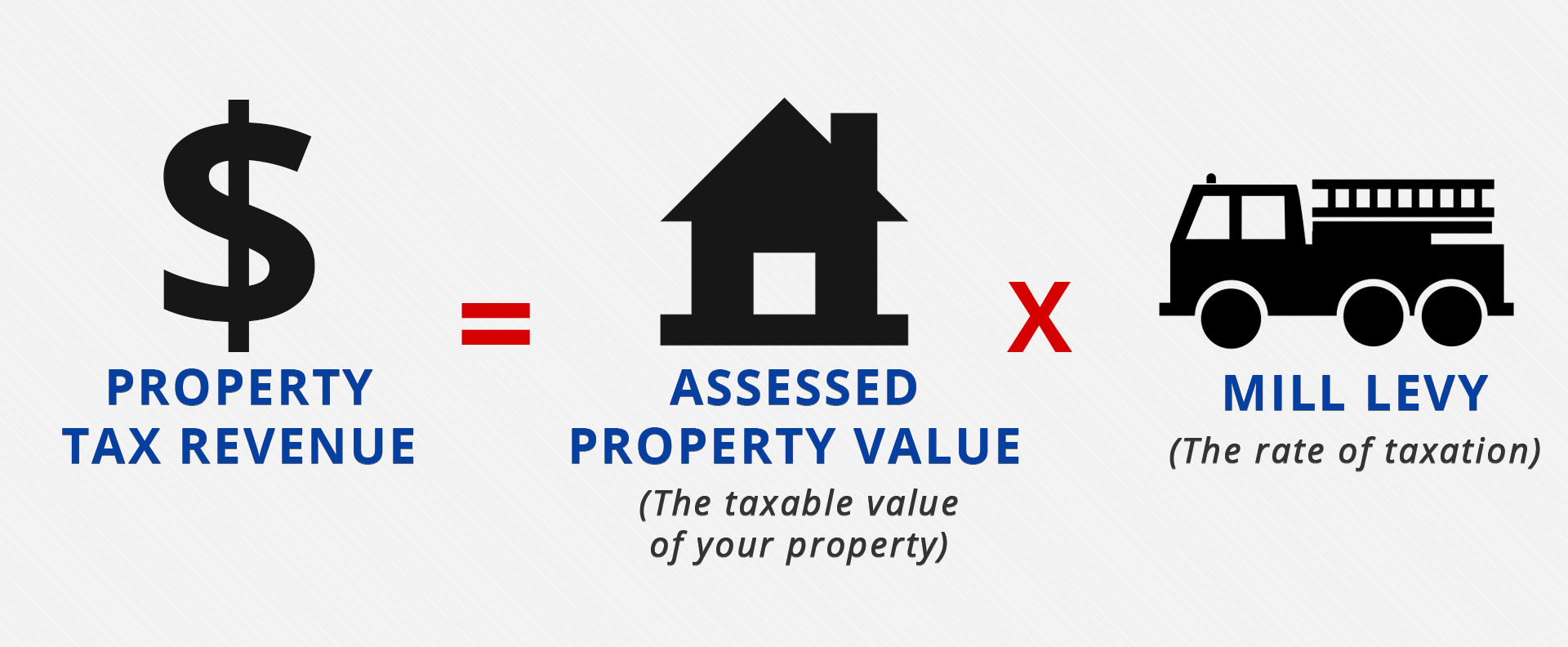
Navigating property taxes can feel overwhelming, but understanding the available exemptions and credits can significantly reduce your tax burden. These mechanisms are designed to provide financial relief to specific groups and circumstances, making homeownership more affordable and equitable. They function by either reducing the assessed value of your property (exemptions) or directly lowering the amount you owe in taxes (credits). Knowing what’s available and how to apply is crucial for every homeowner.
Common Property Tax Exemptions
Property tax exemptions are designed to reduce the taxable value of your property, leading to lower tax bills. Several exemptions are frequently offered, each with its own set of eligibility requirements.
- Senior Citizen Exemptions: These exemptions are commonly available to homeowners who are over a certain age, often 65 or older. The specific age and the amount of the exemption vary by location. To qualify, you typically need to meet age requirements and often reside in the property as your primary residence. Some jurisdictions also have income limitations. The benefit is a reduction in the assessed value, leading to lower property taxes. For instance, a senior citizen in a specific county might have their assessed value reduced by $10,000, saving them a significant amount annually.
- Veterans Exemptions: Veterans, especially those with disabilities, are often eligible for property tax exemptions. The criteria vary, but they often depend on the veteran’s service history, disability rating (as determined by the Department of Veterans Affairs), and whether the property is their primary residence. The exemption amount can range from a set dollar amount to a percentage reduction in the property’s assessed value. The impact is a lower property tax bill. For example, a disabled veteran might receive an exemption reducing their assessed value by $15,000, or a total tax bill reduction of hundreds of dollars annually, depending on the local tax rate.
- Low-Income Homeowner Exemptions: These exemptions aim to assist homeowners with limited financial resources. Eligibility is generally based on income and sometimes on the value of the property. There are often specific income thresholds that applicants must not exceed. The exemption can take the form of a reduction in the assessed value, leading to lower property taxes. The savings can be substantial, particularly for homeowners on fixed incomes. For example, a low-income homeowner might receive an exemption that reduces their property taxes by a percentage, offering significant relief from their tax obligations.
- Homestead Exemptions: These are available to homeowners who reside in their property as their primary residence. The exemption reduces the taxable value of the home, which results in lower property taxes. Many states and localities offer homestead exemptions to all homeowners, providing a base level of tax relief. The benefits include lower property tax bills, offering financial relief for those who live in the property.
Property Tax Credits Explained
Property tax credits directly reduce the amount of property taxes owed. Unlike exemptions, which lower the assessed value, credits provide a dollar-for-dollar reduction in the tax bill. The types of credits and their application processes vary depending on the jurisdiction.
- Circuit Breaker Credits: These credits are designed to protect homeowners, particularly seniors and low-income individuals, from excessive property tax burdens. They are often triggered when property taxes exceed a certain percentage of the homeowner’s income. The credit is calculated based on the difference between the actual taxes paid and the predetermined percentage of income. The impact is a direct reduction in the amount of taxes owed, often provided as a refund or a credit applied to the tax bill. For example, a homeowner with a low income and high property taxes might receive a credit that reduces their tax bill by several hundred dollars, making their housing costs more manageable.
- Disaster Relief Credits: In the event of a natural disaster, homeowners may be eligible for property tax credits. These credits can help alleviate the financial strain of repairing or rebuilding a home damaged by a disaster. The credit amount and eligibility criteria depend on the specific disaster and the regulations of the local government. The benefit is a direct reduction in the amount of taxes owed, helping homeowners recover from the disaster.
- Energy Efficiency Credits: Some jurisdictions offer credits for homeowners who make energy-efficient improvements to their homes, such as installing solar panels or upgrading insulation. These credits are designed to encourage energy conservation and reduce carbon emissions. The credit amount is often based on the cost of the improvements. The impact is a lower property tax bill, incentivizing homeowners to invest in energy-efficient upgrades.
Comparison of Property Tax Exemptions and Credits
Here is a table that provides a side-by-side comparison of various property tax exemptions and credits, highlighting their key features:
| Exemption/Credit Type | Eligibility Requirements | Benefits | Application Process |
|---|---|---|---|
| Senior Citizen Exemption | Age (e.g., 65+), primary residence, income limitations (may vary). | Reduced assessed value, lower property tax bill. | Application with local tax assessor, proof of age, residency, and income. |
| Veterans Exemption | Veteran status, service history, disability rating (if applicable), primary residence. | Reduced assessed value or a set dollar amount, lower property tax bill. | Application with local tax assessor, providing documentation of service and disability. |
| Low-Income Homeowner Exemption | Income below a specific threshold, primary residence. | Reduced assessed value, lower property tax bill. | Application with local tax assessor, proof of income, and residency. |
| Circuit Breaker Credit | Income below a certain threshold, property taxes exceeding a percentage of income. | Direct reduction in the property tax bill, often a refund. | Application with local tax assessor, providing income and property tax information. |
| Energy Efficiency Credit | Installation of approved energy-efficient improvements (e.g., solar panels). | Direct reduction in the property tax bill, based on the cost of improvements. | Application with local tax assessor, providing documentation of improvements. |
What recourse options are available to property owners who believe their property has been unfairly assessed?: How Does Property Tax Work

It’s frustrating to receive a property tax bill that feels off, but thankfully, there are avenues for homeowners to challenge an assessment they believe is incorrect. This section will walk you through the appeal process, the role of review boards, and how to build a strong case to potentially lower your tax burden.
Appealing a Property Tax Assessment
The process for appealing a property tax assessment is generally standardized, though specific details may vary slightly depending on your local jurisdiction. Understanding these steps is crucial for a successful appeal.
- Review Your Assessment Notice: Carefully examine the notice you receive from the assessor’s office. Pay close attention to the assessed value of your property, the property description, and any factors used to determine the value. Compare it to recent sales data of similar properties in your area.
- Gather Evidence: This is the most critical step. Collect documentation that supports your claim that the assessment is too high. This might include:
- Comparable Sales Data: Obtain recent sales data for properties similar to yours in terms of size, location, condition, and features. Look for sales within the past six to twelve months. Real estate websites, local MLS (Multiple Listing Service) data, and county records can be helpful sources.
- Property Condition Reports: If your property has significant issues (e.g., structural problems, foundation cracks, roof damage), obtain professional reports from qualified inspectors or contractors.
- Appraisal: Consider commissioning an independent appraisal from a certified appraiser. This can provide a professional opinion of your property’s fair market value.
- Photos: Take clear photographs of any property defects or issues that impact its value.
- File an Appeal: The assessment notice will typically include instructions on how to file an appeal, including the deadline. Deadlines are strict, so make sure to file on time. You will usually need to submit a written appeal form, along with any supporting documentation. The form will require you to state the reasons why you believe the assessment is incorrect and the value you believe your property should be assessed at.
- Attend a Hearing (if required): Depending on your local jurisdiction, you may be required to attend a hearing before the assessment review board. Prepare to present your case and answer questions from the board members.
- Receive a Decision: After reviewing your appeal and any evidence, the assessment review board will issue a decision. You will be notified of the outcome, which may result in a reduction of your assessed value, no change, or an increase.
The Role of the Assessment Review Board
Assessment review boards, or similar bodies, play a crucial role in resolving property tax disputes. They act as an impartial third party to evaluate appeals and make decisions based on the evidence presented.
The assessment review board’s primary responsibility is to review the information presented by both the property owner and the assessor’s office. They will carefully consider the evidence and arguments, ensuring fairness and consistency in the assessment process. Their decisions are generally based on the following:
- Review of Evidence: The board examines the documentation submitted by the property owner and the assessor’s office. This includes sales data, appraisals, property condition reports, and any other relevant information.
- Hearing Testimony: If a hearing is held, the board listens to the testimony of the property owner and the assessor’s representatives. They may ask questions to clarify points or gather additional information.
- Application of Assessment Standards: The board applies established assessment standards and guidelines to determine the fair market value of the property. This ensures that assessments are consistent and equitable across all properties.
- Decision-Making: Based on the evidence and assessment standards, the board makes a decision regarding the appeal. They may uphold the original assessment, reduce the assessed value, or, in rare cases, increase it.
Preparing and Presenting a Successful Property Tax Appeal
Building a strong case is essential for increasing your chances of a successful property tax appeal. Following these steps can help you prepare and present a compelling argument.
- Understand the Basis for Your Appeal: Clearly identify the reasons why you believe the assessment is incorrect. Common reasons include:
- Overvaluation: The assessed value is higher than the fair market value.
- Unequal Assessment: Your property is assessed at a higher rate than comparable properties.
- Errors in Property Description: The assessor has made errors in the property description, such as the size, features, or condition.
- Gather Comprehensive Evidence: Compile all the necessary documentation to support your claim. This should include comparable sales data, property condition reports, and any other relevant evidence.
- Organize Your Evidence: Present your evidence in a clear and organized manner. Create a binder or folder with labeled sections for each type of document.
- Prepare a Written Statement: Write a concise and persuasive statement explaining why you believe the assessment is incorrect. Clearly state the value you believe your property should be assessed at.
- Present Your Case Effectively: If you attend a hearing, be prepared to present your case clearly and confidently. Be respectful to the board members and answer their questions thoroughly.
- Start by introducing yourself and the property.
- Briefly explain the basis for your appeal.
- Present your evidence in a logical order.
- Summarize your arguments and the desired outcome.
- Be Persistent: If your initial appeal is denied, you may have the option to appeal to a higher authority, such as a state tax commission or court. Follow the appropriate procedures and deadlines for further appeals.
How do changes in property values influence property tax bills, and what are the implications for homeowners?
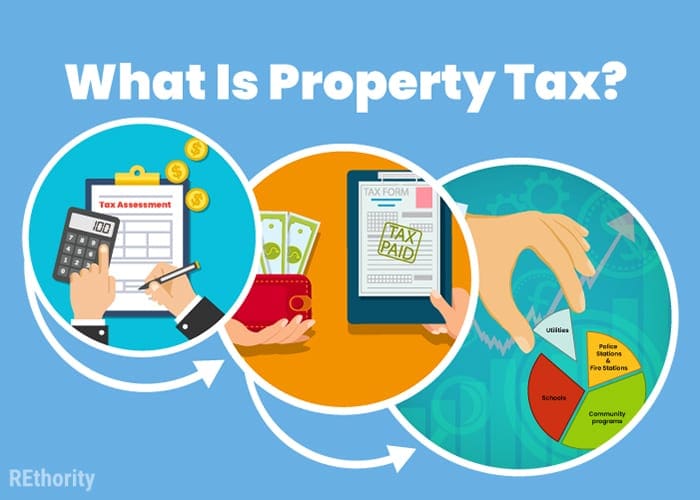
Property values are dynamic, constantly fluctuating based on market conditions, economic factors, and the specific characteristics of a property. These fluctuations have a direct and significant impact on property tax bills, affecting homeowners’ financial obligations and influencing the broader housing market. Understanding this relationship is crucial for homeowners to effectively manage their finances and make informed decisions.
Impact of Property Value Changes on Assessed Value and Tax Bills
The assessed value of a property, which is the basis for calculating property taxes, is directly linked to its market value. When property values increase, the assessed value typically rises as well, leading to higher tax bills. Conversely, if property values decrease, the assessed value usually follows suit, resulting in lower tax bills.
Several factors drive these changes in property values:
- Market Conditions: Overall economic health, interest rates, and the demand for housing in a particular area significantly influence property values. A strong economy and low-interest rates often lead to rising property values, while economic downturns can cause values to decline.
- Local Economic Factors: Job growth, infrastructure development, and the quality of schools and public services in a specific location can impact property values. Areas with robust job markets and desirable amenities tend to see property values increase.
- Property-Specific Characteristics: The condition of the property, its size, location, and any improvements made (like renovations) can affect its value. Properties in prime locations or with desirable features typically command higher values.
- Comparable Sales: Recent sales of similar properties in the same area serve as a benchmark for determining a property’s value. When comparable properties sell for higher prices, it can drive up the assessed value of nearby properties.
Determination and Interaction of Tax Rates
The “tax rate” is a percentage or a rate per unit of assessed value (often expressed as a mill rate) used to calculate the property tax liability. This rate is determined by local governments to fund public services like schools, police, fire departments, and infrastructure projects. The tax rate is multiplied by the assessed value of a property to arrive at the annual property tax bill.
A mill rate is a common way to express the tax rate, where one mill equals $1 of tax for every $1,000 of assessed value. For instance, if a property is assessed at $200,000 and the mill rate is 15 mills, the property tax calculation is as follows:
($200,000 / $1,000) * 15 = $3,000
Therefore, the annual property tax bill would be $3,000.
The tax rate can also change independently of the assessed value. Local governments may adjust the tax rate to meet their budgetary needs. This means that even if a property’s assessed value remains the same, the tax bill can increase or decrease if the tax rate changes.
Financial Implications for Homeowners
The impact of changing property values on homeowners’ finances can be substantial. Rising property values can lead to increased tax bills, potentially making it more difficult for homeowners to afford their homes. Conversely, falling property values can decrease tax bills, offering some financial relief, but also potentially reducing the homeowner’s equity in the property.
Rising Property Values: Increased assessed value leads to higher property taxes. This can strain homeowners’ budgets, potentially leading to mortgage payment difficulties. For example, if a homeowner’s property value increases significantly, and the tax rate remains constant, their property tax bill will increase proportionally. This could force homeowners to cut back on other expenses or consider refinancing options.
Falling Property Values: Decreased assessed value leads to lower property taxes, providing some financial relief. However, a decline in property value can also reduce the homeowner’s equity, making it more challenging to refinance or sell the property. In a scenario where property values decline significantly, homeowners may find themselves “underwater” on their mortgage, owing more than the property is worth. This can limit their options and impact their financial flexibility.
The overall housing market is also affected. Rapidly increasing property values can lead to affordability issues and slow down home sales. Conversely, declining property values can create uncertainty and lead to a decrease in construction and investment in the housing sector.
What are the differences between property taxes and other forms of taxation, such as income tax or sales tax?
Let’s explore how property taxes differ from other common types of taxes, specifically income and sales taxes. Understanding these differences is crucial for comprehending how local, state, and federal governments generate revenue and how these taxes affect individuals and businesses. The way each tax is calculated, where the money comes from, and what it’s used for varies significantly.
Comparing Property Taxes and Income Taxes
Income taxes and property taxes, while both vital sources of government revenue, operate on fundamentally different principles. They target different aspects of an individual’s or entity’s financial standing.
The primary differences between property taxes and income taxes can be summarized as follows:
- Tax Base: Income tax is levied on an individual’s or entity’s earnings, including wages, salaries, profits, and investment income. Property tax is based on the assessed value of real estate, such as land and buildings.
- Calculation Method: Income tax is typically calculated using a progressive tax system, where higher earners pay a higher percentage of their income in taxes. Property tax is calculated by multiplying the assessed value of a property by the local tax rate.
- Revenue Source: Income tax revenue primarily comes from individuals and businesses that generate income. Property tax revenue comes from property owners within a specific jurisdiction.
- Intended Purpose: Income tax funds a wide range of government services, including social security, healthcare, defense, and infrastructure. Property tax primarily funds local government services, such as schools, police and fire departments, and local infrastructure projects.
- Examples:
- Income Tax: A person earning $75,000 annually might pay 22% of their taxable income in federal income tax.
- Property Tax: A homeowner with a property assessed at $300,000 in a jurisdiction with a 1.5% tax rate would pay $4,500 in annual property taxes.
Comparing Property Taxes and Sales Taxes
Sales taxes and property taxes are also quite distinct. They are applied at different points in the economic cycle and impact different segments of the population in various ways.
Here’s a breakdown of the key differences:
- Application: Sales tax is a consumption tax applied to the purchase of goods and services at the point of sale. Property tax is an annual tax on the ownership of real estate.
- Goods and Services Covered: Sales tax applies to a wide range of goods and services, such as retail items, restaurant meals, and sometimes specific services. Property tax applies solely to real property.
- Impact on Different Segments: Sales taxes can disproportionately affect lower-income individuals, as a larger percentage of their income is spent on taxable goods and services. Property taxes affect homeowners, regardless of their income level, based on the value of their property.
- Tax Rate: Sales tax rates are typically a percentage of the purchase price, and rates can vary by state and locality. Property tax rates are applied to the assessed value of the property and can also vary widely depending on the jurisdiction.
- Revenue Distribution: Sales tax revenue is often used to fund state and local government services, similar to property tax. The specific allocation of funds depends on the jurisdiction.
- Examples:
- Sales Tax: A shopper purchasing a new television for $1,000 in a state with a 6% sales tax would pay an additional $60 in sales tax.
- Property Tax: A commercial property owner with a building assessed at $1,000,000 and a tax rate of 2% would pay $20,000 annually in property taxes.
Tax Comparison Table
Here is a table summarizing the key differences between property taxes, income taxes, and sales taxes:
| Tax Type | Property Tax | Income Tax | Sales Tax |
|---|---|---|---|
| Tax Base | Assessed value of real property | Earnings (wages, salaries, profits, investment income) | Purchase price of goods and services |
| Tax Rate | Local tax rate applied to assessed value (e.g., 1.5%) | Progressive (higher earners pay a higher percentage) | Percentage of purchase price (varies by location, e.g., 6%) |
| Revenue Distribution | Primarily local government services (schools, police, infrastructure) | Wide range of government services (federal, state, and local) | State and local government services (roads, schools, etc.) |
| Example | A home assessed at $400,000 with a 1.25% tax rate: $5,000 tax bill. | An individual earning $80,000: tax rate varies based on tax bracket. | A purchase of $50 with a 7% sales tax: $3.50 sales tax. |
What is the history of property taxes, and how have they evolved over time?
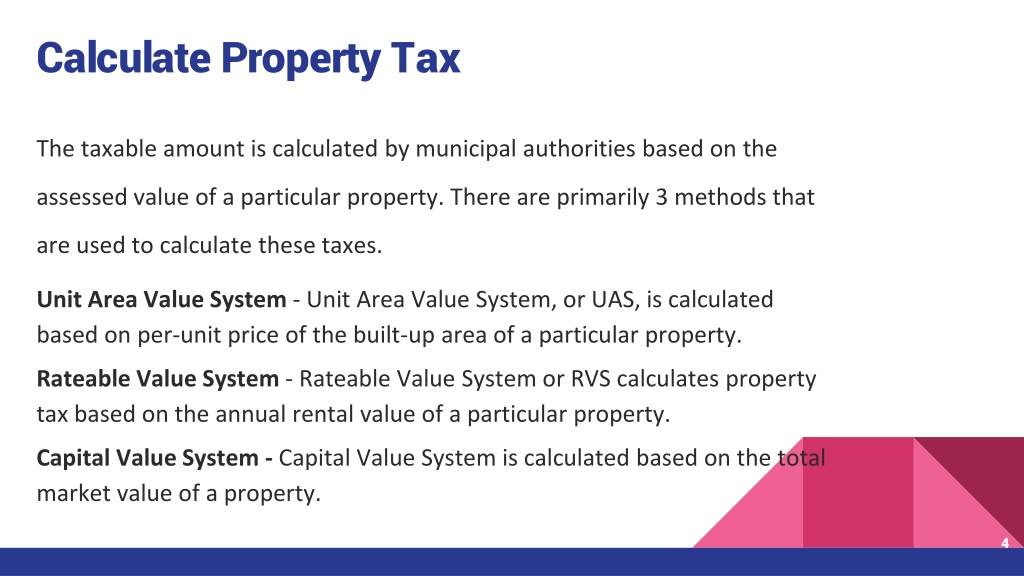
Property taxes, a cornerstone of local government funding, have a rich and surprisingly ancient history. Understanding their evolution helps us appreciate the complexities of today’s systems. From rudimentary beginnings to the sophisticated assessments we see now, property taxes have constantly adapted to societal changes and the needs of governments. This journey reveals much about how we’ve valued and funded public services over millennia.
Origins of Property Taxation
The concept of taxing property didn’t spring up overnight. It’s a system that gradually emerged, rooted in the need to fund communal activities and, of course, the ambitions of those in power.
The earliest forms of property taxation can be traced back to ancient civilizations. These weren’t always called “property taxes” in the modern sense, but they involved assessing and collecting dues based on land ownership or the value of possessions. The practice served as a crucial source of revenue for rulers and communities alike.
In ancient Egypt, for instance, records show that land was assessed and taxed as early as the Old Kingdom period (around 2686-2181 BC). The taxes were used to support the pharaoh, his court, and the construction of monumental projects like the pyramids.
The ancient Greeks and Romans also employed forms of property taxation. In Greece, land ownership often determined civic duties and contributions. The Roman Empire had a well-developed system for assessing and collecting taxes on land, buildings, and other assets, essential for funding the vast empire’s military and infrastructure. They even had a rudimentary form of a property tax assessor.
Significant Milestones in Property Tax History
Over the centuries, property taxes have undergone numerous transformations, driven by societal changes, economic developments, and legal challenges. Key milestones have shaped the way these taxes are administered and their impact on property owners.
* Medieval Period: During the feudal era in Europe, land ownership was the basis of power and wealth. Taxes were often levied on land and its productivity, supporting the feudal lords and the church. Assessment practices were largely informal, based on local customs and the discretion of those in power.
* The Renaissance and the Rise of Nation-States: The shift from feudalism to nation-states brought about more centralized and systematic approaches to taxation. Governments sought to standardize assessment methods and collection processes to increase revenue and manage public finances more effectively.
* The Development of Assessment Practices: Over time, assessment practices have become more sophisticated. Early assessments were often based on visual inspections and estimations. The Industrial Revolution spurred the need for more accurate and objective methods, leading to the development of appraisal techniques, using standardized methods and professional assessors.
* Court Cases and Legal Challenges: Throughout history, property taxes have been subject to legal challenges. Court cases have addressed issues of fairness, equity, and the constitutionality of assessment practices. These cases have often led to reforms and improvements in the system.
* The 20th and 21st Centuries: Modernization brought about the rise of technology in assessment, with computer-aided mass appraisal (CAMA) systems. This has increased efficiency and accuracy. Moreover, the focus on property tax relief programs for homeowners and efforts to ensure equitable distribution of tax burdens have become more prevalent.
Timeline of Property Tax Evolution, How does property tax work
Here’s a timeline that captures key events and developments in the history of property taxes:
* Ancient Egypt (c. 2686-2181 BC): Land assessment and taxation emerge to support the pharaoh and public works.
* Ancient Greece & Rome (Various Dates): Property taxes become a means of funding civic duties and supporting empires.
* Medieval Europe (c. 5th – 15th Centuries): Land-based taxation supports feudal lords and the Church. Assessment practices are informal and localized.
* Renaissance (c. 14th – 17th Centuries): Centralized governments seek standardized taxation to fund their activities.
* 18th & 19th Centuries: The Industrial Revolution necessitates improved assessment practices, giving rise to more accurate appraisal techniques.
* Early 20th Century: The focus shifts towards ensuring fairness and equity in property tax systems, with greater professionalization of assessment roles.
* Mid-to-Late 20th Century: Computer-aided mass appraisal (CAMA) systems are introduced to increase assessment efficiency.
* 21st Century: Property tax relief programs expand, with continued efforts to improve the equity and transparency of the system.
How does the property tax system affect different demographic groups and communities?
Property taxes, while a cornerstone of local government funding, don’t impact everyone equally. The system’s structure can create disparities, influencing everything from individual financial burdens to the overall quality of neighborhoods. Understanding these effects is crucial for a fair and equitable system.
Impact on Different Income Levels
Property taxes can hit different income levels quite differently. This is largely due to the concept of tax burden, which represents the proportion of income dedicated to taxes.
The tax burden is calculated using the following formula:
Tax Burden = (Property Tax Payment / Household Income) * 100
This percentage reveals how much of a household’s income goes toward property taxes. For instance, if a household pays \$5,000 in property taxes and earns \$50,000 annually, their tax burden is 10%. However, this burden’s impact is not the same across all income levels.
Low-income homeowners often face significant challenges. The same \$5,000 property tax payment represents a much larger percentage of their income, potentially leading to financial strain. This is particularly true if they have limited access to property tax relief programs or live in areas with rapidly increasing property values. They might struggle to afford other necessities like food, healthcare, and home maintenance. They may even be forced to sell their homes.
High-income earners, on the other hand, might find the same tax amount less burdensome. The tax payment represents a smaller percentage of their income, allowing them more financial flexibility.
Relationship Between Property Taxes and Housing Affordability
High property taxes can significantly affect housing affordability, creating a ripple effect through the real estate market and the broader community.
Here’s how:
- Increased Costs for Homeowners: Higher property taxes directly increase the overall cost of homeownership. This makes it more challenging for potential buyers to afford a home, especially in areas with already high housing prices.
- Reduced Homeownership Rates: When property taxes are too high, fewer people can afford to buy homes. This can lead to decreased homeownership rates, particularly among first-time homebuyers and those with lower incomes.
- Rental Market Pressures: Landlords often pass property tax increases on to renters in the form of higher rents. This further reduces housing affordability and can displace renters, particularly those with limited financial resources.
- Contribution to Housing Crises: In areas with rapidly increasing property values and high property taxes, the combination can exacerbate housing crises. This includes contributing to homelessness, displacement, and increased social inequality. For example, in some rapidly gentrifying urban areas, rising property taxes have forced long-time residents to sell their homes, leading to significant community upheaval.
Influence on Community Development
Property taxes play a vital role in community development, influencing the quality of schools, public services, and overall neighborhood well-being. The revenue generated from these taxes is often the primary source of funding for local government functions.
Here’s how:
- Impact on Schools: Property taxes often fund local school districts. Higher property tax revenues generally translate to better-funded schools, with more resources for teachers, programs, and facilities. Conversely, lower revenues can lead to underfunded schools, which can negatively affect student outcomes and the overall quality of education in a community.
- Impact on Public Services: Property taxes support a range of public services, including police and fire departments, libraries, parks, and infrastructure maintenance. Adequate funding from property taxes ensures these services are well-maintained and accessible to residents. Insufficient funding can lead to reduced service quality and potentially impact public safety and quality of life.
- Impact on Overall Neighborhood Quality: The level of property tax revenue can significantly affect the overall quality of a neighborhood. Well-funded public services, good schools, and well-maintained infrastructure contribute to a desirable living environment. This, in turn, can attract new residents, increase property values, and stimulate economic growth.
Here are some positive and negative effects:
- Positive Effects:
- Well-funded schools, leading to improved educational outcomes.
- High-quality public services, such as efficient emergency response and well-maintained parks.
- Improved infrastructure, like well-paved roads and updated public transportation.
- Increased property values, reflecting a desirable living environment.
- Economic growth, driven by investment and increased activity.
- Negative Effects:
- Underfunded schools, potentially leading to lower educational standards.
- Poorly maintained public services, impacting public safety and quality of life.
- Deteriorating infrastructure, such as potholes and aging public facilities.
- Declining property values, reflecting a less desirable environment.
- Economic decline, with fewer opportunities for investment and growth.
What are some of the current debates and reforms surrounding property taxes in different regions?
Property taxes, a cornerstone of local government funding, are constantly under scrutiny. They are often the subject of heated debate, driven by concerns about fairness, economic impact, and the distribution of the tax burden. Across the globe, various jurisdictions are grappling with how to modernize and improve their property tax systems, leading to a dynamic landscape of reform proposals and implementations.
Arguments For and Against Property Taxes
The merits and demerits of property taxes are at the heart of the ongoing debates. Proponents and opponents offer compelling arguments that shape policy discussions.
- Arguments for Property Taxes:
- Stable Revenue Source: Property taxes provide a predictable and consistent revenue stream for local governments, making it easier to budget for essential services like schools, public safety, and infrastructure. Unlike income or sales taxes, property tax revenue is less susceptible to economic fluctuations.
- Local Control: Property taxes primarily fund local services, fostering a direct link between the taxes paid and the benefits received by residents. This can promote greater accountability and responsiveness from local government.
- Benefit Principle: The “benefit principle” suggests that those who benefit most from local services should contribute the most. Property owners, who often benefit from improved infrastructure and public services, contribute accordingly.
- Wealth-Based: Property taxes are seen by some as a way to tax wealth, not just income, contributing to a more equitable tax system.
- Arguments Against Property Taxes:
- Regressive Nature: Property taxes can be regressive, disproportionately affecting low-income homeowners and renters, especially in areas with high property values.
- Assessment Inaccuracies: Inaccurate property assessments can lead to unfair tax burdens, with some properties being overvalued and others undervalued.
- Impact on Economic Growth: High property taxes can discourage investment and development, particularly in areas with high tax rates. They can also make housing less affordable, potentially driving away residents and businesses.
- Complexity: The property tax system can be complex and difficult for homeowners to understand, leading to confusion and frustration.
Property Tax Reform Proposals
Various jurisdictions are considering or implementing reforms to address the challenges associated with property taxes. Here are three examples:
- Proposal 1: Land Value Tax (LVT)
- Encourages more efficient land use.
- Potentially reduces the tax burden on homeowners and incentivizes the construction of new buildings.
- Generates revenue from the inherent value of land.
- Requires accurate and frequent land value assessments, which can be challenging.
- May face political opposition from landowners who benefit from the current system.
- Could lead to higher taxes on some properties and lower taxes on others, potentially creating winners and losers.
- Proposal 2: Circuit Breakers and Tax Relief Programs
- Provide targeted relief to vulnerable populations.
- Help to mitigate the regressive nature of property taxes.
- Can be implemented relatively easily compared to more comprehensive reforms.
- Can be complex to administer, requiring income verification and other eligibility criteria.
- May not reach all those who need assistance.
- Can strain local government budgets if not adequately funded.
- Proposal 3: Property Tax Assessment Reform
- Ensures that property taxes are based on fair and accurate valuations.
- Reduces the likelihood of disputes and appeals.
- Improves public trust in the property tax system.
- Can be expensive to implement, requiring investment in technology and staff training.
- May be resisted by property owners who benefit from the current assessment system.
- Requires ongoing maintenance and updates to maintain accuracy.
Description: An LVT taxes the unimproved value of land, excluding the value of any buildings or improvements. The aim is to encourage more efficient use of land and potentially lower the overall tax burden on homeowners. Proponents argue that it discourages land speculation and promotes urban development.
Potential Benefits:
Drawbacks:
Jurisdictions: The concept of LVT has been experimented with in various places, including Pittsburgh, Pennsylvania, and some municipalities in Australia. Its widespread adoption is still limited due to the complexities of implementation and political resistance.
Description: Circuit breakers are tax relief programs designed to provide property tax relief to low-income homeowners, elderly residents, or those facing financial hardship. These programs typically cap property tax liability based on income or provide direct rebates.
Potential Benefits:
Drawbacks:
Jurisdictions: Many states and local governments have implemented circuit breaker programs or other property tax relief measures. Examples include California’s Proposition 13 (which limits property tax increases) and various state-level programs that offer tax credits or rebates to low-income seniors.
Description: This reform focuses on improving the accuracy, fairness, and transparency of property assessments. This may involve changes to assessment methods, the frequency of reassessments, and the appeals process. Often, it entails using technology like Geographic Information Systems (GIS) and mass appraisal techniques to value properties.
Potential Benefits:
Drawbacks:
Jurisdictions: Many cities and counties are actively working on improving their property tax assessment processes. Examples include Cook County, Illinois (which has implemented reforms to its assessment system) and various jurisdictions that are adopting computer-assisted mass appraisal (CAMA) systems.
What are the potential future trends and developments in property tax systems?

The landscape of property taxation is constantly evolving, influenced by technological advancements, demographic shifts, and economic forces. Looking ahead, we can anticipate significant transformations in how property taxes are assessed, administered, and utilized. These changes aim to improve efficiency, fairness, and responsiveness to the needs of communities.
Technological Advancements in Property Tax Systems
The integration of technology is poised to revolutionize property tax systems. Artificial intelligence (AI) and big data analytics are particularly promising tools for streamlining processes and enhancing accuracy.
- AI-Powered Property Assessment: AI algorithms can analyze vast datasets, including property characteristics, market trends, and sales data, to automatically assess property values. This could lead to more frequent and accurate valuations, reducing the need for manual inspections and potentially minimizing disputes. For instance, some municipalities are already experimenting with AI to identify properties that may be undervalued, ensuring a fairer distribution of the tax burden.
- Big Data for Market Analysis: Big data analytics can provide deeper insights into real estate markets. Analyzing data from various sources, such as online listings, social media, and economic indicators, can help predict future property value fluctuations and inform tax policy decisions. This allows for more proactive and data-driven adjustments to tax rates and assessment practices.
- Automated Tax Administration: Automation can streamline administrative tasks, such as bill generation, payment processing, and record-keeping. Blockchain technology could also enhance transparency and security by creating an immutable record of property transactions and tax payments. This will reduce administrative costs and improve the overall efficiency of tax collection.
Demographic Shifts and Economic Changes Impacting Property Tax Systems
Demographic shifts, such as aging populations and urbanization, along with broader economic changes, are reshaping the dynamics of property tax systems.
- Aging Populations and Tax Base: As populations age, the demand for services like healthcare and senior care increases, placing a strain on local budgets. Property tax systems may need to adapt to support these services. One approach could be to offer targeted tax relief programs for seniors, while also exploring alternative revenue sources to maintain fiscal stability.
- Urbanization and Housing Affordability: Rapid urbanization can lead to increased property values and affordability challenges, particularly in desirable areas. Property tax systems may need to be adjusted to address these issues. This might involve implementing progressive property tax rates or exploring land value taxation, which taxes the value of land separately from improvements.
- Economic Fluctuations and Revenue Stability: Economic downturns can significantly impact property values and tax revenues. Property tax systems may need to incorporate mechanisms to mitigate these risks. This could include building reserve funds, diversifying revenue sources, or implementing tax increment financing to stimulate economic development.
- Use of Property Tax for Other Purposes: In the future, property tax might be used for purposes beyond funding traditional services. This could involve using property tax revenue to support initiatives like affordable housing, climate change mitigation, or infrastructure development. This will depend on the needs of the community.
Visual Representation of the Future of Property Taxes
Imagine a futuristic cityscape with sleek, sustainable buildings. In the foreground, a transparent holographic display projects a 3D model of a residential property. This model dynamically updates, showing the property’s assessed value and the breakdown of how its property taxes are allocated to various public services. The display is interactive; a homeowner can tap on different aspects to learn more about the services their taxes support.
Above the cityscape, a network of interconnected data streams visualizes the flow of information. These streams represent the integration of AI and big data in property assessment, market analysis, and tax administration. Automated drones are seen delivering property tax bills and processing payments, signifying the automation of administrative tasks.
On the periphery, diverse community members are shown interacting with the system. A senior citizen is reviewing their tax bill with the assistance of a digital interface, while a young family is learning about the public services their taxes fund. This highlights the focus on transparency and citizen engagement. The entire scene reflects a property tax system that is more efficient, equitable, and responsive to the needs of the community, driven by technological innovation and adapted to the changing economic and social conditions.
Final Review
In essence, property tax is more than just a bill; it’s an investment in your community. By understanding the intricacies of property taxation, from assessment to allocation, homeowners can gain a deeper appreciation for the system and how it affects their lives. We’ve explored the history, the current debates, and the future possibilities of property taxes. Hopefully, this exploration has provided a comprehensive overview, empowering you with the knowledge to navigate the property tax landscape confidently. Now, you’re well-equipped to engage with the system and make informed decisions about your property and its contribution to your community.