What is the FIRE movement explained? It’s more than just a catchy acronym; it’s a revolutionary approach to personal finance, a movement that encourages individuals to achieve financial independence and retire early. This isn’t just about saving money; it’s about fundamentally rethinking your relationship with work, spending, and the future. Prepare to dive deep into a world where frugality meets financial strategy, where intentional living guides investment choices, and where the conventional retirement age is merely a suggestion.
We’ll uncover the origins of FIRE, exploring its evolution from a niche concept to a global phenomenon. We’ll dissect the core principles, examining the philosophies and practical applications that drive its adherents. From understanding different FIRE variations to calculating your financial independence number, we’ll guide you through the key metrics and investment strategies. Get ready to explore the lifestyle changes, behavioral adjustments, potential challenges, and broader societal impacts of this transformative movement.
How did the Financial Independence, Retire Early movement originate and evolve over time, offering insights into its historical context?
The Financial Independence, Retire Early (FIRE) movement, a growing phenomenon, represents a significant shift in how people approach work, savings, and retirement. It’s more than just a financial strategy; it’s a lifestyle choice rooted in a desire for freedom and control over one’s time. To understand its current form, it’s crucial to explore its origins and the key events that shaped its trajectory.
Genesis of the FIRE Movement
The FIRE movement’s roots lie in a confluence of economic shifts, societal changes, and evolving attitudes toward work and consumerism. The late 20th and early 21st centuries saw the rise of neoliberal economic policies, which, while boosting overall economic growth, also led to increased income inequality and precarity in the job market. This context provided fertile ground for alternative approaches to financial planning.
Several factors converged to give birth to the FIRE movement. First, the increasing availability of information and the rise of the internet enabled individuals to access financial education and share experiences more easily. Blogs, forums, and online communities became hubs for exchanging strategies, tips, and personal stories. Second, the growing student debt crisis and the rising cost of living, particularly in major urban centers, made traditional retirement plans seem less attainable for many. Third, the increasing awareness of environmental issues and the desire for a more sustainable lifestyle contributed to a re-evaluation of consumerism and its impact. This led to a greater emphasis on minimalism and mindful spending, core tenets of the FIRE philosophy. Finally, the development of sophisticated financial tools and investment strategies, like index fund investing and the “4% rule,” provided practical frameworks for achieving financial independence.
These elements coalesced, creating a space for individuals to question conventional wisdom and explore alternative pathways to financial freedom. The movement’s initial adherents were often motivated by a desire to escape the rat race, pursue passions, and live life on their own terms. The principles of extreme frugality, aggressive saving, and strategic investing became the cornerstones of this burgeoning philosophy.
Timeline of the FIRE Movement’s Evolution
The FIRE movement didn’t spring up overnight. It’s a product of gradual development, marked by key moments and influential figures. This timeline highlights the evolution, showing how it has adapted and diversified over time.
* Early 1990s – The Seeds of FIRE: The groundwork was laid by pioneering authors and financial thinkers. Vicki Robin and Joe Dominguez published “Your Money or Your Life” (1992), which advocated for aligning spending with values and achieving financial independence as a means of personal fulfillment. This book introduced the concept of “financial independence” and provided a roadmap for achieving it through radical frugality and lifestyle adjustments.
* Early 2000s – The Rise of the Internet and Online Communities: The advent of the internet and the proliferation of personal finance blogs created a platform for the movement to flourish. Early adopters began sharing their strategies and experiences, building a community and spreading the word. Websites like Early Retirement Extreme, created by Jacob Lund Fisker, began to disseminate information and foster discussion.
* Mid-2000s to Early 2010s – Growth and Refinement: The movement gained momentum as more people discovered its principles. Blogs and forums became more sophisticated, with detailed analyses of investment strategies, expense tracking, and lifestyle design. The focus shifted from extreme frugality to a more balanced approach that included aspects of early retirement.
* Mid-2010s to Present – Diversification and Mainstreaming: FIRE became a global phenomenon, attracting a wider audience. Sub-movements like Lean FIRE, Fat FIRE, and Barista FIRE emerged, catering to different financial goals and lifestyles. The movement gained mainstream media attention, solidifying its place in the personal finance landscape.
Phases of the FIRE Movement
The FIRE movement has evolved through several phases, each characterized by specific tenets, strategies, and influential figures. The following table provides a concise overview of these phases.
| Phase | Core Tenets | Influential Figures | Description |
|---|---|---|---|
| Early Phase (1990s – Early 2000s) | Extreme frugality, high savings rates (50-75% or more), debt aversion, and a focus on minimizing expenses. | Vicki Robin and Joe Dominguez (“Your Money or Your Life”), Jacob Lund Fisker (“Early Retirement Extreme”). | This phase emphasized radical lifestyle changes and a relentless focus on saving. The goal was to accumulate enough wealth to cover living expenses through investment income as quickly as possible. |
| Growth and Refinement (Mid-2000s – Early 2010s) | A more balanced approach, incorporating strategies like index fund investing, the “4% rule” for safe withdrawal rates, and a focus on lifestyle design. | Mr. Money Mustache, JL Collins. | The focus shifted from simply saving money to investing it wisely and creating a sustainable lifestyle. The importance of diversification and long-term financial planning became more apparent. |
| Diversification and Mainstreaming (Mid-2010s – Present) | A wider range of strategies and sub-movements (e.g., Lean FIRE, Fat FIRE, Barista FIRE), catering to different financial goals and lifestyle preferences. Emphasis on financial education and community building. | Various bloggers, podcasters, and online communities. | The movement expanded to include various levels of financial independence and retirement, along with a focus on personal fulfillment, mental health, and environmental sustainability. |
| Future Outlook | Adaptation to changing economic conditions, exploring the ethical considerations of FIRE, and integrating social responsibility into financial planning. | Emerging thought leaders and financial advisors. | The future will likely see the FIRE movement evolve to address new challenges and opportunities, including the impact of inflation, climate change, and evolving societal values. |
What are the core principles and underlying philosophies that define the FIRE movement, emphasizing its foundational beliefs?
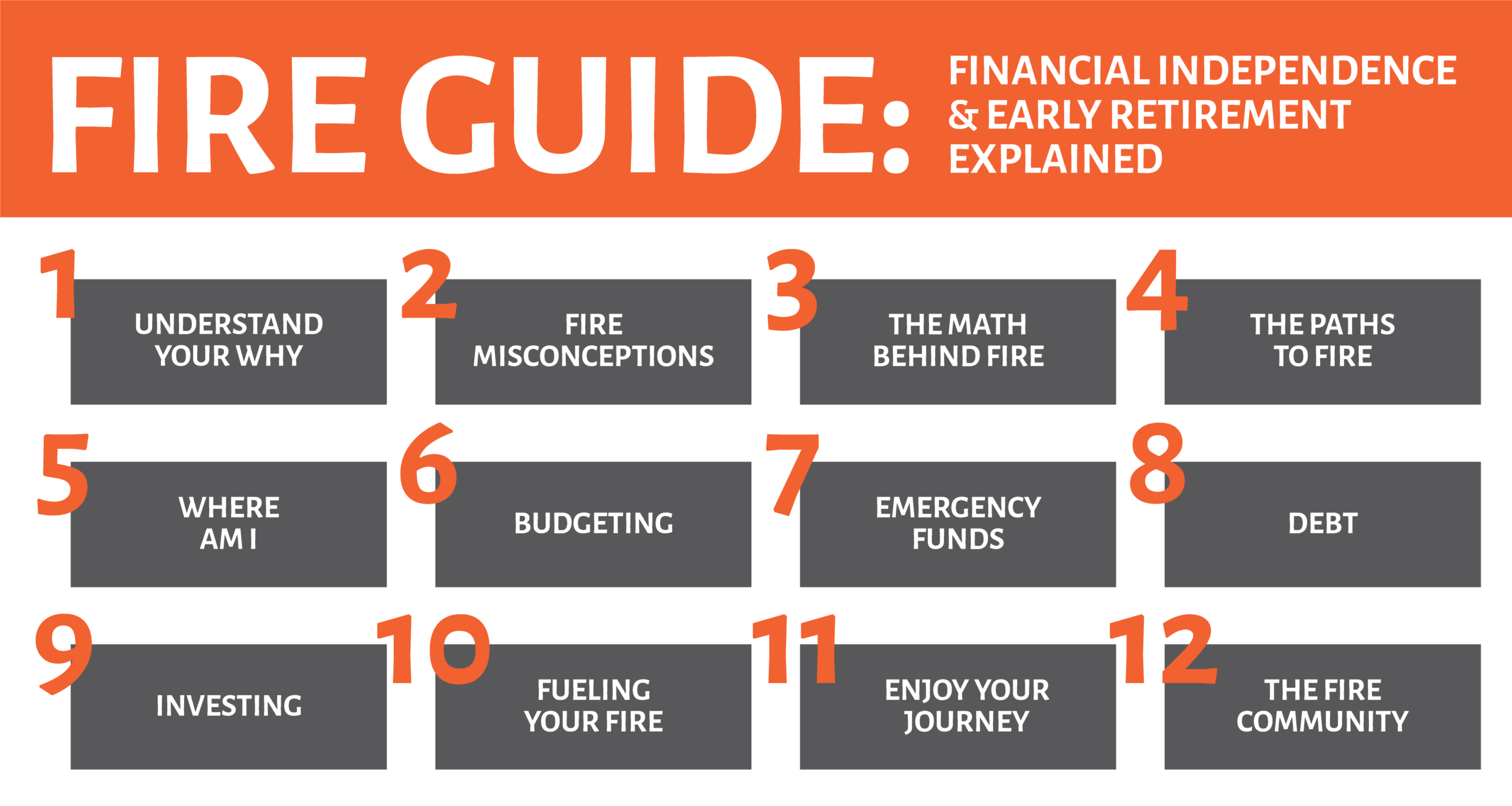
The FIRE (Financial Independence, Retire Early) movement is built on a foundation of specific principles and underlying philosophies that guide its adherents. These tenets are not merely financial strategies; they represent a fundamental shift in how individuals approach their relationship with money, work, and life itself. The core of FIRE lies in achieving financial independence, which then allows for early retirement. This transition requires a dedicated focus on several key areas, all interconnected and working in harmony to achieve the desired outcome.
Fundamental Tenets of FIRE
The core of the FIRE movement revolves around several key pillars, each playing a crucial role in achieving financial independence and early retirement. These tenets are interconnected and require a significant commitment to lifestyle changes and financial planning. The success of the FIRE movement hinges on a disciplined approach to each of these elements.
* Extreme Frugality: This is the cornerstone of FIRE. It involves consciously minimizing spending and maximizing savings. The goal is to save a significantly higher percentage of one’s income than the average person. This typically means living below one’s means and making conscious choices to reduce expenses.
* Practical Application: Tracking every expense meticulously using budgeting apps or spreadsheets. Negotiating lower prices on goods and services. Embracing a minimalist lifestyle by reducing consumption of unnecessary items. Cooking at home rather than eating out. Avoiding lifestyle inflation as income increases.
* Strategic Investment: Simply saving money is not enough; it needs to be invested wisely to grow over time. FIRE advocates typically favor diversified portfolios of low-cost index funds, exchange-traded funds (ETFs), and other passive investment vehicles that minimize fees and maximize returns over the long term.
* Practical Application: Investing in broad-market index funds like the S&P 500 or Total Stock Market funds. Regularly contributing to investment accounts, such as 401(k)s, IRAs, and taxable brokerage accounts. Rebalancing the portfolio periodically to maintain the desired asset allocation. Considering real estate investments, but carefully evaluating the risks and rewards.
* Early Retirement Planning: This involves creating a detailed financial plan that Artikels how to achieve financial independence and retire early. It requires calculating the desired retirement income, estimating expenses, and determining the investment needed to support that income. This often involves a detailed understanding of the “4% rule” or other withdrawal strategies.
* Practical Application: Creating a detailed budget and tracking income and expenses. Calculating the “FIRE number,” which is the total amount of money needed to cover annual expenses for retirement. Modeling different retirement scenarios using financial planning software or spreadsheets. Regularly reviewing and adjusting the financial plan as needed. Exploring strategies to reduce taxes in retirement.
Philosophical Underpinnings of FIRE
Beyond the financial strategies, FIRE is deeply rooted in several philosophical concepts that shape its approach to life. These concepts guide individuals in their pursuit of financial independence and a life that prioritizes freedom, purpose, and well-being. The emphasis is on living intentionally and aligning one’s actions with one’s values.
* Minimalism: This is the practice of living with less, focusing on experiences and relationships rather than material possessions. Minimalism complements frugality by encouraging individuals to question their consumption habits and prioritize what truly brings them value.
* Practical Application: Decluttering one’s home and possessions. Buying fewer things and focusing on quality over quantity. Evaluating purchases based on their usefulness and lasting value. Embracing experiences over material goods, such as travel or learning new skills.
* Intentional Living: This involves making conscious choices about how one spends time and money, aligning them with one’s values and goals. It means living with purpose and avoiding the default choices that society often dictates. This also includes setting clear goals for financial independence and early retirement.
* Practical Application: Defining one’s values and priorities. Setting clear financial goals and creating a plan to achieve them. Regularly evaluating progress and making adjustments as needed. Pursuing hobbies and interests that bring joy and fulfillment. Cultivating meaningful relationships.
* The Pursuit of Freedom: This is the ultimate goal of FIRE. It involves gaining control over one’s time and life, freeing oneself from the constraints of traditional employment. This freedom allows individuals to pursue their passions, spend more time with loved ones, and live life on their own terms.
* Practical Application: Designing a life that prioritizes flexibility and autonomy. Exploring different ways to generate income, such as starting a business or pursuing freelance work. Cultivating a strong sense of self-awareness and understanding one’s values. Being open to new experiences and opportunities.
What are the different variations and sub-categories within the FIRE movement, clarifying the diverse approaches to achieving financial independence?: What Is The FIRE Movement Explained

The FIRE movement, while unified in its core goal of financial independence and early retirement, is not a monolith. It encompasses a spectrum of approaches, each tailored to different financial situations, lifestyle preferences, and risk tolerances. Understanding these variations is crucial for anyone considering FIRE, as it allows for a more personalized and achievable path. The key differentiators lie in the target retirement income, the timeline for achieving it, and the lifestyle choices made along the way.
FIRE Sub-Categories Explained
Let’s delve into some of the most prominent FIRE sub-categories, outlining their defining characteristics and implications.
Fat FIRE
Fat FIRE targets a significantly higher retirement income than the standard FIRE approach. This allows for a more luxurious lifestyle, often including travel, fine dining, and other discretionary expenses that might be restricted in other FIRE variants. The financial requirements are substantial, necessitating a larger investment portfolio and a longer accumulation phase for most individuals.
- Strategies: Aggressive savings and investment strategies are critical. This often involves maximizing contributions to tax-advantaged accounts, investing in a diversified portfolio of stocks, bonds, and potentially real estate, and possibly pursuing side hustles or entrepreneurial ventures to boost income.
- Timelines: The timeline can vary but typically requires a longer accumulation phase, potentially 15-25 years or more, depending on the desired income and initial investment capital.
- Lifestyle Implications: Fat FIRE allows for a high degree of lifestyle flexibility and comfort. Retirees can pursue expensive hobbies, travel frequently, and generally enjoy a more lavish lifestyle.
- Target Audience: Individuals with high earning potential, a strong savings rate, and a willingness to embrace a disciplined financial plan. Those who prioritize a luxurious lifestyle in retirement.
- Financial Requirements: Significant investment portfolio, potentially $2 million or more, depending on desired annual income. A safe withdrawal rate, such as the 4% rule, would provide a substantial income stream.
Lean FIRE
Lean FIRE is the most frugal approach within the FIRE movement. It focuses on achieving financial independence with a minimal retirement income, prioritizing extreme savings and a very low cost of living. This often involves significant lifestyle adjustments, such as living in a less expensive area, minimizing discretionary spending, and potentially embracing a minimalist lifestyle.
- Strategies: Extreme frugality is the cornerstone. This includes minimizing expenses, maximizing savings, and potentially living off of a very tight budget. Investing is still crucial, but the focus is on building a smaller portfolio to generate the necessary income.
- Timelines: Lean FIRE often allows for a faster path to financial independence due to the lower income target. The accumulation phase could be as short as 5-15 years, depending on savings rate and investment returns.
- Lifestyle Implications: Requires significant lifestyle sacrifices. Retirees may need to live in a less desirable location, limit entertainment and travel, and be very mindful of every expense.
- Target Audience: Individuals who prioritize financial independence above all else and are comfortable with a very frugal lifestyle. Those with a high tolerance for risk and a strong ability to live within their means.
- Financial Requirements: Smaller investment portfolio, potentially $300,000 to $700,000, depending on the location and desired lifestyle. The 4% rule, or a similar safe withdrawal strategy, would provide the necessary income.
Coast FIRE
Coast FIRE is a unique approach where the individual has accumulated enough assets that, if left untouched and allowed to grow, they will eventually reach their FIRE number by the traditional retirement age. At this point, they can “coast” towards their FIRE goal by ceasing to actively save and relying on investment growth. This offers more flexibility and reduces the pressure of aggressively saving.
- Strategies: Focus on reaching a specific asset level. After reaching that level, the individual can stop contributing to retirement accounts and allow their investments to grow. The strategy involves a long-term investment horizon.
- Timelines: The timeline to reach Coast FIRE varies based on the individual’s current savings, investment returns, and the desired retirement age. It could range from a few years to over a decade.
- Lifestyle Implications: Offers a more relaxed approach to financial independence. Allows for more career flexibility, such as taking a lower-paying job, pursuing passion projects, or working part-time.
- Target Audience: Individuals who have made significant progress toward their FIRE goal but desire more flexibility in their careers or a less stressful approach to saving.
- Financial Requirements: The required asset level is determined by the FIRE number and the time remaining until traditional retirement age. This requires careful calculations based on investment returns and inflation.
Barista FIRE
Barista FIRE is a hybrid approach where individuals achieve financial independence but continue to work part-time, typically in a job that provides benefits like health insurance, often at a coffee shop or similar role, hence the name. The part-time income supplements their investment income, allowing them to maintain a comfortable lifestyle while also staying engaged and active.
- Strategies: Achieve a significant portion of the FIRE number and then transition to a part-time job. This part-time income covers some living expenses and provides access to benefits.
- Timelines: The timeline is similar to other FIRE approaches, with a focus on accumulating enough assets to generate a sustainable income and then supplementing that with part-time work.
- Lifestyle Implications: Provides a balance between financial independence and continued work. Allows for a less stressful work environment, greater flexibility, and the opportunity to stay socially connected.
- Target Audience: Individuals who enjoy working but want to reduce their work hours and have more control over their time. Those who value social interaction and the structure of a job.
- Financial Requirements: The required investment portfolio is less than for full FIRE, as the part-time income covers some expenses. The specific amount depends on the desired lifestyle and the income from the part-time job.
Comparing FIRE Variants
Here’s a comparison table summarizing the key aspects of each FIRE sub-category:
| FIRE Variant | Strategies | Timeline | Lifestyle Implications |
|---|---|---|---|
| Fat FIRE | Aggressive saving and investing, potentially side hustles | 15-25+ years | Luxurious lifestyle, travel, discretionary spending |
| Lean FIRE | Extreme frugality, minimal spending | 5-15 years | Significant lifestyle sacrifices, frugal living |
| Coast FIRE | Reach a target asset level, stop saving | Varies, depends on remaining time to retirement | Career flexibility, reduced stress |
| Barista FIRE | Achieve partial FIRE, work part-time | Similar to full FIRE, plus part-time work phase | Balance of financial independence and work, social connection |
How do individuals calculate their financial independence number and determine their retirement readiness within the FIRE framework, outlining the key metrics?
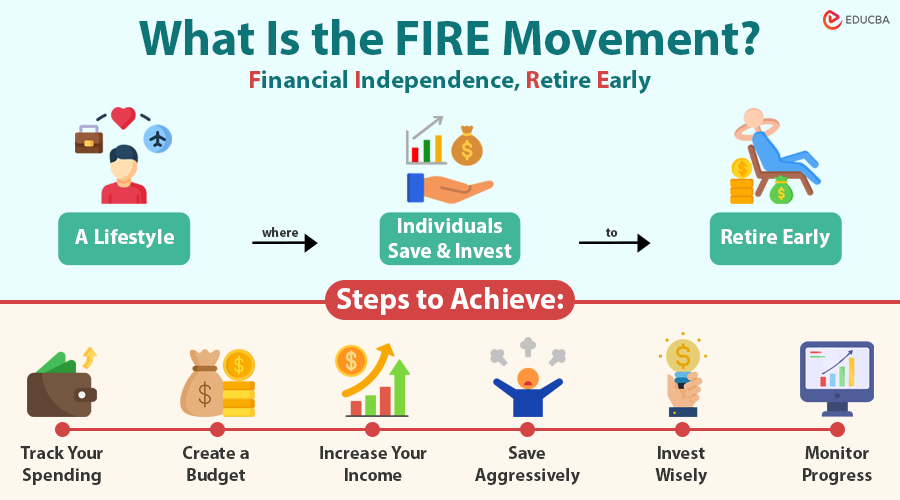
Reaching financial independence and early retirement, as envisioned by the FIRE movement, hinges on precise calculations and strategic planning. The core of this process involves determining a financial independence number (FIN) and subsequently assessing retirement readiness. This requires a thorough understanding of personal finances, anticipated expenses, and investment strategies. It’s about translating your desired lifestyle into a tangible financial goal.
Calculating the Financial Independence Number, What is the FIRE movement explained
The cornerstone of FIRE planning is the financial independence number (FIN). This is the amount of money you need invested to generate enough passive income to cover your living expenses for the rest of your life. The most widely used method for calculating the FIN is based on the “4% rule,” which is often simplified to the “25x rule.”
The 25x rule dictates that you need to accumulate 25 times your annual expenses. This rule stems from the 4% safe withdrawal rate (SWR), a concept that suggests you can safely withdraw 4% of your investment portfolio each year without running out of money for at least 30 years, and likely longer. The 4% rule assumes your investments will grow at an average rate over time, offsetting inflation and providing for your expenses.
Here’s how it works:
* First, determine your estimated annual expenses in retirement. This is the amount of money you need to spend each year to maintain your desired lifestyle. (More on this in the next section.)
* Multiply your annual expenses by 25. This result is your FIN.
For example, if you estimate your annual expenses to be $50,000, your FIN would be:
$50,000 x 25 = $1,250,000
This means you would need $1,250,000 invested to achieve financial independence, based on the 4% rule. It is essential to note that the 4% rule is based on historical data and is not a guarantee of future performance. It’s also crucial to consider factors like inflation, which will erode the purchasing power of your money over time. While this calculation provides a good starting point, it is crucial to continually reassess and adjust your FIN as your circumstances change.
Estimating Annual Expenses in Retirement
Accurately estimating your annual expenses in retirement is crucial for calculating your FIN. This involves a detailed examination of your current spending habits and projecting how they might change in retirement. Several factors influence these expenses, including inflation, healthcare costs, and lifestyle choices.
* Inflation: Inflation erodes the purchasing power of your money. It’s important to account for inflation when estimating your retirement expenses. A common method is to use historical inflation rates or project future rates based on economic forecasts. Consider the impact of inflation on recurring costs like housing, utilities, and groceries.
* Healthcare Costs: Healthcare costs are a significant expense in retirement, and they tend to increase over time. Research current healthcare costs, and project how these might change over the years. Consider factors like insurance premiums, out-of-pocket expenses, and potential long-term care costs.
* Lifestyle Choices: Your lifestyle choices will significantly impact your retirement expenses. Do you plan to travel extensively? Will you downsize your home or move to a more affordable location? Will you pursue expensive hobbies? Consider all of these factors when estimating your expenses.
For example, if you currently spend $40,000 annually, you might project that your expenses will increase to $50,000 in retirement, accounting for inflation and a slightly more active lifestyle.
Assessing Retirement Readiness
Once you’ve calculated your FIN and estimated your annual expenses, you can assess your retirement readiness. This involves evaluating your current financial situation and comparing it to your goals. The following steps provide a practical guide for assessing your readiness:
* Calculate Your Current Net Worth: Determine the value of all your assets (investments, savings, property, etc.) and subtract your liabilities (debts, loans). This gives you a snapshot of your current financial position.
* Analyze Your Income Sources: Identify all potential income sources in retirement. This might include investment income, Social Security benefits, pensions, or part-time work. Understand how these income streams will contribute to your overall financial plan.
* Assess Your Asset Allocation: Review your investment portfolio to ensure it aligns with your risk tolerance and retirement goals. A diversified portfolio is key to mitigating risk.
* Determine Your Savings Rate: Track how much of your income you are currently saving and adjust your savings rate as needed to meet your FIN goal. Higher savings rates will accelerate your progress toward financial independence.
* Build a Financial Buffer: It is wise to have an emergency fund to cover unexpected expenses. This can provide a cushion against financial shocks and give you peace of mind.
* Regularly Review and Adjust Your Plan: Financial planning is an ongoing process. Review your progress, and adjust your plan as needed. Economic conditions, investment performance, and your personal circumstances will change over time.
What are the common investment strategies employed by FIRE adherents to accumulate wealth and generate passive income streams, offering practical insights?

FIRE enthusiasts rely on a diversified investment approach to accelerate wealth accumulation and achieve financial independence. The goal is to build a portfolio that generates enough passive income to cover living expenses, allowing for early retirement. This involves strategic asset allocation, cost-effective investment vehicles, and a long-term perspective.
Core Investment Strategies
FIRE adherents typically employ a combination of investment strategies to achieve their financial goals. These strategies are often chosen for their potential for high returns, diversification benefits, and ability to generate passive income.
- Index Fund Investing: Index funds are a cornerstone of many FIRE portfolios. They offer broad market exposure at a low cost, mirroring the performance of a specific market index, such as the S&P 500 or the Total Stock Market Index. This diversification reduces risk and allows investors to benefit from overall market growth without needing to pick individual stocks.
- Real Estate: Real estate investments can provide both appreciation and passive income through rental properties. FIRE followers may purchase properties and rent them out, generating monthly cash flow. Property values can also increase over time, adding to their net worth. However, real estate requires active management and can involve significant upfront costs and responsibilities.
- Dividend Stocks: Dividend stocks are shares of companies that distribute a portion of their profits to shareholders in the form of dividends. These dividends provide a stream of passive income, which can be reinvested to purchase more shares (compounding effect) or used to cover living expenses. FIRE investors often focus on companies with a history of consistent dividend payments.
Asset Allocation Examples
The allocation of investments varies based on individual risk tolerance, time horizon, and financial goals. A common approach involves diversifying across different asset classes to optimize returns and manage risk.
- Example 1: The Conservative Approach. A FIRE investor with a lower risk tolerance and a shorter time horizon might allocate 60% of their portfolio to bonds and 40% to stocks. This provides a balance between stability and growth.
- Example 2: The Growth-Oriented Approach. A FIRE investor with a higher risk tolerance and a longer time horizon might allocate 80% of their portfolio to stocks and 20% to bonds. This strategy aims for higher potential returns over the long term.
- Example 3: A Balanced Approach. A balanced approach could involve allocating 50% to stocks, 30% to bonds, and 20% to real estate or other alternative investments. This strategy aims to balance growth potential with risk management.
Real-Life Passive Income Examples
FIRE adherents often share their experiences and strategies to inspire and educate others. Here are some real-life examples of how individuals have built passive income streams:
Real Estate Rental: A couple purchased a duplex, lived in one unit, and rented out the other. The rental income covered their mortgage, property taxes, and maintenance costs, generating a small profit. Over time, they acquired additional rental properties, increasing their passive income and accelerating their path to FIRE.
Online Business: An individual started a blog and monetized it through advertising, affiliate marketing, and selling digital products. This online business generated a significant passive income stream, allowing them to reduce their working hours and focus on other interests.
Dividend Portfolio: An investor built a portfolio of dividend-paying stocks. The dividends provided a consistent stream of passive income, which they reinvested to purchase more shares. This compounding effect significantly increased their dividend income over time, enabling them to cover a portion of their living expenses.
What are the lifestyle changes and behavioral adjustments required to embrace the FIRE movement, including the importance of frugality and mindful spending?

Embracing the FIRE movement is not just about crunching numbers and investing wisely; it’s a profound shift in mindset and lifestyle. It requires a conscious effort to realign your priorities, moving away from a consumer-driven culture and towards a life intentionally designed for financial independence. This transformation demands a strong commitment to frugality and mindful spending, which are the cornerstones of achieving early retirement. It’s about making deliberate choices that prioritize long-term financial goals over immediate gratification, leading to a more fulfilling and secure future.
The Role of Frugality in the FIRE Movement
Frugality is more than just pinching pennies; it’s a deliberate philosophy of living well below your means. It involves a conscious effort to value experiences and long-term financial security over the acquisition of material possessions. This mindset shift is crucial because it directly impacts your savings rate – the percentage of your income you save each month. The higher your savings rate, the faster you can reach your FIRE number and achieve financial independence. The core principle of frugality revolves around the concept of delayed gratification, understanding that the temporary pleasure of spending now is often less valuable than the long-term freedom that financial independence provides.
Frugality in the FIRE context also means being resourceful and creative in finding ways to reduce expenses without sacrificing quality of life. This can involve anything from cooking at home instead of eating out, to finding free entertainment options, or buying used items instead of new ones. It’s about making informed decisions that align with your financial goals, constantly evaluating your spending habits, and seeking opportunities to optimize your budget. The goal isn’t to live a life of deprivation, but rather to prioritize your spending, ensuring that your money is used in ways that truly bring you joy and contribute to your overall well-being. A crucial aspect is recognizing the impact of lifestyle inflation. As your income increases, it’s easy to let your spending creep up along with it. FIRE adherents are vigilant about avoiding this trap, maintaining a consistent savings rate even as their income grows.
Consider this: someone earning $60,000 per year and saving 50% of their income ($30,000) will reach financial independence much faster than someone earning $100,000 per year and saving only 10% ($10,000). This illustrates the power of frugality and a high savings rate. The difference in retirement timelines can be substantial, often measured in decades. Furthermore, frugality often leads to a more sustainable lifestyle. By consuming less and being more mindful of your purchases, you can reduce your environmental impact and live a more eco-conscious life, which aligns with the values of many FIRE enthusiasts.
Mindful Spending
Mindful spending is about being aware of where your money goes and making conscious choices about your purchases. It’s about aligning your spending with your values and financial goals. This involves budgeting, tracking your expenses, and regularly reviewing your spending habits to identify areas where you can save.
To effectively manage your finances, consider these points:
- Budgeting: Creating a budget is the foundation of mindful spending. Determine your income and allocate it to various expense categories, such as housing, transportation, food, and entertainment. There are several budgeting methods you can use, like the 50/30/20 rule (50% for needs, 30% for wants, and 20% for savings and debt repayment), or the zero-based budget, where every dollar is assigned a purpose.
- Tracking Expenses: Use budgeting apps, spreadsheets, or even a simple notebook to track your spending. This allows you to see where your money is actually going, which is crucial for identifying areas where you can cut back. Analyze your spending data regularly to spot trends and areas for improvement.
- Identifying Areas for Savings: Once you’re tracking your expenses, look for opportunities to reduce costs. This could include negotiating lower bills, canceling unused subscriptions, or finding cheaper alternatives for your regular purchases. Be honest with yourself about your spending habits and identify areas where you can make adjustments.
- Avoiding Lifestyle Creep: Be cautious about increasing your spending as your income increases. Maintain a consistent savings rate, even if your income grows, to accelerate your progress towards financial independence.
Effective Strategies for Reducing Expenses
There are many practical strategies you can implement to reduce your expenses without significantly impacting your quality of life. The key is to be creative and proactive in finding ways to save money.
Here are some effective strategies, broken down by category:
- Housing:
- Consider downsizing to a smaller home or renting instead of owning, especially in the early stages of your FIRE journey.
- Negotiate your rent or mortgage payments.
- Look for opportunities to refinance your mortgage for a lower interest rate.
- Explore house-hacking: Rent out a room in your home or buy a multi-unit property and live in one unit while renting out the others.
- Transportation:
- Walk, bike, or use public transportation whenever possible.
- Consider selling one or both of your cars and using ride-sharing services or car rentals only when necessary.
- Buy a used car instead of a new one, as new cars depreciate rapidly.
- Negotiate your car insurance premiums and shop around for better rates.
- Food:
- Cook at home more often instead of eating out.
- Plan your meals in advance and create a grocery list to avoid impulse purchases.
- Buy groceries in bulk when it makes sense.
- Reduce food waste by using leftovers and storing food properly.
- Grow your own herbs or vegetables.
- Entertainment:
- Take advantage of free or low-cost entertainment options, such as parks, libraries, and community events.
- Cancel unnecessary subscriptions, such as streaming services or gym memberships.
- Host potlucks or game nights with friends instead of going out.
- Look for free online courses or educational resources.
- Other Expenses:
- Negotiate your bills, such as internet, phone, and insurance.
- Shop around for the best deals on services and products.
- Reduce energy consumption by turning off lights, using energy-efficient appliances, and adjusting your thermostat.
- Embrace the “buy-it-for-life” philosophy: Invest in high-quality items that will last longer and require fewer replacements.
What are the potential challenges and drawbacks associated with the FIRE movement, including risks related to market volatility and lifestyle adaptation?

While the Financial Independence, Retire Early (FIRE) movement offers an appealing path to freedom, it’s crucial to acknowledge the potential hurdles that come with it. Achieving FIRE isn’t a walk in the park; it requires careful planning, discipline, and a realistic understanding of the challenges ahead. These challenges span financial risks, lifestyle adjustments, and the ever-present uncertainty of the future. Let’s delve into these potential pitfalls to ensure you’re well-prepared.
Financial Risks in the FIRE Journey
The FIRE movement, by its very nature, involves significant financial planning and a reliance on investments. This creates several vulnerabilities that need careful management. Market volatility, inflation, and unexpected expenses can all derail even the most meticulously crafted plans.
Market fluctuations are perhaps the most significant financial risk. The value of investments, such as stocks and bonds, can go down as well as up. A significant market downturn, especially early in retirement (often referred to as “sequence of returns risk”), can severely deplete your savings, potentially forcing you to return to work or drastically reduce your lifestyle. To mitigate this risk, diversification is key.
Diversification is the practice of spreading your investments across a variety of asset classes, such as stocks, bonds, real estate, and commodities. This helps to reduce the impact of any single investment performing poorly.
Healthcare costs represent another major financial concern. Healthcare expenses tend to increase significantly with age, and early retirees often lack access to employer-sponsored health insurance. This means they must either purchase their own health insurance or rely on government programs, which can be expensive and may not cover all healthcare needs. The costs associated with long-term care, such as nursing homes or in-home care, can also be substantial.
Inflation, the rate at which the general level of prices for goods and services is rising, erodes the purchasing power of your savings over time. If your investment returns don’t keep pace with inflation, your lifestyle could suffer. This is especially problematic for those who are retired for many decades. To combat inflation, consider investing in assets that tend to outpace inflation, such as stocks or real estate.
Unforeseen expenses, such as unexpected home repairs, medical emergencies, or the need to support family members, can also put a strain on your finances. Building an emergency fund, typically covering 3-6 months of living expenses, is crucial to handle these unexpected costs.
Lifestyle Adjustments and Challenges
Beyond the financial risks, transitioning to early retirement can bring about lifestyle challenges. These adjustments can impact your mental and emotional well-being, as well as your social life.
The sudden shift from a structured work life to a life of leisure can be difficult for some. The lack of routine, social interaction, and a sense of purpose can lead to feelings of isolation, boredom, and even depression. It’s essential to proactively address these potential issues.
Here are some common lifestyle adjustments that may be necessary:
- Loss of Social Connections: The workplace often provides a social network. Early retirement can lead to a reduction in social interaction. Building new connections through hobbies, volunteer work, or community involvement is crucial.
- Boredom and Lack of Purpose: Without a job, some people struggle to find meaning and structure in their days. Developing new hobbies, pursuing personal projects, or volunteering can provide a sense of purpose and fulfillment.
- Family and Relationship Strain: Early retirement can impact relationships with family members, particularly if your partner continues to work. Clear communication and shared goals are essential.
- Maintaining Motivation and Discipline: Without the external structure of a job, it can be challenging to maintain motivation and discipline in your daily life. Setting goals, creating a schedule, and holding yourself accountable can help.
Addressing these potential lifestyle challenges proactively is essential for a successful FIRE journey. Consider what you will do with your time before you retire. Engage in activities you are passionate about, and maintain strong social connections.
How does the FIRE movement impact the broader economic landscape and societal norms, including its influence on consumer behavior and career choices?
The FIRE movement, with its emphasis on extreme savings and early retirement, isn’t just a personal finance strategy; it’s a social and economic force. It subtly reshapes how individuals spend, invest, and approach their careers, ultimately influencing broader market trends and societal expectations. Understanding these impacts provides a more comprehensive view of the movement’s implications.
Consumer Behavior Impact
The FIRE movement fundamentally alters consumer behavior. Its core tenets – frugality and mindful spending – directly impact how adherents interact with the economy. This shift has implications for various sectors.
The primary change is in spending habits. FIRE followers prioritize saving over spending, leading to a decreased demand for certain goods and services. This can be seen in several ways:
- Reduced spending on discretionary items like entertainment, dining out, and luxury goods.
- Increased focus on value and durability, leading to a preference for used goods, DIY projects, and cost-effective alternatives.
- A shift towards experiences over material possessions, such as travel and learning.
Investment patterns also change. FIRE followers are typically aggressive investors, aiming for high returns to accelerate their path to financial independence.
- They often favor index funds, ETFs, and other low-cost investment vehicles to minimize fees and maximize returns.
- Real estate, particularly rental properties, is a popular investment strategy for generating passive income.
- Peer-to-peer lending and other alternative investments may also be considered to diversify portfolios.
The demand for financial products is also affected.
- The need for traditional financial advice might decrease as FIRE followers become more self-reliant and informed.
- There’s increased demand for financial planning tools, budgeting apps, and educational resources.
- The movement could potentially influence the types of financial products offered by institutions.
Career Path Challenges
The FIRE movement challenges traditional career paths, pushing individuals to reconsider their relationship with work and their professional goals. This shift has implications for work-life balance and the pursuit of alternative income streams.
FIRE adherents often seek to accelerate their financial independence by:
- Prioritizing high-paying jobs, even if they involve long hours or demanding environments, early in their careers.
- Developing multiple income streams, such as side hustles, freelance work, or passive income from investments, to boost their savings rate.
- Negotiating for better salaries and benefits to maximize their earnings potential.
The movement promotes a reevaluation of work-life balance.
- FIRE followers may be willing to sacrifice immediate gratification for long-term financial freedom.
- They may seek out flexible work arrangements or remote work opportunities to gain more control over their time.
- As they approach financial independence, they might consider transitioning to part-time work or pursuing passion projects.
Pursuit of alternative income streams is a core tenet.
- The emphasis on generating passive income encourages FIRE followers to explore investment opportunities and entrepreneurial ventures.
- This could lead to a surge in small businesses and freelance gigs, changing the landscape of the job market.
- It fosters a mindset of continuous learning and skill development to enhance earning potential.
Economic and Societal Implications
The FIRE movement’s effects extend beyond individual choices, influencing the broader economy and societal norms. The following table summarizes some potential implications:
| Economic Implications | Societal Implications |
|---|---|
|
|
|
|
Wrap-Up
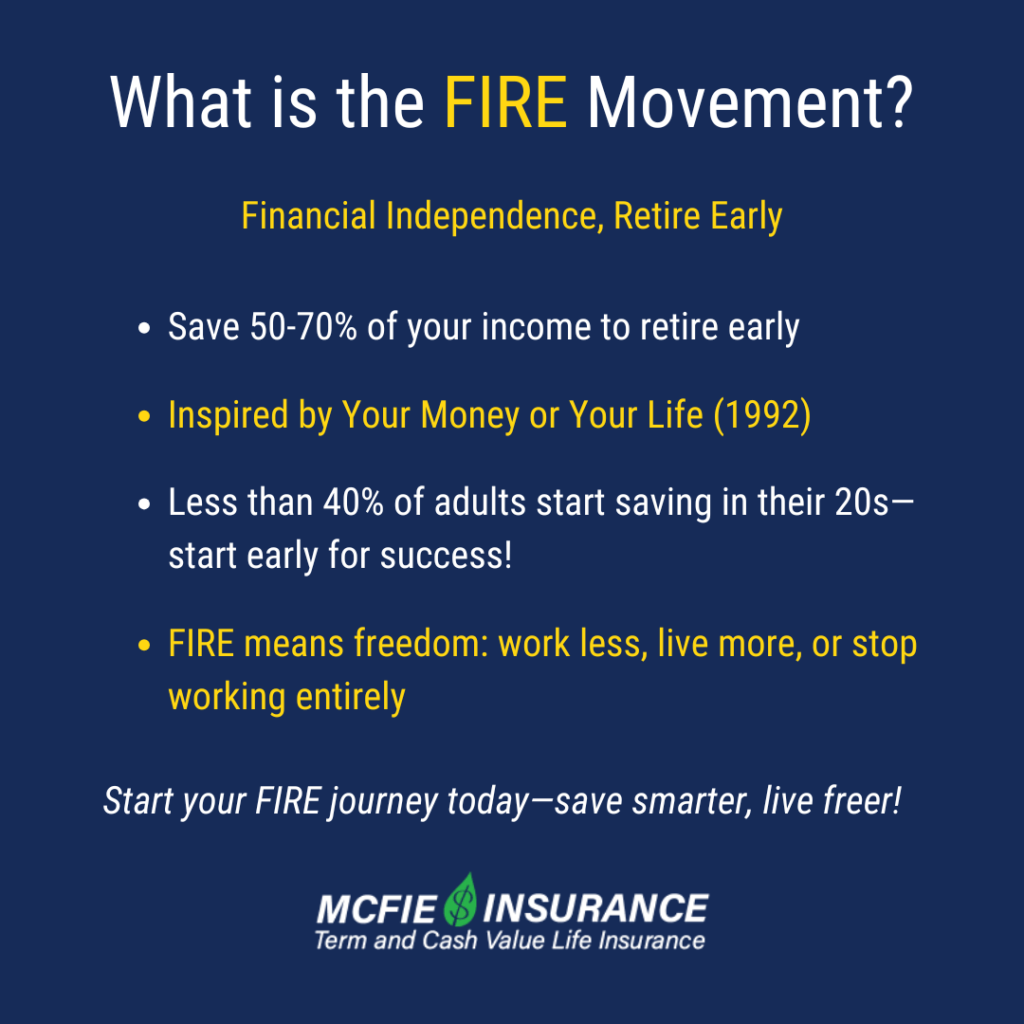
In essence, the FIRE movement offers a compelling roadmap for those seeking control over their financial destinies. It’s a testament to the power of informed decisions, disciplined habits, and a clear vision for the future. From understanding the core tenets to embracing the lifestyle adjustments, the journey toward financial independence and early retirement is a deeply personal one. As you’ve seen, the FIRE movement encourages a life lived on your own terms. Remember, achieving FIRE isn’t just about the numbers; it’s about crafting a life of purpose, freedom, and fulfillment.