What is a budget deficit in personal finance? It’s a question that can feel a bit daunting, like staring into a financial abyss. But don’t worry, it’s actually a pretty straightforward concept: it simply means you’re spending more money than you’re bringing in. Think of it as a financial imbalance – your outflows exceeding your inflows. We’re going to unpack this, step by step, making sure you grasp the fundamentals without feeling overwhelmed. We’ll look at the core definition, explore some real-life scenarios where deficits pop up, and clarify how a deficit differs from plain old debt.
Imagine your monthly income as the water flowing into a bathtub and your expenses as the water draining out. A budget deficit is when the drain is open too wide, and the tub empties faster than it fills. This financial imbalance can arise from a variety of sources, ranging from unforeseen medical bills, a job loss, or perhaps a period of overspending fueled by impulse purchases. Understanding these triggers is the first step toward regaining control. We will also delve into how deficits relate to debt, since they often go hand in hand, like a pair of mismatched socks. Let’s get started on understanding how to identify, address, and prevent these situations.
Understanding the Fundamental Concept of a Budget Deficit in Personal Finances is crucial for effective money management

Knowing how to manage your money effectively is a key skill, and a cornerstone of that skill is understanding the concept of a budget deficit. Simply put, it’s a critical element in personal finance, impacting your ability to save, invest, and achieve your financial goals. Ignoring a budget deficit can lead to serious financial trouble, so grasping the basics is essential.
Defining a Budget Deficit
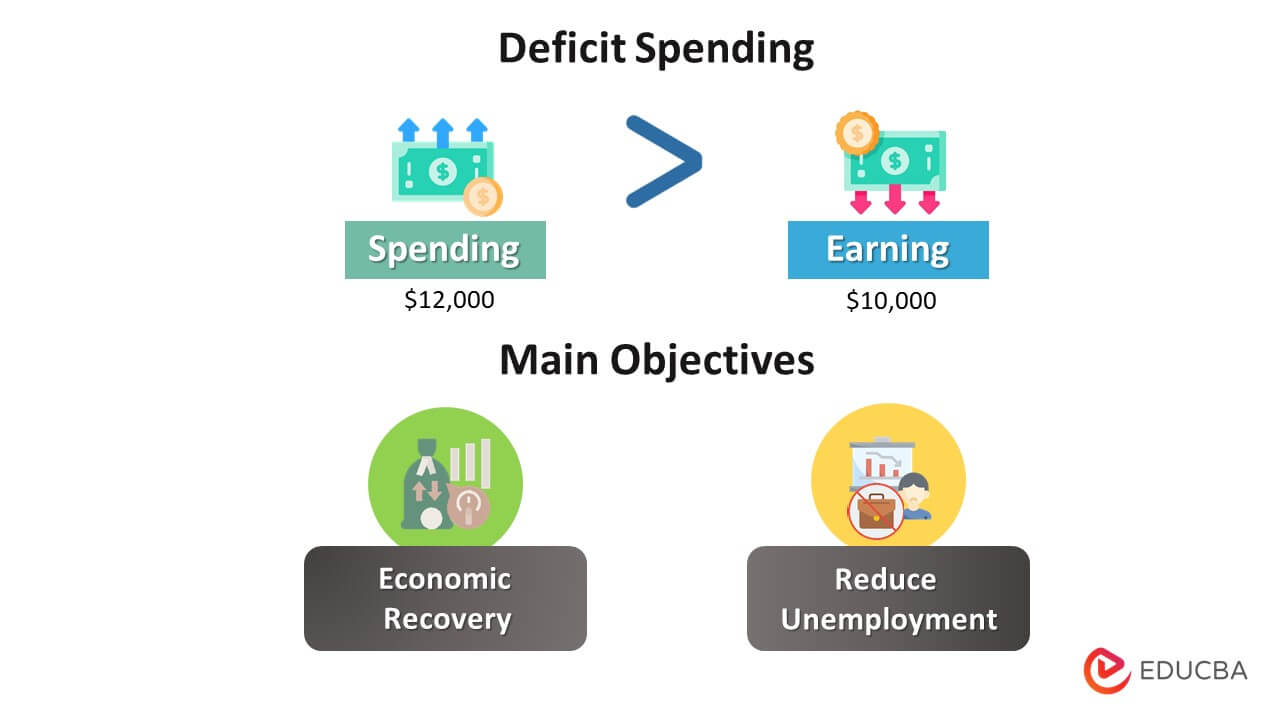
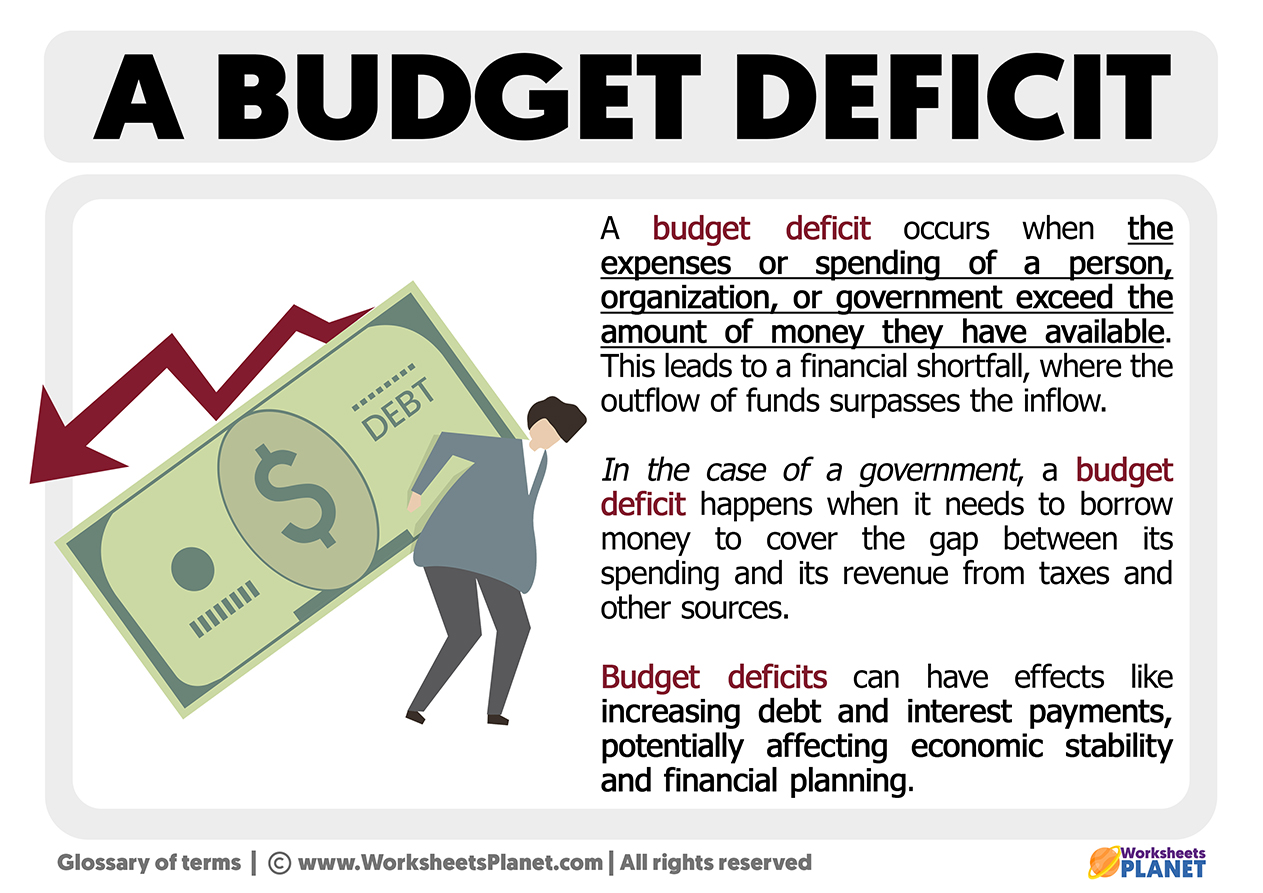
A budget deficit occurs when your expenses exceed your income over a specific period, usually a month or a year. Think of it like this: you have a pot of money coming in (your income), and you have expenses that take money out of the pot. If the amount going out is greater than the amount coming in, you have a deficit.
Let’s break it down further. Income includes all the money you receive: your salary, wages, income from investments, and any other regular sources of cash. Expenses cover everything you spend money on: rent or mortgage payments, groceries, transportation, utilities, entertainment, and debt payments.
To calculate your budget deficit, you subtract your total expenses from your total income.
Income – Expenses = Budget Deficit (or Surplus if the result is positive)
If the result is a negative number, that’s your budget deficit. It indicates that you spent more than you earned. This isn’t a one-time occurrence, a persistent budget deficit can lead to mounting debt and financial instability. For instance, if you earn $3,000 a month and your expenses total $3,500, you have a deficit of $500. This $500 shortfall needs to be covered somehow, typically through borrowing or dipping into savings.
Financial Situations Leading to a Budget Deficit
Several common situations can easily push you into a budget deficit. Understanding these potential pitfalls is the first step toward avoiding them.
One significant factor is unexpected medical bills. A sudden illness or injury can lead to substantial medical expenses, which may not be fully covered by insurance. Imagine a scenario where a family has a monthly income of $4,000, and their regular expenses (rent, food, utilities, etc.) total $3,800, leaving them with a $200 surplus. If one family member experiences an unexpected medical emergency requiring a $1,000 hospital stay, that surplus vanishes and turns into a $800 deficit.
Job loss is another major cause. Losing your primary source of income can immediately create a deficit. Consider a person who earns $5,000 per month and has fixed expenses of $4,500. Losing their job removes their income stream, and unless they have significant savings or quickly find new employment, they will quickly fall into a deficit. They’ll need to use their savings, borrow money, or reduce spending drastically to cover their expenses.
Other scenarios that can contribute to a deficit include:
- Unforeseen Home Repairs: A burst pipe, a leaky roof, or a broken appliance can result in costly repairs that weren’t budgeted for.
- Increased Cost of Living: Inflation can drive up the prices of essential goods and services, such as groceries and gasoline, increasing your expenses without a corresponding increase in income.
- Poor Financial Planning: Overspending, impulse purchases, and failing to create a budget can lead to expenses exceeding income.
Budget Deficit vs. Debt
It’s important to understand the relationship between a budget deficit and debt. A budget deficit *leads* to debt if not addressed promptly. When you spend more than you earn, you need to find a way to cover the shortfall. This is often done by borrowing money, using credit cards, taking out a loan, or using your savings.
Debt is the amount of money you owe to others. A budget deficit *creates* debt because it forces you to borrow to cover the difference between your income and your expenses.
Here’s how they are connected:
- Budget Deficit: The *situation* where your expenses are greater than your income.
- Debt: The *result* of covering the deficit, which involves borrowing money or drawing down savings.
For instance, if you have a budget deficit of $300 each month and you cover it by using your credit card, your credit card debt increases by $300 each month. Over time, this can lead to a significant accumulation of debt. Conversely, a budget surplus (where income exceeds expenses) allows you to pay down debt, save money, or invest. The key takeaway is that managing a budget deficit is essential to prevent accumulating debt.
Identifying the Root Causes of a Personal Finance Budget Deficit is the first step towards recovery: What Is A Budget Deficit In Personal Finance

Understanding the reasons behind a budget deficit is essential for regaining financial control. Identifying the root causes allows for targeted solutions and prevents future occurrences. Recognizing these underlying issues is the cornerstone of building a sustainable financial plan.
Overspending and Financial Planning Deficiencies
A significant contributor to budget deficits is overspending, often stemming from impulse purchases and inadequate financial planning. When spending exceeds income, a deficit is inevitable. This can be a vicious cycle, where a lack of planning leads to impulsive decisions, further exacerbating the problem.
Impulse purchases, fueled by emotional triggers or marketing tactics, frequently derail budgets. These unplanned expenses, ranging from unnecessary gadgets to frequent dining out, quickly accumulate and erode available funds. A person might see a sale on a new gaming console and buy it, even if they hadn’t budgeted for it. Similarly, the allure of a new outfit or a tempting restaurant meal can lead to overspending. These individual instances, while seemingly small, can collectively create a substantial financial drain.
Financial planning deficiencies, on the other hand, often manifest as a failure to track expenses, create a realistic budget, or set financial goals. Without these fundamental tools, individuals are less aware of where their money is going and are therefore more susceptible to overspending. For instance, a person might not realize how much they spend on coffee each month because they haven’t been tracking their expenses. This lack of awareness makes it difficult to make informed financial decisions and stay within budget constraints. In essence, both impulse purchases and inadequate planning create a perfect storm for budget deficits, underscoring the importance of mindful spending habits and proactive financial management.
Impact of Fluctuating Income Versus Fixed Expenses
The impact of fluctuating income and fixed expenses on the likelihood of experiencing a budget deficit differs significantly. Fixed expenses, like rent or mortgage payments, remain constant, providing a predictable baseline. Fluctuating income, such as earnings from freelance work or commissions, introduces uncertainty and makes budgeting more challenging.
Fixed expenses, while predictable, can create a deficit if income consistently falls short. For example, if someone’s monthly rent is $1,500 and their income is only $1,400, a deficit is guaranteed each month. The predictability of these expenses means that deficits are easily anticipated if income levels are not sufficient. This situation necessitates careful budgeting and possibly finding ways to increase income or reduce fixed costs.
Fluctuating income presents a different set of challenges. The unpredictability makes it difficult to budget accurately. In months with high income, it’s tempting to overspend, while in months with low income, covering fixed expenses can become a struggle. Imagine a freelance graphic designer. In one month, they might earn $6,000, and in the next, only $2,000. If their fixed expenses are $3,000, they face a surplus in the first month but a deficit in the second. This scenario requires building a financial cushion, such as an emergency fund, to smooth out the income fluctuations and cover expenses during lean times. This requires a much more proactive approach to financial management, including setting aside money during high-income periods to offset potential deficits in low-income periods. Ultimately, the impact of fluctuating income hinges on the ability to anticipate and manage these variations effectively.
Lifestyle Choices and Budget Deficit Impact
Certain lifestyle choices have a direct impact on the likelihood of creating a budget deficit. These choices can be categorized to illustrate their financial consequences.
| Lifestyle Choice | Description | Potential Impact on Budget Deficit | Example |
|---|---|---|---|
| Dining Out and Entertainment | Frequent restaurant visits, concerts, and other leisure activities. | Increased spending on non-essential items, exceeding budgeted amounts. | Eating out at restaurants twice a week instead of cooking at home, adding $200-$400 to the monthly expenses. |
| Subscription Services | Numerous subscriptions for streaming services, magazines, or other digital content. | Accumulation of small, recurring expenses that can add up significantly over time. | Subscribing to five streaming services, costing $75 per month, which could be reduced by canceling unused subscriptions. |
| Transportation Choices | Owning a car versus using public transportation, ride-sharing, or cycling. | Higher expenses on fuel, maintenance, insurance, and loan payments associated with car ownership. | Driving a car for daily commute, costing $300-$500 monthly on gas, insurance, and maintenance compared to public transport at $100-$200. |
| Shopping Habits | Impulse purchases, frequent shopping, and a preference for brand-name items. | Overspending on discretionary items and exceeding the allocated budget for clothing, accessories, or other non-essential goods. | Buying new clothes every month without considering the budget, spending $300-$500 per month compared to a budget of $100. |
The Negative Consequences of a Persistent Budget Deficit can seriously impact your overall financial well-being
A budget deficit, when left unaddressed, can create a ripple effect, causing significant damage to your financial health. It’s not just about spending more than you earn; it’s about the long-term implications that can make it increasingly difficult to achieve your financial goals and maintain a stable lifestyle. Ignoring a deficit can lead to a cycle of debt, damaged credit, and emotional distress.
Increased Debt from a Prolonged Budget Deficit
A consistent budget deficit forces you to find ways to cover the shortfall. This often involves taking on more debt. This debt accumulation can happen in several ways, and the longer the deficit persists, the more severe the consequences become.
One common way a deficit leads to increased debt is through credit card usage. When your expenses exceed your income, you might turn to your credit cards to pay bills, buy groceries, or cover unexpected costs. Initially, this may seem like a convenient solution, but it quickly becomes problematic. Credit card interest rates are typically high, and the interest charges accumulate rapidly. For example, if you consistently charge $500 per month to your credit card at an 18% annual interest rate and only make the minimum payment, you could end up paying thousands of dollars in interest over time, and it could take years to pay off the balance. This, in turn, can further strain your budget, as more of your income is allocated to debt repayment, leaving less for essential expenses or savings.
Loans, both secured and unsecured, are another avenue through which deficits can escalate debt. Personal loans, often used to consolidate debt or cover emergency expenses, come with their own set of interest rates and repayment terms. Similarly, if you require a car, a home, or a major appliance, the deficit can make it more challenging to qualify for loans. Even if you do qualify, you might be offered less favorable terms, such as higher interest rates, because lenders perceive you as a higher-risk borrower. Furthermore, a persistent deficit can lead to taking out payday loans or other high-interest short-term loans, which have extremely high interest rates and fees. These loans are designed to be difficult to repay, leading to a vicious cycle of debt.
Budget Deficit Effects on Credit Scores and Future Borrowing
A persistent budget deficit can significantly damage your credit score, creating obstacles to future borrowing and financial opportunities. The impact on your credit score stems from several factors related to how you manage your finances when you’re consistently overspending.
One of the most direct impacts is late or missed payments on credit cards, loans, or other financial obligations. When you’re running a deficit, it becomes more difficult to make timely payments. Each late payment is reported to the credit bureaus and can significantly lower your credit score. For example, a single 30-day late payment can decrease your credit score by 60 to 110 points, depending on your current score. This can make it difficult to get approved for new credit cards, loans, or even rent an apartment.
High credit utilization, or the amount of credit you’re using compared to your total available credit, is another consequence of a budget deficit that hurts your credit score. If you’re constantly relying on credit cards to cover expenses, you’ll likely be using a large percentage of your available credit. Credit utilization is a significant factor in your credit score calculation. Ideally, you should aim to keep your credit utilization below 30%. However, if you’re consistently overspending, you may be using 50%, 70%, or even 100% of your available credit, which negatively impacts your score. For instance, if you have a credit card with a $5,000 limit and you’re consistently carrying a balance of $4,000, your credit utilization is 80%, severely damaging your score.
A budget deficit can also make it harder to get approved for new loans or lines of credit in the future. Lenders will evaluate your creditworthiness, including your credit score, payment history, and debt-to-income ratio (DTI). A high DTI, which indicates a large percentage of your income is used to pay off debt, makes you a higher-risk borrower. If you’re struggling with a deficit and have high credit utilization, lenders will see you as a risky borrower and may deny your loan application. This can hinder your ability to finance a home, car, or even a small business.
Psychological Effects of Struggling with a Budget Deficit
The emotional toll of a persistent budget deficit can be significant, impacting your mental well-being and overall quality of life. The constant stress and anxiety associated with financial struggles can lead to a variety of psychological effects.
- Stress: Constantly worrying about how to pay bills, cover expenses, and manage debt creates chronic stress. This stress can manifest in physical symptoms like headaches, fatigue, and digestive problems, as well as emotional symptoms like irritability and difficulty concentrating.
- Anxiety: The fear of not being able to meet financial obligations, the uncertainty about the future, and the pressure of debt can lead to anxiety. This anxiety can range from mild nervousness to full-blown panic attacks, significantly impacting your daily life.
- Depression: The feeling of being trapped in a cycle of debt, the shame associated with financial struggles, and the isolation that can result from avoiding social activities can contribute to depression. This can lead to a loss of interest in activities you once enjoyed, feelings of hopelessness, and a general sense of sadness.
- Sleep Disturbances: Financial stress can disrupt sleep patterns, leading to insomnia or difficulty sleeping. The constant worry about money can keep you awake at night, leading to fatigue and reduced productivity during the day.
- Relationship Strain: Financial problems can put a strain on relationships with family members and friends. Arguments about money, disagreements over spending habits, and the pressure of financial burdens can damage relationships and create conflict.
- Feelings of Shame and Guilt: Struggling with a budget deficit can lead to feelings of shame and guilt. You might feel embarrassed about your financial situation, which can make it difficult to seek help or discuss your problems with others.
Strategies for Overcoming a Personal Finance Budget Deficit require careful planning and discipline
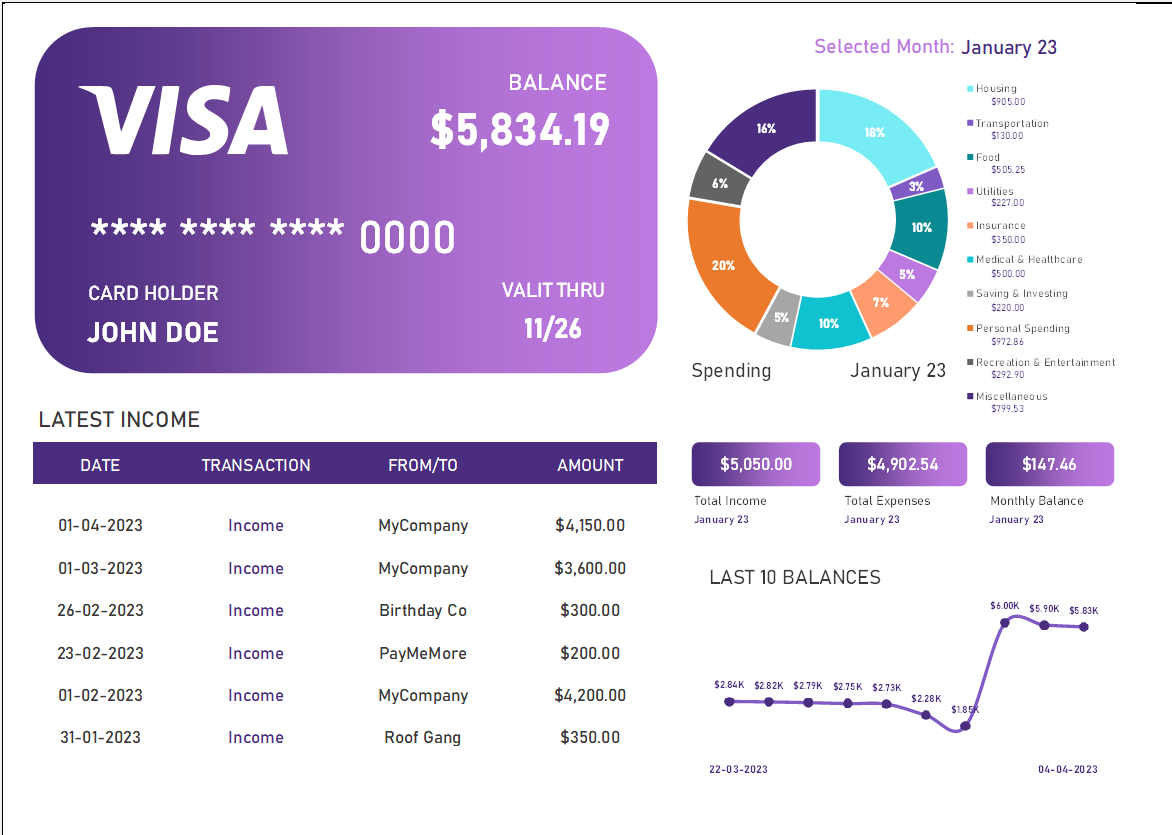
Tackling a budget deficit head-on necessitates a proactive and well-structured approach. This involves a commitment to understanding your financial situation, making informed decisions, and consistently monitoring your progress. The strategies Artikeld below provide a roadmap for regaining control of your finances and achieving long-term financial stability.
Creating a Realistic Budget That Tracks Income and Expenses
Developing a budget is the cornerstone of effective money management. It provides a clear picture of your financial inflows and outflows, enabling you to identify areas for improvement and make informed decisions about your spending. Accuracy is paramount; a budget based on guesswork will likely fail.
Here’s how to create a realistic budget:
- Calculate Your Total Income: Begin by documenting all sources of income. This includes your salary, wages, any freelance income, investment returns, and any other regular income you receive. Be sure to use your *net* income (the amount you actually take home after taxes and deductions).
- Track Your Expenses: This is where many people struggle, but it’s crucial. For at least a month, meticulously track every expense. Use budgeting apps, spreadsheets, or even a notebook to record every transaction, no matter how small. Categorize your expenses (e.g., housing, transportation, food, entertainment, utilities, debt payments).
- Categorize Your Expenses: Grouping expenses into categories makes it easier to analyze your spending habits. Common categories include:
- Fixed Expenses: These are expenses that typically stay the same each month, such as rent or mortgage payments, car payments, and insurance premiums.
- Variable Expenses: These expenses fluctuate from month to month, such as groceries, dining out, and entertainment.
- Discretionary Expenses: These are expenses that are not essential, such as entertainment, travel, and non-essential shopping.
- Analyze Your Spending: Once you have a month’s worth of expense data, review each category. Identify areas where you are overspending or where you can realistically cut back.
- Set Realistic Spending Limits: Based on your income and expense analysis, create spending limits for each category. Ensure your total expenses do not exceed your total income. If they do, you have a budget deficit, and you need to adjust your spending or find ways to increase your income.
- Monitor and Adjust: Regularly review your budget (at least monthly) to track your progress and make adjustments as needed. Life changes, and your budget should too.
Consider using the 50/30/20 rule: 50% of your income for needs, 30% for wants, and 20% for savings and debt repayment.
This approach, when followed diligently, will allow you to gain control of your finances.
Identifying Areas Where Spending Can Be Reduced
Once you’ve created a budget and understand where your money is going, the next step is to identify areas where you can cut back on spending. This process requires a critical examination of your expenses and a willingness to make adjustments to your lifestyle. The goal is to free up funds to cover your budget deficit and move towards financial stability.
Here’s a structured approach to identifying spending cuts:
- Review Your Budget Categories: Examine each category of your budget to pinpoint potential areas for reduction. Start with variable and discretionary expenses, as these often offer the most flexibility.
- Analyze Dining Out and Entertainment: This category is a common culprit for overspending.
- Dining Out: Evaluate how often you eat out each month and the average cost per meal. Can you reduce the number of times you dine out or choose less expensive restaurants? Consider packing lunches for work and preparing more meals at home.
- Entertainment: Assess your entertainment spending, including movies, concerts, and other activities. Are there less expensive alternatives, such as free events or at-home entertainment options like streaming services?
- Assess Transportation Costs: Transportation can be a significant expense.
- Gas and Car Maintenance: Review your driving habits. Can you carpool, walk, bike, or use public transportation more often? Are there ways to reduce fuel consumption?
- Vehicle Expenses: Evaluate the cost of your car insurance and consider shopping around for better rates.
- Evaluate Housing Costs: Housing is often the largest expense.
- Rent/Mortgage: Consider if you are spending more than you can comfortably afford. This may involve a move, or a review of your mortgage.
- Utilities: Review your utility bills and look for ways to conserve energy and water.
- Scrutinize Subscriptions and Memberships: Cancel any subscriptions or memberships that you don’t use regularly. This could include streaming services, gym memberships, or subscription boxes.
- Reduce Impulse Purchases: Recognize your triggers for impulse buying and develop strategies to avoid them. Create a “waiting period” before making non-essential purchases.
- Negotiate Bills: Contact your service providers (internet, phone, etc.) and negotiate lower rates.
By implementing these strategies, you can identify and implement spending cuts that will help you close your budget deficit.
Debt Management Strategies
Managing debt effectively is critical to overcoming a budget deficit. Uncontrolled debt can lead to a cycle of interest payments and financial stress. Various debt management strategies can help you regain control of your finances and work towards financial freedom.
Here’s an overview of different debt management strategies:
- Debt Consolidation: This involves combining multiple debts into a single loan, typically with a lower interest rate.
- How it works: You take out a new loan to pay off your existing debts (credit cards, personal loans, etc.). The goal is to simplify your payments and potentially reduce your overall interest costs.
- Pros: Simplifies bill payments, potentially lowers interest rates, and can improve credit utilization (if the consolidated loan is reported to credit bureaus).
- Cons: May require good credit to qualify for a lower interest rate. If you don’t address the underlying spending habits, you could accumulate more debt.
- Example: Sarah had several credit card debts with high interest rates. She consolidated them into a personal loan with a lower fixed interest rate, reducing her monthly payments and the total interest she would pay over time.
- Balance Transfers: This involves transferring the balance of a high-interest credit card to a new credit card with a lower interest rate, often a 0% introductory rate.
- How it works: You apply for a balance transfer credit card. If approved, the card issuer pays off your existing credit card debt, and you now owe the balance to the new card.
- Pros: Can save a significant amount on interest charges, especially during the introductory period.
- Cons: Requires good credit to qualify. There may be balance transfer fees (typically 3-5% of the transferred amount). The interest rate increases after the introductory period.
- Example: John transferred a $5,000 credit card balance to a card with a 0% introductory APR for 18 months, saving him hundreds of dollars in interest.
- Debt Management Plan (DMP): A DMP is a program offered by non-profit credit counseling agencies.
- How it works: The agency negotiates with your creditors to lower your interest rates, waive fees, and create a manageable repayment plan.
- Pros: Can lower interest rates and monthly payments, and consolidate debt into a single payment.
- Cons: May require closing your credit cards. It can affect your credit score.
- Example: Maria was struggling with high credit card debt. She enrolled in a DMP, and the credit counseling agency negotiated lower interest rates with her creditors, making her debt more manageable.
- Debt Snowball Method: This involves paying off your smallest debts first, regardless of interest rate, to gain momentum and motivation.
- How it works: List your debts from smallest to largest balance. Make minimum payments on all debts except the smallest, and put any extra money towards the smallest debt until it’s paid off. Then, move on to the next smallest debt.
- Pros: Provides psychological wins that can motivate you to stay on track.
- Cons: May not be the most financially efficient method, as you’re not prioritizing high-interest debts.
- Example: David had several small debts. He focused on paying off his smallest debt first, which gave him a sense of accomplishment and motivated him to tackle the larger debts.
- Debt Avalanche Method: This involves paying off your debts with the highest interest rates first, to minimize the total interest paid.
- How it works: List your debts from highest to lowest interest rate. Make minimum payments on all debts except the one with the highest interest rate, and put any extra money towards the highest-interest debt until it’s paid off. Then, move on to the next highest-interest debt.
- Pros: Saves the most money in the long run by minimizing interest payments.
- Cons: May take longer to see results, as you’re not focusing on the smallest debts first.
- Example: Emily had a credit card with a very high interest rate. She focused on paying it off first, saving her a significant amount of money in interest payments.
These strategies, when applied strategically, can help you manage your debt and improve your financial situation.
Tools and Resources to Help Manage and Prevent Future Budget Deficits are readily available

Managing your finances effectively involves not only understanding budget deficits but also equipping yourself with the right tools and knowledge. Fortunately, a wealth of resources exists to help you stay on track and build a stronger financial future.
Free Online Budgeting Tools and Apps, What is a budget deficit in personal finance
Numerous free online budgeting tools and apps can simplify the process of tracking income and expenses, ultimately assisting in the prevention of future budget deficits. These tools offer various features to cater to different financial needs and preferences.
- Mint: Mint is a popular budgeting app that allows users to link their bank accounts and credit cards, automatically tracking transactions and categorizing them. It provides visual representations of spending habits, helping users identify areas where they can cut back. Mint also offers features like bill payment reminders and credit score monitoring.
- Personal Capital: Personal Capital is another comprehensive tool, particularly useful for those who want to manage investments alongside their budgeting. It provides a holistic view of your financial situation, including net worth, investment performance, and spending habits. Users can set financial goals and track their progress.
- YNAB (You Need A Budget): YNAB employs a zero-based budgeting approach, where every dollar is assigned a purpose. Users allocate their income to different categories, ensuring they are aware of where their money is going. While YNAB has a paid version, it offers a free trial and a significant amount of free educational resources.
- PocketGuard: PocketGuard focuses on simplicity and ease of use. It automatically calculates how much “safe-to-spend” money you have after accounting for bills, goals, and savings. This helps users avoid overspending and stay within their budget.
- Goodbudget: Goodbudget uses the envelope budgeting system, where you allocate funds to different “envelopes” (categories) and track spending from each envelope. It’s a great option for those who prefer a more manual approach and want to visualize their budget in a straightforward way.
These tools offer a variety of benefits, including automated tracking, visual representations of spending, and goal-setting capabilities. By utilizing these resources, individuals can gain greater control over their finances and prevent future budget deficits.
Seeking Advice from a Financial Advisor or Credit Counselor
Sometimes, managing finances and preventing budget deficits can be challenging, and seeking professional guidance can be extremely beneficial. Financial advisors and credit counselors offer specialized knowledge and support to help individuals create and implement effective financial plans.
- Financial Advisors: Financial advisors provide comprehensive financial planning services, including budgeting, investment management, retirement planning, and tax planning. They can help you create a personalized budget, identify areas for improvement, and develop strategies to achieve your financial goals. They often work with individuals to build a long-term financial plan.
- Credit Counselors: Credit counselors specialize in helping individuals manage debt and improve their credit scores. They can provide debt management plans, negotiate with creditors, and offer guidance on budgeting and financial education. They often work with individuals struggling with debt to create a plan to pay it off.
- How They Can Assist in Creating a Plan: Both financial advisors and credit counselors begin by assessing your current financial situation, including your income, expenses, debts, and assets. They then work with you to create a detailed budget, identify areas where you can reduce spending, and develop a plan to pay off debt or achieve your financial goals. They provide ongoing support and guidance to help you stay on track.
- Benefits of Professional Guidance: Working with a financial advisor or credit counselor can provide several benefits, including:
- Objective advice: Professionals can offer an unbiased perspective on your financial situation.
- Expert knowledge: They have in-depth knowledge of financial products and strategies.
- Personalized plans: They create customized plans tailored to your specific needs and goals.
- Accountability: They provide ongoing support and help you stay accountable to your financial goals.
Seeking professional advice can be a valuable investment in your financial well-being. Financial advisors and credit counselors can provide the expertise and support you need to manage your finances effectively and prevent future budget deficits.
Resources Available for Financial Literacy Education
Improving financial literacy is crucial for effective money management and preventing budget deficits. Several resources are available to help individuals gain a better understanding of financial concepts and build essential skills.
- Workshops: Numerous organizations offer financial literacy workshops, often free or low-cost. These workshops cover a wide range of topics, including budgeting, saving, debt management, and investing. They provide a structured learning environment and allow participants to interact with instructors and other attendees. Local libraries, community centers, and non-profit organizations often host these workshops.
- Online Courses: Online courses offer a convenient and flexible way to learn about personal finance. Platforms like Coursera, edX, and Khan Academy provide free or low-cost courses on various financial topics. These courses often include videos, quizzes, and assignments, allowing learners to progress at their own pace. Some courses may even offer certificates of completion.
- Books and Articles: Numerous books and articles are available on personal finance, covering topics such as budgeting, investing, and retirement planning. Reading these resources can help you expand your knowledge and learn from the experiences of others. Personal finance websites and blogs also offer valuable information and tips.
- Government Resources: Government agencies, such as the Consumer Financial Protection Bureau (CFPB), provide a wealth of information and resources on personal finance. Their websites offer articles, guides, and tools to help consumers make informed financial decisions.
By utilizing these resources, individuals can improve their financial literacy, gain a better understanding of financial concepts, and make more informed decisions about their money. This knowledge can empower them to manage their finances effectively and prevent future budget deficits.
Building Positive Financial Habits to Avoid Future Budget Deficits requires consistent effort
Developing sound financial habits is key to steering clear of budget deficits in the future. It’s not just about cutting expenses; it’s about proactively building a financial foundation that supports your long-term goals and provides a buffer against unexpected events. This involves a shift in mindset, a commitment to consistent action, and the adoption of strategies that prioritize financial health.
The Importance of Saving Regularly
Establishing a habit of saving, even if the amounts are small initially, is vital for building a financial safety net. This safety net acts as a cushion, protecting you from the financial shocks that can easily throw your budget off balance.
Regular saving is about more than just accumulating money; it’s about developing discipline and fostering a proactive approach to your finances. The benefits extend beyond just the financial aspect, as they contribute to a sense of security and reduce stress related to money.
Here’s why consistent saving matters:
- Emergency Fund: A dedicated emergency fund is your first line of defense. It covers unexpected expenses like medical bills, car repairs, or job loss. Aim to save at least three to six months’ worth of living expenses. For example, if your monthly expenses are $3,000, your emergency fund should ideally hold between $9,000 and $18,000.
- Debt Reduction: Savings can provide the funds needed to pay off high-interest debt, like credit card balances. Paying down debt saves you money on interest payments and frees up cash flow.
- Future Investments: Regular savings can be invested to grow your wealth over time. Investing in the stock market, real estate, or other assets can provide returns that outpace inflation.
- Financial Flexibility: Savings offer flexibility and options. They allow you to take advantage of opportunities, such as a down payment on a house or funding further education.
Starting small is perfectly acceptable. The important thing is to begin and make saving a consistent part of your routine. Set up automatic transfers from your checking account to your savings account to make it effortless. Over time, as your income increases, you can gradually increase the amount you save. The earlier you start, the more time your money has to grow, thanks to the power of compounding.
Distinguishing Needs and Wants
Making informed spending decisions requires the ability to differentiate between needs and wants. This skill is fundamental to managing your budget effectively and preventing unnecessary overspending.
Needs are essential for survival and basic well-being, such as food, housing, and utilities. Wants, on the other hand, are non-essential items or services that enhance your lifestyle but are not crucial for survival. Recognizing the distinction between the two allows you to prioritize your spending and make conscious choices about where your money goes.
Here’s how to effectively distinguish between needs and wants:
- Assess Your Core Requirements: Begin by listing your essential needs. These include things like rent or mortgage payments, groceries, transportation costs (like gas or public transit), healthcare expenses, and utility bills.
- Evaluate Each Purchase: Before making a purchase, ask yourself if it’s a need or a want. Does it address a basic requirement, or is it something you can live without? For example, a new smartphone might be a want, while a reliable phone for communication is a need.
- Create a Budget and Track Spending: A budget helps you allocate funds to your needs and allocate a smaller portion to your wants. Tracking your spending allows you to see where your money is going and identify areas where you might be overspending on wants.
- Delay Purchases: Before buying a want, consider waiting a week or a month. Often, the urge to buy something fades over time. This gives you time to reflect on whether the purchase is truly necessary.
- Consider Alternatives: Before buying a want, explore alternative options. For example, instead of eating out, cook meals at home. Instead of buying new clothes, consider secondhand options.
By consciously distinguishing between needs and wants, you can make smarter financial decisions. This can lead to reduced spending, increased savings, and improved financial well-being. It is about making informed choices that align with your financial goals.
Fictional Scenario: Sarah, a 32-year-old marketing professional, found herself deeply in debt and facing a persistent budget deficit. She was spending more than she earned, primarily due to impulse purchases and a lack of budgeting. She decided to make a change. First, Sarah created a detailed budget, tracking every expense. She realized she was spending a significant amount on eating out and entertainment. Next, she identified her needs and wants, cutting back drastically on the latter. She canceled subscriptions she rarely used and started packing her lunch. She then tackled her debt, starting with the highest-interest credit card. Sarah set up automatic transfers to a savings account, building an emergency fund. She also started researching investment options. After a year of consistent effort, Sarah had paid off her credit card debt, built a small emergency fund, and was starting to invest. She felt a significant reduction in stress and a newfound sense of control over her finances. Her initial budget deficit had transformed into a surplus, allowing her to plan for the future with confidence.
Last Word
So, we’ve journeyed through the intricacies of a budget deficit, from its basic definition to the strategies needed to get back on track. We’ve seen how deficits can sneak up on us, the problems they can cause, and, most importantly, the actionable steps we can take to conquer them. Remember, building solid financial habits isn’t a race; it’s a marathon. It involves making smart choices, creating a realistic plan, and staying disciplined. By utilizing the tools and resources available, you can turn a budget deficit into a distant memory and create a more secure financial future. With knowledge and a bit of effort, you can turn your financial ship around, and set sail toward a brighter, more secure financial horizon.