How to calculate effective tax rate is more than just a number; it’s a financial compass guiding you through the often-complex world of taxes. Think of it as your personal financial snapshot, revealing the true percentage of your income you’re paying in taxes. While the term might sound intimidating, grasping this concept is surprisingly straightforward and incredibly valuable. This guide will peel back the layers, transforming complex tax jargon into actionable insights. We’ll explore the what, why, and how of the effective tax rate, equipping you with the knowledge to make informed decisions about your finances and understand how your money truly works.
Understanding the effective tax rate means diving deep into its fundamentals, from its core definition to contrasting it with the marginal tax rate, revealing how each impacts your income differently. We’ll walk you through real-world scenarios, step-by-step calculations, and easy-to-understand examples, making sure you grasp every aspect. You’ll learn how to identify the necessary components, gather the required information from tax forms, and apply the precise formula. You’ll also learn the effect of tax deductions and credits and how to navigate the progressive tax system and tax brackets. By the end, you’ll be able to calculate your own effective tax rate with confidence and use it to your advantage.
Understanding the Fundamental Concept of Effective Tax Rate is essential for financial literacy.
It’s crucial to grasp the effective tax rate to navigate the financial world confidently. This understanding empowers you to make informed decisions about your money, from investments to retirement planning. Knowing this rate provides a clearer picture of your actual tax burden compared to other tax metrics.
Defining and Contrasting Effective Tax Rate and Marginal Tax Rate
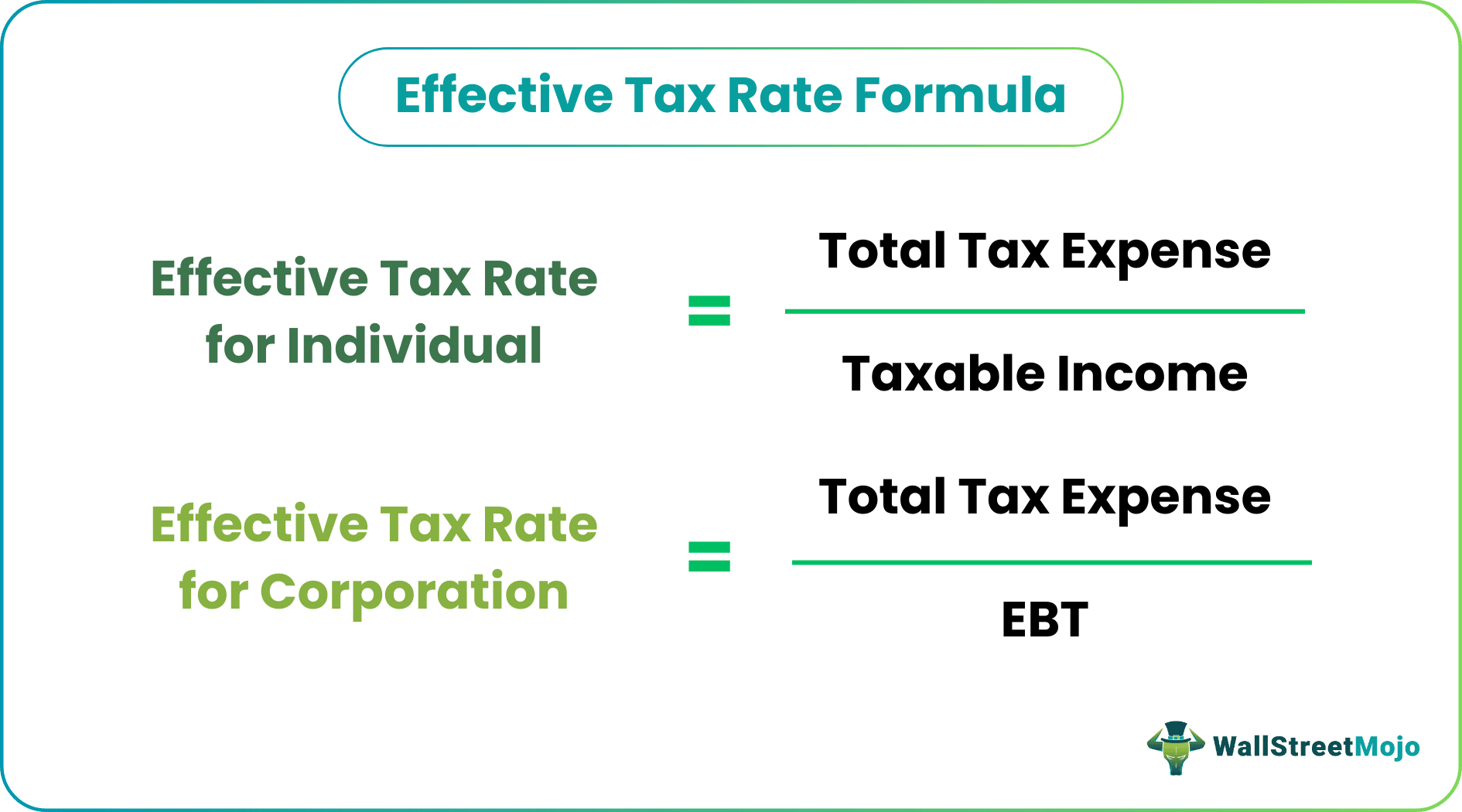
The effective tax rate represents the average rate at which your income is taxed. It’s calculated by dividing the total taxes you’ve paid by your total taxable income. This single percentage provides a comprehensive view of your overall tax liability. The effective tax rate considers all sources of income and all taxes paid, offering a holistic perspective.
The marginal tax rate, on the other hand, refers to the tax rate applied to your *last* dollar of taxable income. The U.S. uses a progressive tax system, meaning the more you earn, the higher the tax bracket you fall into, and the higher the marginal tax rate on the additional income. For instance, if you’re in the 22% tax bracket, the marginal tax rate on any extra earnings will be 22%. However, this doesn’t mean you pay 22% on your *entire* income. Only the portion of your income that falls within that bracket is taxed at that rate. The effective tax rate offers a more accurate view of your overall tax obligation.
Let’s illustrate the difference. Imagine an individual earning $80,000 annually, with a marginal tax rate of 22% (hypothetically). This means the income above a certain threshold is taxed at 22%. However, the *effective* tax rate would be lower because it accounts for the different tax brackets. It’s the total taxes paid divided by $80,000. This is the rate that is important to consider when evaluating your overall tax situation.
Calculating Effective Tax Rate: A Real-World Scenario
Let’s consider Sarah, a single filer in 2023. Her gross income is $90,000. She contributes $6,000 to a 401(k) plan, and she takes the standard deduction of $13,850. The standard deduction is a set amount that taxpayers can subtract from their gross income to arrive at their taxable income.
Here’s how we’ll break down Sarah’s effective tax rate calculation:
1. Calculate Taxable Income: First, we subtract her 401(k) contribution and the standard deduction from her gross income.
* Gross Income: $90,000
* 401(k) Contribution: $6,000
* Standard Deduction: $13,850
* Taxable Income: $90,000 – $6,000 – $13,850 = $70,150
2. Determine Tax Liability: Next, we need to determine Sarah’s tax liability based on the 2023 tax brackets for single filers. We’ll use the tax brackets to calculate her tax obligation.
* 10% on income up to $10,950
* 12% on income between $10,951 and $46,275
* 22% on income between $46,276 and $70,150
* Tax on the first $10,950: $1,095
* Tax on income between $10,951 and $46,275: ($46,275 – $10,951) \* 0.12 = $4,239
* Tax on income between $46,276 and $70,150: ($70,150 – $46,276) \* 0.22 = $5,256.28
* Total Tax Liability: $1,095 + $4,239 + $5,256.28 = $10,590.28
3. Calculate Effective Tax Rate: Finally, we divide her total tax liability by her taxable income.
* Effective Tax Rate: ($10,590.28 / $70,150) \* 100 = 15.1%
Here’s a table summarizing Sarah’s income and tax calculations:
| Income Bracket | Taxable Income | Tax Paid |
|---|---|---|
| $0 – $10,950 | $10,950 | $1,095.00 |
| $10,951 – $46,275 | $35,324 | $4,238.88 |
| $46,276 – $70,150 | $23,874 | $5,256.40 |
| Total | $70,150 | $10,590.28 |
This calculation shows that, even though Sarah’s marginal tax rate is 22%, her effective tax rate is 15.1%. This reflects the impact of the progressive tax system and deductions.
Significance in Personal Financial Planning
Understanding your effective tax rate is vital for informed financial decision-making. It enables you to make smart choices.
* Investment Planning: Knowing your effective tax rate helps you assess the after-tax returns of different investments. For example, if you’re in a higher tax bracket, tax-advantaged accounts like Roth IRAs or 401(k)s may be more beneficial than taxable investment accounts. You can estimate the true return on an investment by factoring in the taxes you’ll pay on the gains.
* Retirement Savings: You can determine how much you need to save for retirement. This rate can help you estimate your tax liability in retirement and adjust your savings accordingly. This rate informs how much you need to save to meet your retirement goals.
* Budgeting and Financial Goal Setting: Understanding your effective tax rate gives you a realistic view of your disposable income. By knowing how much of your income is taken by taxes, you can create a more accurate budget and set achievable financial goals, such as saving for a down payment on a house or paying off debt. This rate allows for better financial planning.
Identifying the Necessary Components to Calculate the Effective Tax Rate is a critical skill.
To truly grasp your financial obligations and make informed decisions, knowing how to calculate your effective tax rate is a must. This rate gives you a clear picture of the percentage of your income you actually pay in taxes, offering a more realistic view than just looking at your marginal tax bracket. Understanding the components that feed into this calculation is the first step toward achieving this financial clarity.
Essential Elements for Effective Tax Rate Calculation
The effective tax rate calculation hinges on a few key pieces of information. It’s like a recipe; without the right ingredients, you won’t get the desired outcome. The core components are taxable income and total taxes paid. Let’s break down each one.
First, you need to determine your *taxable income*. This isn’t simply your gross income. It’s the amount of income that’s actually subject to taxation after you’ve taken into account any deductions and credits you’re eligible for. Deductions can lower your taxable income, potentially moving you into a lower tax bracket. Credits, on the other hand, directly reduce the amount of tax you owe. Think of it this way: deductions shrink the size of the pie (your taxable income), while credits cut slices off the pie (your tax bill). For instance, if you earn \$75,000 and have \$10,000 in deductions, your taxable income becomes \$65,000.
Second, you need to identify your *total taxes paid*. This is the sum of all the taxes you’ve paid throughout the year to federal, state, and local governments. This figure is typically found on your tax return. It’s the total amount you’re actually handing over to Uncle Sam and your local authorities.
Finally, consider any *applicable tax deductions or credits*. These are your secret weapons for potentially lowering your tax burden. Tax deductions, as mentioned before, reduce your taxable income. Examples include deductions for student loan interest, contributions to a traditional IRA, or certain medical expenses. Tax credits, which are even more valuable, directly reduce the amount of tax you owe. Examples include the child tax credit, the earned income tax credit, and education credits.
The formula for calculating the effective tax rate is straightforward:
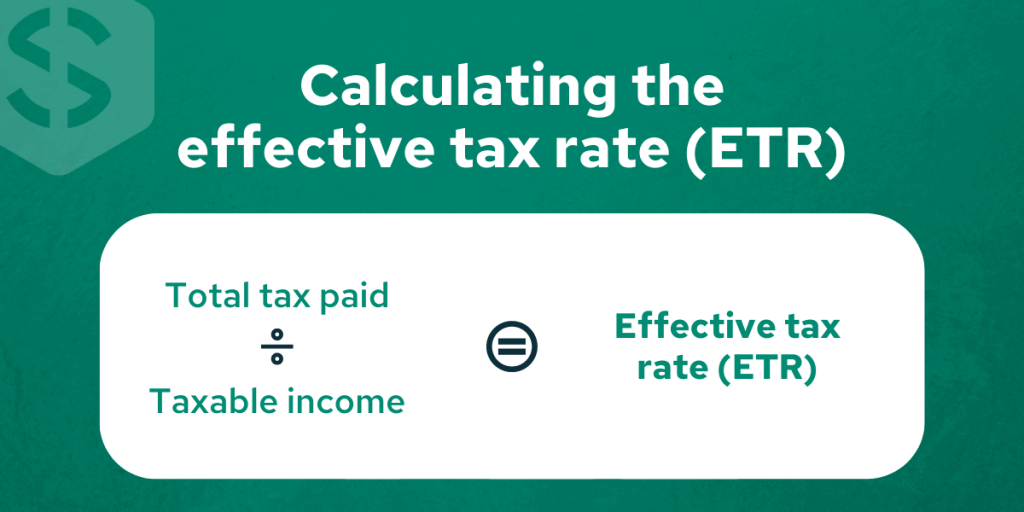
Effective Tax Rate = (Total Taxes Paid / Taxable Income) * 100
This formula provides the percentage of your taxable income that goes towards taxes. For example, if your taxable income is \$60,000 and you paid \$7,500 in taxes, your effective tax rate is 12.5% ((\$7,500 / \$60,000) * 100 = 12.5%). This calculation is vital for understanding your overall tax burden and making informed financial decisions. It gives you a clear picture of how much of your earnings are going towards taxes, helping you budget and plan more effectively.
Types of Income Included in Effective Tax Rate Calculations
Different types of income are treated differently for tax purposes, but all generally contribute to your overall tax liability. Here’s a look at the most common types.
Understanding the classification of different income sources is crucial for accurately calculating your effective tax rate.
- Wages and Salaries: This is the most common type of income for many people. It includes your gross pay from your job, before any deductions for taxes, retirement contributions, or other benefits. The full amount of wages and salaries is generally subject to income tax.
- Investment Income: This encompasses income from investments, such as dividends, interest, and capital gains. Dividends and interest are usually taxed as ordinary income. Capital gains, which are profits from the sale of assets like stocks or real estate, can be taxed at different rates depending on how long you held the asset. Short-term capital gains (assets held for one year or less) are taxed at your ordinary income tax rate, while long-term capital gains (assets held for more than one year) are often taxed at a lower rate.
- Self-Employment Income: If you’re self-employed, this includes your net earnings from your business or profession. You’ll calculate this by subtracting your business expenses from your gross income. Self-employment income is subject to both income tax and self-employment tax (which covers Social Security and Medicare taxes).
- Retirement Income: Income from retirement accounts, such as 401(k)s and traditional IRAs, is generally taxable when you withdraw it in retirement. However, contributions to these accounts may have been tax-deductible in the years you made them, which can impact your overall tax liability. Roth IRA withdrawals are generally tax-free.
- Other Income: Other income sources, such as unemployment benefits, alimony (if applicable, depending on the divorce agreement date), and gambling winnings, are also usually taxable.
Steps for Gathering Information for Effective Tax Rate Calculation
Collecting the necessary information might seem daunting, but it’s a straightforward process. Here’s a step-by-step guide to help you gather what you need.
To accurately compute your effective tax rate, you need to collect all the necessary financial documentation. This is like assembling all the pieces of a puzzle to get the complete picture.
- Gather Your Tax Forms: The first place to start is your tax return from the previous year. You’ll need your Form 1040 (U.S. Individual Income Tax Return) and any supporting schedules. Your Form 1040 provides the key figures for your taxable income and total taxes paid. Schedules A, B, C, D, and others provide detailed information on deductions, income sources, and other relevant items.
- Locate Your W-2 Forms: These forms, provided by your employer(s), report your wages or salary, along with the amount of taxes withheld from your paycheck throughout the year. Your W-2 forms will be crucial for verifying the wages and taxes you reported on your tax return.
- Review 1099 Forms: If you receive income from sources other than your employer, such as interest, dividends, or self-employment income, you’ll receive a 1099 form. These forms report the income you received and any taxes withheld. Review these forms carefully to ensure you’ve included all income sources in your calculation. For instance, a 1099-INT form will show you the interest you earned on your savings account. A 1099-DIV form will report the dividends you received from your stocks.
- Examine Financial Statements: Your financial statements, such as bank statements and investment account statements, can provide additional information on your income and expenses. These statements can help you identify sources of income, such as interest or dividends, and may also provide documentation for certain deductions, such as charitable contributions.
- Calculate and Verify: Once you’ve gathered all the necessary documents, carefully calculate your taxable income and total taxes paid. Then, use the formula mentioned earlier to calculate your effective tax rate. Double-check your figures to ensure accuracy. If you’re unsure about any of the figures, consider consulting a tax professional.
Describing the Formula for Calculating Effective Tax Rate is paramount for accuracy.
Understanding the effective tax rate is key to grasping your true tax burden. It offers a more insightful view than just looking at your tax bracket, providing a percentage that represents the proportion of your income you actually pay in taxes. This knowledge is crucial for financial planning, comparing tax situations, and making informed decisions.
The Effective Tax Rate Formula
The effective tax rate is calculated using a straightforward formula. It’s a simple division problem, but understanding the components is essential for correct application and interpretation. Let’s break down the formula and its elements.
The formula for calculating the effective tax rate is:
Effective Tax Rate = (Total Taxes Paid / Taxable Income) * 100
Let’s dissect each part of this formula:
* Total Taxes Paid: This is the total amount of taxes an individual or entity has paid during a specific period, typically a tax year. This encompasses all federal, state, and local income taxes, as well as any other applicable taxes, like self-employment taxes. It’s the sum of all tax liabilities.
* Taxable Income: This is the portion of your gross income that is subject to taxation. It is calculated by subtracting any deductions and exemptions from your gross income. Deductions can include things like contributions to retirement accounts (e.g., 401(k) or IRA), student loan interest, and other eligible expenses. Exemptions are amounts that taxpayers can subtract from their adjusted gross income based on the number of dependents they have. Taxable income is the base upon which the tax liability is calculated, which, in turn, is used to calculate the effective tax rate.
* Multiplication by 100: The result of the division (Total Taxes Paid / Taxable Income) is multiplied by 100 to express the effective tax rate as a percentage. This provides a clear and easily understandable representation of the tax burden.
Let’s look at how this differs from other tax-related calculations.
The Tax Liability Calculation Formula:
Tax Liability = (Taxable Income * Tax Rate) – Tax Credits
The key difference lies in the inputs and the outputs. The effective tax rate uses the actual taxes paid, while the tax liability calculation uses the applicable tax rate(s) based on tax brackets. The effective tax rate provides a *retrospective* view of the taxes paid, while the tax liability calculation is often used to *estimate* the amount of tax owed.
Here’s a comparison:
* Similarities: Both calculations involve income and tax rates, directly related to tax calculations. Both are vital for financial planning.
* Differences:
* The effective tax rate uses *actual* taxes paid, while the tax liability calculation *estimates* taxes due.
* Tax liability considers various tax brackets and deductions. Effective tax rate provides a single percentage.
* Tax liability is calculated *before* tax payments, while effective tax rate is calculated *after*.
Applying the Formula: A Hypothetical Example
Let’s consider a hypothetical scenario to illustrate the application of the effective tax rate formula.
Suppose an individual has a taxable income of $75,000 for the tax year. During the year, they paid a total of $12,000 in taxes (federal, state, and local).
To calculate the effective tax rate:
1. Identify the Components:
* Total Taxes Paid = $12,000
* Taxable Income = $75,000
2. Apply the Formula:
* Effective Tax Rate = ($12,000 / $75,000) * 100
3. Calculate the Result:
* Effective Tax Rate = 0.16 * 100
* Effective Tax Rate = 16%
Therefore, the individual’s effective tax rate is 16%. This means that 16% of their taxable income was paid in taxes.
Interpreting the Result:
The 16% effective tax rate offers valuable insights:
* Tax Burden: It reveals the actual percentage of the income paid in taxes.
* Comparison: It can be compared to the individual’s tax bracket to see how the progressive tax system affects their overall tax liability. The individual might be in a higher tax bracket, but the effective rate reflects the blended rate after all deductions, exemptions, and tax credits are considered.
* Financial Planning: This rate is helpful for future financial planning, including estimating future tax liabilities and making investment decisions.
This example shows how straightforward the calculation is and how easily it can provide a useful picture of the overall tax situation.
Exploring the Impact of Various Tax Deductions and Credits on the Effective Tax Rate can provide valuable insights.: How To Calculate Effective Tax Rate
Understanding how tax deductions and credits affect your effective tax rate is key to smart financial planning. These elements significantly influence both your taxable income and the overall tax liability you owe. Essentially, deductions lower the amount of income subject to taxation, while credits directly reduce the amount of tax you owe. Grasping this distinction empowers you to make informed decisions and potentially lower your tax burden.
Tax Deductions and Their Impact
Tax deductions are expenses you can subtract from your gross income to arrive at your taxable income. By reducing your taxable income, deductions lower the amount of tax you owe. The impact on your effective tax rate depends on the size of the deduction and your marginal tax bracket.
- Charitable Contributions: Donations to qualified charities can be deducted, reducing your taxable income. For instance, if you donate $1,000 to a recognized charity and are in the 22% tax bracket, this deduction reduces your taxable income by $1,000, saving you $220 in taxes (22% of $1,000).
- Student Loan Interest: You can deduct the interest paid on student loans, up to a certain limit. This lowers your taxable income and, therefore, your tax liability. Suppose you paid $2,000 in student loan interest and qualify for the full deduction; this reduces your taxable income by $2,000.
- Business Expenses (for self-employed individuals): Self-employed individuals can deduct various business expenses, such as home office expenses, supplies, and advertising costs. These deductions reduce your net profit, which is subject to self-employment tax and income tax. If a freelancer has $5,000 in deductible business expenses, their taxable income is reduced by that amount.
- Medical Expenses: You can deduct medical expenses exceeding a certain percentage of your adjusted gross income (AGI). This deduction can be beneficial if you have significant medical bills. For example, if your AGI is $50,000, and the threshold is 7.5%, you can deduct medical expenses exceeding $3,750.
Tax Credits and Their Influence
Tax credits offer a direct reduction in the amount of tax you owe. Unlike deductions, which reduce taxable income, credits directly lower your tax liability dollar-for-dollar. This can have a more significant impact on your effective tax rate, especially for those with lower incomes.
- Child Tax Credit: This credit provides a tax break for each qualifying child. The amount of the credit can vary depending on the tax year and any specific legislative changes. For example, if the child tax credit is $2,000 per qualifying child, and you have two children, you could reduce your tax liability by $4,000. The qualifications include the child’s age, relationship to the taxpayer, and residency requirements.
- Earned Income Tax Credit (EITC): The EITC is a refundable tax credit for low-to-moderate-income workers. The amount of the credit varies depending on income, filing status, and the number of qualifying children. For example, a single parent with one child and an income below a certain threshold might qualify for a substantial EITC, directly reducing their tax liability. Qualifications typically involve meeting income thresholds, having earned income, and meeting specific residency requirements.
- Education Credits (American Opportunity Tax Credit (AOTC) and Lifetime Learning Credit): These credits can help offset the cost of higher education. The AOTC provides a credit for qualified education expenses during the first four years of higher education. The Lifetime Learning Credit helps pay for degree courses, as well as courses to improve job skills. For example, a student paying $4,000 in tuition might be able to claim a credit, directly lowering their tax bill. The qualifications are based on enrollment in an eligible educational institution and meeting income requirements.
Analyzing the Differences Between Effective Tax Rate and Marginal Tax Rate is crucial for financial understanding.
Understanding the distinction between effective and marginal tax rates is fundamental to sound financial planning and decision-making. While both rates relate to the taxation of income, they represent different aspects of the tax system and are used for distinct purposes. Confusing these two rates can lead to miscalculations and poor financial choices, underscoring the importance of grasping their individual characteristics and applications.
Comparing Effective Tax Rate and Marginal Tax Rate
The effective tax rate and the marginal tax rate are both critical concepts in understanding personal finance, yet they serve different purposes and are calculated in distinct ways. The effective tax rate provides a comprehensive view of the total taxes paid relative to the total income earned, while the marginal tax rate focuses on the tax rate applied to the last dollar of income.
The effective tax rate is calculated by dividing the total taxes paid by the total taxable income. This rate represents the actual percentage of income an individual pays in taxes for a given year.
Effective Tax Rate = (Total Taxes Paid / Total Taxable Income) * 100
It provides a snapshot of the overall tax burden, considering all deductions, credits, and other tax-saving strategies. For instance, if an individual’s total taxable income is $60,000 and they pay $7,200 in taxes, their effective tax rate is 12% ($7,200 / $60,000 * 100). This figure gives a clear indication of the percentage of their income that goes towards taxes.
In contrast, the marginal tax rate is the rate at which the last dollar of income is taxed. This rate is determined by the tax brackets set by the government. The U.S. federal income tax system, for example, is progressive, meaning that as income increases, the tax rate on each additional dollar of income also increases. The marginal tax rate is essential for understanding how changes in income will affect tax liability. For example, if an individual’s income falls into the 22% tax bracket, any additional income earned will be taxed at 22%. It’s crucial to understand that only the income within that specific bracket is taxed at that rate; income in lower brackets is taxed at lower rates.
The key difference lies in their application. The effective tax rate is useful for evaluating the overall tax burden and comparing it across different periods or with other individuals. The marginal tax rate is essential for making financial decisions, such as whether to take on additional work, invest in a tax-advantaged account, or adjust withholding allowances.
Scenarios for Effective Tax Rate and Marginal Tax Rate
Understanding when to prioritize the effective tax rate versus the marginal tax rate can significantly improve financial planning.
- When Effective Tax Rate is More Beneficial:
- Evaluating Overall Tax Burden: When assessing the total amount of taxes paid relative to total income over a specific period, the effective tax rate offers a clear picture. For example, when comparing tax burdens across different years or with similar income earners.
- Tax Planning Retrospective: When reviewing the tax implications of past financial decisions, the effective tax rate helps evaluate the overall impact of deductions and credits.
- Comparing Tax Efficiency: When comparing different investment strategies, the effective tax rate can help assess which approach results in the lowest overall tax liability.
- When Marginal Tax Rate is More Beneficial:
- Decision-Making Regarding Additional Income: When deciding whether to take on a part-time job or freelance work, the marginal tax rate determines the tax impact on the additional earnings.
- Tax-Advantaged Investment Decisions: When deciding whether to contribute to a 401(k) or IRA, the marginal tax rate helps determine the tax savings from the deduction.
- Income and Tax Planning for the Future: When estimating the tax implications of potential salary increases or bonuses, the marginal tax rate helps project the tax liability.
- Evaluating the Impact of Tax Changes: When new tax laws are introduced, the marginal tax rate helps to assess how changes in income tax brackets affect personal finances.
Illustrating the Differences with Income Brackets
The following table illustrates the difference between effective and marginal tax rates across various income brackets, using hypothetical tax rates for illustrative purposes. The table demonstrates how the marginal tax rate changes with income, while the effective tax rate reflects the overall percentage of income paid in taxes.
| Income Bracket | Taxable Income | Marginal Tax Rate | Effective Tax Rate |
|---|---|---|---|
| $0 – $15,000 | $10,000 | 10% | 10% |
| $15,001 – $50,000 | $40,000 | 12% | 11.25% |
| $50,001 – $100,000 | $75,000 | 22% | 15% |
| $100,001 – $200,000 | $150,000 | 24% | 17.67% |
This table provides a simplified illustration. The actual tax rates and brackets vary based on the specific tax laws of the relevant jurisdiction. The effective tax rate increases as income increases, reflecting the progressive nature of the tax system. The marginal tax rate shows the rate applied to the last dollar earned, which changes with each income bracket. Financial planning is more effective when you understand how these rates affect your tax liability.
Investigating How Tax Brackets Affect the Effective Tax Rate is important for a comprehensive understanding.
Understanding how tax brackets influence your effective tax rate is key to grasping the nuances of the tax system. The progressive nature of the U.S. tax system, where higher incomes are taxed at higher rates, significantly impacts how much of your income you ultimately get to keep. This section will delve into the mechanics of tax brackets and how they shape the effective tax rate for different income levels.
How Tax Brackets Influence the Effective Tax Rate
The U.S. federal income tax system is designed as a progressive tax system. This means that as your income increases, the percentage of your income you pay in taxes also increases. This is achieved through a system of tax brackets. Each bracket represents a specific range of income and is associated with a corresponding tax rate. It’s crucial to understand that only the portion of your income that falls within a specific bracket is taxed at that bracket’s rate. This is different from a flat tax, where all income is taxed at the same rate. This distinction is critical because it directly influences your effective tax rate.
For example, consider two individuals: Alice and Bob. Alice earns $50,000 per year, and Bob earns $200,000 per year. Let’s use simplified tax brackets for illustrative purposes: 10% on income up to $10,000, 12% on income between $10,001 and $40,000, 22% on income between $40,001 and $85,000, and 24% on income above $85,000.
Alice’s tax liability would be calculated as follows:
* 10% of $10,000 = $1,000
* 12% of ($40,000 – $10,000) = $3,600
* 22% of ($50,000 – $40,000) = $2,200
Alice’s total tax liability would be $1,000 + $3,600 + $2,200 = $6,800. Her effective tax rate is $6,800 / $50,000 = 13.6%.
Bob’s tax liability would be calculated as follows:
* 10% of $10,000 = $1,000
* 12% of ($40,000 – $10,000) = $3,600
* 22% of ($85,000 – $40,000) = $9,900
* 24% of ($200,000 – $85,000) = $27,600
Bob’s total tax liability would be $1,000 + $3,600 + $9,900 + $27,600 = $42,100. His effective tax rate is $42,100 / $200,000 = 21.05%.
Even though Bob earns significantly more than Alice, he doesn’t pay 24% on his entire income. Only the portion of his income exceeding $85,000 is taxed at the 24% rate. The lower portions of his income are taxed at the lower rates, demonstrating the progressive nature of the tax system. This illustrates how the effective tax rate increases with income, but not necessarily in a linear fashion. The effective tax rate is always lower than the highest marginal tax rate (the rate on the last dollar earned).
Tax Brackets for a Specific Tax Year
Understanding the tax brackets for a specific tax year is essential for accurate tax calculations. Here’s an example of the 2023 tax brackets for single filers:
- 10% on income up to $10,950
- 12% on income between $10,951 and $46,275
- 22% on income between $46,276 and $101,750
- 24% on income between $101,751 and $192,150
- 32% on income between $192,151 and $578,125
- 35% on income between $578,126 and $693,750
- 37% on income over $693,750
These brackets directly influence an individual’s tax liability. Someone earning $60,000 in 2023 would pay taxes at 10% on the first $10,950, 12% on the income between $10,951 and $46,275, and 22% on the remaining income between $46,276 and $60,000. This calculation is how the overall tax liability is determined, which then allows for calculating the effective tax rate.
Graphic Illustration of Tax Brackets and Effective Tax Rate, How to calculate effective tax rate
The following graphic provides a visual representation of how tax brackets influence the effective tax rate. The graphic is a bar graph with income levels on the horizontal axis (x-axis) and tax liability/effective tax rate on the vertical axis (y-axis).
* The graph begins with a low income level on the x-axis, say $0. As income increases, the tax liability also increases, but not at a constant rate.
* The first section of the bar graph represents the 10% tax bracket. The bar rises steadily as income increases within this bracket.
* When the income reaches the upper limit of the 10% bracket, the graph transitions to the 12% bracket. The bar continues to rise, but the slope increases, reflecting the higher tax rate.
* The graph then continues this pattern, with each subsequent bracket (22%, 24%, 32%, 35%, 37%) represented by a section of the bar. Each section shows an increase in the rate of growth of the bar’s height. The higher the tax bracket, the steeper the section of the bar.
* A second line on the graph represents the effective tax rate. This line starts lower than the marginal tax rate (the current tax bracket) and gradually increases as income increases.
* As income increases, the effective tax rate line rises, but it always remains below the marginal tax rate for any given income level. This visually represents that while the marginal tax rate (the tax rate on the *next* dollar earned) may be high, the overall percentage of total income paid in taxes (the effective tax rate) is lower because the earlier portions of income were taxed at lower rates.
* The visual representation makes it clear that the effective tax rate increases with income, reflecting the progressive nature of the tax system, and that it is always lower than the marginal tax rate.
Illustrating How to Calculate the Effective Tax Rate for Different Income Sources provides practical application.
Understanding how to calculate the effective tax rate across various income streams is crucial for informed financial planning. The effective tax rate offers a clearer picture of your overall tax burden than the marginal tax rate, which only applies to the last dollar earned. This section delves into the practical application of calculating the effective tax rate for different income sources, providing specific considerations and illustrative examples for each.
Calculating Effective Tax Rate for Wages and Salaries
Calculating the effective tax rate for wages and salaries is a relatively straightforward process. Your employer withholds taxes from your paycheck based on the information you provide on your W-4 form. However, to determine your effective tax rate, you need to consider your total annual income from wages or salary and your total tax liability for the year. This includes federal income tax, state income tax (if applicable), and any other payroll taxes like Social Security and Medicare.
For example, imagine Sarah earns an annual salary of $75,000. Throughout the year, her total tax withholdings (federal, state, and payroll taxes) amount to $15,000. To calculate her effective tax rate, the formula is:
Effective Tax Rate = (Total Taxes Paid / Total Income) * 100
In Sarah’s case:
Effective Tax Rate = ($15,000 / $75,000) * 100 = 20%
This means Sarah’s effective tax rate for the year is 20%. This figure represents the actual percentage of her income that she paid in taxes.
Taxation of Investment Income
Investment income is subject to various tax treatments depending on its source. Understanding these differences is vital for accurately calculating your effective tax rate. Different types of investment income are taxed at different rates, influencing the overall effective tax rate.
- Dividends: Qualified dividends are generally taxed at the same rates as long-term capital gains, which are often lower than ordinary income tax rates. Non-qualified dividends are taxed as ordinary income.
- Capital Gains: Capital gains arise from selling assets like stocks or real estate for a profit. Short-term capital gains (assets held for one year or less) are taxed as ordinary income. Long-term capital gains (assets held for more than one year) are taxed at preferential rates, which depend on your overall income. For instance, in 2023, the long-term capital gains tax rates were 0%, 15%, or 20%, depending on the taxpayer’s income.
- Interest: Interest income from savings accounts, bonds, and certificates of deposit is typically taxed as ordinary income. However, certain types of interest, like interest from municipal bonds, may be tax-exempt.
Consider John, who earns a salary of $60,000 and receives $2,000 in qualified dividends and $1,000 in interest income. His total tax liability, including taxes on his salary, dividends, and interest, is $12,000. To determine his effective tax rate, we would use the same formula as before:
Effective Tax Rate = (Total Taxes Paid / Total Income) * 100
Effective Tax Rate = ($12,000 / $63,000) * 100 = 19.05% (approximately)
John’s effective tax rate is approximately 19.05%. The preferential tax treatment of qualified dividends contributes to this rate being lower than his marginal tax rate on his salary.
Calculating Effective Tax Rate for Self-Employment Income
Calculating the effective tax rate for self-employment income involves a few additional steps compared to wage earners due to the complexity of deductions. Self-employed individuals are responsible for paying both the employer and employee portions of Social Security and Medicare taxes. Furthermore, they can deduct business expenses, which reduce their taxable income.
Here’s a step-by-step procedure:
- Determine Gross Income: Calculate your total income from self-employment.
- Subtract Business Expenses: Deduct all allowable business expenses, such as office supplies, advertising, and vehicle expenses. This yields your net profit.
- Calculate Self-Employment Tax: Calculate and pay self-employment tax (Social Security and Medicare) on your net earnings. This is usually done using Schedule SE.
- Determine Adjusted Gross Income (AGI): Subtract above-the-line deductions (such as one-half of your self-employment tax) from your net profit.
- Calculate Taxable Income: Subtract itemized deductions or the standard deduction, depending on which is more beneficial, from your AGI.
- Calculate Total Tax Liability: Calculate your federal income tax based on your taxable income. Add any state and local income taxes, if applicable, to your federal income tax and self-employment tax to arrive at your total tax liability.
- Calculate Effective Tax Rate: Divide your total tax liability by your gross self-employment income and multiply by 100.
Let’s illustrate this with a hypothetical scenario. David is a freelance consultant. In a given year, he earns $80,000 from consulting. His business expenses total $10,000. He pays $1,500 in state income tax and his federal income tax is $12,000. His self-employment tax is $9,500.
1. Gross Income: $80,000
2. Business Expenses: $10,000
3. Net Profit: $80,000 – $10,000 = $70,000
4. Self-Employment Tax: $9,500 (calculated using Schedule SE, including the deduction for one-half of the self-employment tax)
5. Adjusted Gross Income (AGI): $70,000 – ($9,500 / 2) = $65,250
6. Total Tax Liability: $12,000 (federal) + $1,500 (state) + $9,500 (self-employment) = $23,000
7. Effective Tax Rate: ($23,000 / $80,000) * 100 = 28.75%
David’s effective tax rate is 28.75%. This example highlights how deducting business expenses and including self-employment taxes affects the calculation.
Discussing the Limitations and Considerations of the Effective Tax Rate is important for a complete view.

Understanding the effective tax rate is a crucial step towards financial literacy, but it’s essential to recognize its limitations. While the effective tax rate provides a snapshot of the percentage of income paid in taxes, it doesn’t always tell the whole story. Several factors can influence its accuracy and completeness, making it necessary to consider it alongside other financial metrics for a more holistic view of your financial situation.
Limitations of the Effective Tax Rate
The effective tax rate, while useful, isn’t a perfect measure of an individual’s tax burden. Several factors can skew its accuracy and prevent it from providing a complete picture of your financial obligations to the government.
The effective tax rate provides a simplified view, and here are some key limitations to consider:
* Doesn’t Reflect the Timing of Income and Deductions: The effective tax rate is calculated annually. This means it doesn’t account for the timing of income and deductions throughout the year. For instance, a large deduction taken in December will significantly impact the effective tax rate for that year, even if the related expense occurred earlier. This can create an inaccurate representation of your tax burden across different periods.
* Doesn’t Consider Tax Credits: The effective tax rate primarily focuses on taxes paid as a percentage of income. It doesn’t fully capture the impact of tax credits. Credits, unlike deductions, directly reduce the amount of tax owed. A person with substantial tax credits might have a lower overall tax burden than someone with a higher effective tax rate but fewer credits.
* Doesn’t Account for State and Local Taxes: The effective tax rate typically focuses on federal income taxes. It often excludes state and local taxes, such as state income taxes, property taxes, and sales taxes. These taxes can significantly impact your overall tax burden, making the effective tax rate an incomplete measure of your total tax obligations.
* Doesn’t Reflect Changes in Tax Laws: Tax laws are subject to change, and these changes can significantly affect your tax burden. For example, the Tax Cuts and Jobs Act of 2017 brought about significant changes to tax brackets, deductions, and credits. The effective tax rate calculated before these changes would not accurately reflect the tax burden after the changes.
* May Not Capture Complex Financial Situations: The effective tax rate provides a simple calculation, which is suitable for basic financial scenarios. However, it may not adequately capture complex financial situations, such as those involving multiple income sources, investments, and business ownership. These situations can involve various tax implications that are not fully reflected in the simple calculation.
Factors Influencing the Accuracy of the Effective Tax Rate
The accuracy of the effective tax rate is influenced by several factors that can either enhance or diminish its reliability. Recognizing these factors helps in interpreting the effective tax rate with a more informed perspective.
Here are some key factors that influence the accuracy of the effective tax rate:
- Timing of Income and Deductions: The timing of income and deductions significantly affects the effective tax rate. Consider a self-employed individual who defers a large business expense until December. This action will lower their taxable income and, consequently, their effective tax rate for that year.
- Changes in Tax Laws: Changes in tax laws, such as adjustments to tax brackets, standard deductions, or the introduction or removal of tax credits, can alter the effective tax rate. The 2017 Tax Cuts and Jobs Act, for instance, altered tax brackets and deductions, impacting the effective tax rates of many taxpayers.
- Tax Credits vs. Deductions: The mix of tax credits and deductions influences the effective tax rate. Tax credits directly reduce the tax liability, while deductions reduce taxable income. A taxpayer with significant tax credits may have a lower effective tax rate than someone with only deductions.
- Tax Planning Strategies: Tax planning strategies, such as contributing to retirement accounts or utilizing tax-advantaged investments, can influence the effective tax rate. These strategies can reduce taxable income and, therefore, the tax liability.
- Income Source: The source of income can also influence the effective tax rate. For example, income from capital gains is taxed differently than ordinary income.
Interpreting the Effective Tax Rate with Other Financial Metrics
The effective tax rate is most insightful when viewed in conjunction with other financial metrics. This combined approach offers a more comprehensive understanding of an individual’s financial health.
To gain a more complete understanding, it’s beneficial to analyze the effective tax rate alongside these financial metrics:
- Net Worth: Net worth, which is the difference between assets and liabilities, provides a broader picture of an individual’s financial position. Comparing the effective tax rate with net worth helps assess how tax obligations impact overall wealth accumulation. A high effective tax rate combined with stagnant net worth might indicate a need to review tax planning strategies.
- Cash Flow: Analyzing cash flow, which is the movement of cash in and out of a business or household, alongside the effective tax rate reveals how taxes affect the availability of funds. A high effective tax rate can strain cash flow, impacting spending and saving capabilities.
- Debt Levels: Debt levels are a key indicator of financial stability. The effective tax rate should be assessed in relation to debt. A high effective tax rate combined with substantial debt may create additional financial stress.
- Investment Returns: Evaluating the effective tax rate in the context of investment returns offers insights into the after-tax profitability of investments. A high effective tax rate can diminish the overall return on investments.
- Financial Goals: Consider how the effective tax rate aligns with long-term financial goals, such as retirement or homeownership. A high effective tax rate can impact the ability to achieve these goals, prompting the need for adjustments in tax planning.
Conclusion
In essence, mastering how to calculate effective tax rate is about taking control of your financial destiny. You’ve now gained the ability to understand how taxes affect your income, optimize your financial planning, and make smarter decisions about your investments and savings. The knowledge gained here is not just about crunching numbers; it’s about empowerment. It’s about demystifying the tax system and putting you in the driver’s seat of your financial future. Remember, understanding your effective tax rate is a key ingredient in achieving your financial goals, whether it’s planning for retirement, saving for a down payment, or simply making the most of your hard-earned money. So, go forth and calculate with confidence!