So, what is a dividend stock and how does it work? Well, it’s a question that unlocks a whole world of investment possibilities. Essentially, a dividend stock is a share of a company that regularly shares its profits with its shareholders. Think of it as a way for the company to say, “Thanks for believing in us!” and reward you for your investment. It’s not just about hoping the stock price goes up; it’s about getting a regular income stream, which can be pretty attractive, right?
Diving deeper, these stocks offer some unique characteristics. They are generally known for their income-generating potential, unlike other stocks. Some key things to remember: they provide a steady income, often are from well-established companies, and can offer a degree of stability during market downturns. We’ll explore these aspects in more detail. Imagine, for instance, a company paying out dividends. This could look like this over three years (example only): Year 1: $1.00 per share, Year 2: $1.10 per share, Year 3: $1.15 per share. (This is just an illustration, of course!) The company’s board of directors determines the dividend, considering profits, future plans, and financial health. Payments can be quarterly, semi-annually, or annually, each with its pros and cons. We will get into all the details soon!
Understanding the Fundamental Nature of Dividend Stocks and Their Core Characteristics
A dividend stock, in its simplest form, represents ownership in a company that shares a portion of its profits with its shareholders. These payments, known as dividends, are typically distributed on a regular schedule, such as quarterly or annually. This distinguishes dividend stocks from growth stocks, which primarily focus on reinvesting earnings back into the business for expansion and increased future profitability. Understanding the core characteristics of dividend stocks is essential for investors seeking income generation as a primary investment objective. These stocks offer a unique blend of potential income and, in some cases, the possibility of capital appreciation, making them a valuable component of a diversified investment portfolio.
Defining Dividend Stocks
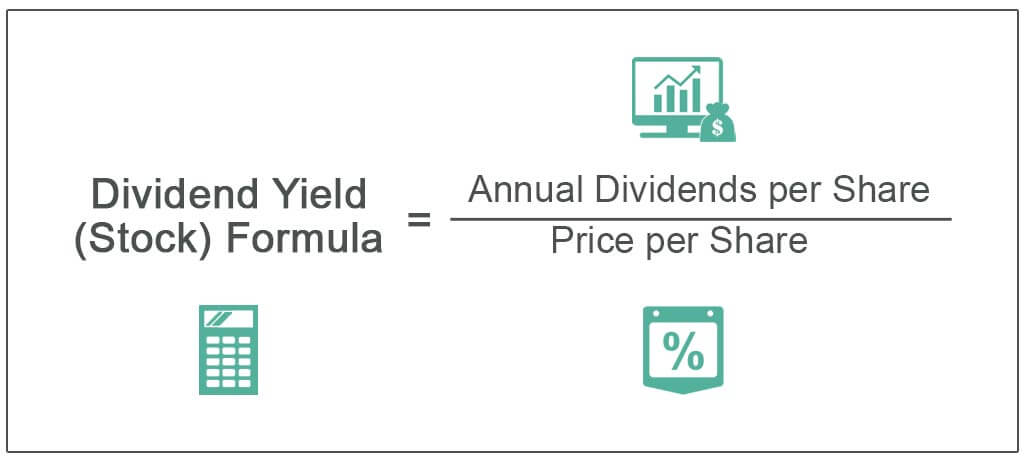
Dividend stocks are shares of publicly traded companies that regularly distribute a portion of their profits to shareholders. This distribution, in the form of dividends, is a direct cash payment or, less commonly, additional shares of stock. The primary function of a dividend stock within the stock market is to provide investors with a stream of income. This income is generated from the company’s earnings and is distributed to shareholders based on the number of shares they own. The dividend yield, calculated by dividing the annual dividend per share by the stock price, is a key metric used by investors to evaluate the income-generating potential of a dividend stock. Companies that pay dividends often demonstrate financial stability and a commitment to rewarding their shareholders. This is not to say that every dividend-paying company is immune to market fluctuations, but the consistent distribution of profits can provide a cushion during periods of market volatility and offer a tangible return on investment beyond potential capital gains. The decision to pay dividends is made by the company’s board of directors and is influenced by factors such as profitability, cash flow, and future investment plans.
Key Characteristics of Dividend Stocks
The following characteristics differentiate dividend stocks from other types of stocks, highlighting their income-generating potential:
- Regular Income Stream: Dividend stocks provide investors with a predictable stream of income, typically paid quarterly or annually. This income can be used for various financial goals, such as covering living expenses or reinvesting in the market.
- Financial Stability Indicator: Companies that consistently pay dividends often exhibit financial stability and profitability. The ability to generate consistent profits and distribute them to shareholders suggests a healthy business model.
- Potential for Capital Appreciation: While the primary focus is income, dividend stocks can also experience capital appreciation, meaning the stock price increases over time. This can further enhance the overall return on investment.
- Defensive Characteristics: During market downturns, dividend stocks can provide a degree of stability due to the income they generate. The dividend payments can partially offset any losses from a declining stock price.
- Reinvestment Opportunities: Dividends can be reinvested to purchase additional shares of the same stock or other investments. This compounding effect can accelerate portfolio growth over time.
Illustrative Example of Dividend Fluctuations
The following table provides an illustrative example of how dividend payments from a hypothetical company, “Apex Corp,” might fluctuate over a three-year period. This example demonstrates that dividend payments can change, even for established dividend stocks, depending on the company’s financial performance.
| Year | Dividend Per Share (Quarterly) | Total Annual Dividend Per Share | Notes |
|---|---|---|---|
| Year 1 | $0.50 | $2.00 | Apex Corp. experienced steady growth and profitability. |
| Year 2 | $0.55 | $2.20 | Increased profitability allowed for a dividend increase. |
| Year 3 | $0.45 | $1.80 | A slight economic downturn led to a reduction in dividend payments. |
Exploring the Mechanisms Behind Dividend Payment Distribution and Frequency

Understanding how dividends are distributed and how often they’re paid is key to appreciating the role of dividend stocks in an investment portfolio. It’s not just about receiving a check; it’s about understanding the financial health of the company and how it prioritizes its shareholders. This section breaks down the processes involved in dividend payouts and the different schedules companies use.
Determining and Declaring a Dividend
The decision to pay a dividend is a significant one, reflecting a company’s financial performance and its commitment to shareholders. The process is not arbitrary; it’s a carefully considered decision involving several factors. The board of directors, the governing body of a corporation, plays the pivotal role in determining whether a dividend will be paid and how much it will be.
Several key elements influence the dividend amount. First, the company’s profitability is a major driver. Higher profits generally allow for higher dividend payments. The company’s cash flow, or the actual money flowing in and out, is also critical. Even a profitable company might not pay dividends if it lacks sufficient cash. Secondly, the company’s financial obligations, such as debt repayments and investment in growth, influence dividend decisions. Finally, the company’s dividend policy, which is the established approach to paying dividends, plays a significant role. Some companies have a consistent dividend policy, aiming to pay a specific amount or a percentage of earnings, while others have a variable policy, adjusting dividends based on financial performance.
Once the board of directors decides on a dividend, it formally declares it. This declaration specifies the amount of the dividend per share, the date of record (the date shareholders must own the stock to receive the dividend), the ex-dividend date (the date on or after which a buyer of the stock will not receive the upcoming dividend), and the payment date (the date the dividend will be distributed to shareholders). This entire process is documented and announced to the public, providing transparency to investors.
Dividend Payment Frequencies
Companies don’t just issue dividends whenever they feel like it; they typically stick to a regular schedule. The frequency of these payments can significantly impact an investor’s cash flow and overall investment strategy. The most common frequencies are quarterly, semi-annually, and annually. Each approach has its own set of pros and cons.
- Quarterly Dividends: This is the most prevalent payment schedule. Quarterly dividends provide investors with a regular income stream four times a year. This can be beneficial for investors seeking consistent cash flow. However, it also means the company needs to have sufficient cash on hand at four different points throughout the year. For example, a company like Johnson & Johnson (JNJ) has consistently paid quarterly dividends, providing a reliable source of income for its shareholders.
- Semi-Annual Dividends: Some companies choose to pay dividends twice a year. This frequency provides a less frequent but still regular income stream. It may be suitable for companies that prefer to conserve cash or those with more variable earnings.
- Annual Dividends: A company paying dividends annually distributes dividends only once a year. This is less common and often seen in companies with more volatile earnings or those prioritizing reinvestment in the business. The advantage is that it can provide a lump sum payment.
The Dividend Payment Cycle
The dividend payment cycle is a structured process, ensuring that dividends are distributed efficiently and fairly. Here’s a breakdown of the typical steps involved:
- Declaration: The board of directors announces the dividend, specifying the amount, record date, ex-dividend date, and payment date.
- Ex-Dividend Date: This date is crucial. If you purchase the stock on or after this date, you will not receive the upcoming dividend.
- Record Date: Shareholders on the company’s books on this date are eligible to receive the dividend.
- Payment Date: The company distributes the dividend payments to eligible shareholders, either electronically or via check.
Examining the Financial Metrics That Influence Dividend Stock Performance and Selection

Choosing dividend stocks involves careful consideration of several financial metrics. These metrics offer insights into a company’s financial health, its ability to sustain dividend payments, and its overall attractiveness as an investment. Understanding these key indicators can help investors make informed decisions and build a robust portfolio.
Key Financial Ratios for Dividend Stock Evaluation
Several financial ratios are crucial when assessing the suitability of a dividend stock for investment. These ratios provide a snapshot of the company’s financial performance and its ability to continue distributing dividends.
- Dividend Yield: This ratio measures the annual dividend payment relative to the stock’s current market price. A higher dividend yield might seem appealing, but it’s essential to consider the sustainability of the dividend. A high yield could also indicate that the market perceives the stock as risky or that the dividend might be cut.
Dividend Yield = (Annual Dividends per Share / Current Market Price per Share) * 100
- Payout Ratio: This ratio indicates the percentage of earnings a company pays out as dividends. A lower payout ratio suggests the company has more room to increase its dividend or withstand financial challenges without cutting the dividend. Conversely, a high payout ratio might indicate the dividend is unsustainable, especially if the company’s earnings are volatile.
Payout Ratio = (Annual Dividends per Share / Earnings per Share) * 100
- Earnings Per Share (EPS): EPS reflects the company’s profitability on a per-share basis. Growing EPS is a positive sign, as it indicates the company is generating more profit, which can support higher dividends. Investors should analyze EPS trends over several years to understand the company’s earnings growth trajectory. A consistent or increasing EPS provides a solid foundation for dividend payments.
Determining Dividend Sustainability
Assessing the sustainability of a company’s dividend payments involves analyzing various financial aspects. This includes examining earnings, cash flow, and debt levels to gauge the company’s ability to continue distributing dividends in the future.
- Earnings Analysis: Evaluating the company’s historical and projected earnings is crucial. Consistent earnings growth or stable earnings provide a strong foundation for dividend payments. Companies with volatile earnings may be more likely to cut their dividends during economic downturns.
- Cash Flow Analysis: Analyzing a company’s cash flow, particularly free cash flow (FCF), is a key method for determining dividend sustainability. FCF represents the cash a company generates after accounting for capital expenditures, providing a clear picture of the cash available to pay dividends, repurchase shares, or invest in growth.
- Debt Levels: High debt levels can strain a company’s finances, potentially impacting its ability to pay dividends. Companies with significant debt may prioritize debt repayment over dividend payments. Investors should assess the company’s debt-to-equity ratio and interest coverage ratio to understand its financial leverage.
Calculating Dividend Yield and Payout Ratio
Here’s a table illustrating how to calculate dividend yield and payout ratio using hypothetical financial data:
| Metric | Formula | Example Company: XYZ Corp | Calculation |
|---|---|---|---|
| Annual Dividends per Share | (Total Dividends Paid / Number of Shares Outstanding) | $2.00 | (Example: $20 million / 10 million shares) |
| Current Market Price per Share | (Stock Price) | $50.00 | |
| Dividend Yield | (Annual Dividends per Share / Current Market Price per Share) * 100 | 4.00% | ($2.00 / $50.00) * 100 |
| Earnings Per Share (EPS) | (Net Income / Number of Shares Outstanding) | $5.00 | (Example: $50 million / 10 million shares) |
| Payout Ratio | (Annual Dividends per Share / Earnings per Share) * 100 | 40.00% | ($2.00 / $5.00) * 100 |
Unveiling the Tax Implications and Considerations Related to Dividend Income: What Is A Dividend Stock And How Does It Work
Tax implications are a significant factor when considering dividend stocks. Understanding how dividends are taxed is crucial for making informed investment decisions and managing your overall tax liability. The tax treatment of dividends varies depending on the type of dividend and the type of account in which the stock is held.
Types of Dividends and Their Tax Treatment, What is a dividend stock and how does it work
Dividends aren’t all taxed the same way. The IRS distinguishes between different types, each with its own tax rules. The most common distinctions are between qualified and ordinary dividends.
- Qualified Dividends: These dividends are taxed at the same rates as long-term capital gains. This is generally the more favorable tax treatment. To be considered qualified, the dividends must meet specific holding period requirements, meaning you must have held the stock for a certain period before and after the ex-dividend date. The tax rate on qualified dividends depends on your taxable income, or your tax bracket. The rates for 2024 are as follows:
- 0% for those in the 10% and 12% tax brackets.
- 15% for those in the 22%, 24%, 32%, and 35% tax brackets.
- 20% for those in the 37% tax bracket.
- Ordinary Dividends: These dividends are taxed at your ordinary income tax rate, which is usually a higher rate than qualified dividends. Ordinary dividends include those from Real Estate Investment Trusts (REITs) and some other types of stocks.
For example, if you’re in the 22% tax bracket and receive $1,000 in qualified dividends, you’ll pay 15% on those dividends, or $150 in taxes. However, if you receive $1,000 in ordinary dividends, you’ll pay $220 in taxes. This difference underscores the importance of understanding the dividend type.
Tax Implications Based on Account Type
Where you hold your dividend stocks also affects how they’re taxed. Different account types offer different tax advantages.
- Taxable Brokerage Accounts: Dividends received in a taxable brokerage account are subject to taxes in the year they are received. The type of dividend (qualified or ordinary) determines the tax rate, as described above. You’ll receive a Form 1099-DIV from your broker summarizing your dividend income at the end of the tax year.
- Retirement Accounts (e.g., 401(k), Traditional IRA): Dividends within these accounts are generally not taxed in the year they are received. Taxes are deferred until you withdraw the money in retirement. This can be a significant advantage, as it allows your dividends to compound tax-free over time. However, when you withdraw the funds, both the dividends and any capital gains are taxed at your ordinary income tax rate.
- Tax-Advantaged Accounts (e.g., Roth IRA): Dividends within a Roth IRA are not taxed at any point. You don’t pay taxes on the dividends when they are received, and withdrawals in retirement are also tax-free. This is the most tax-efficient way to hold dividend stocks.
Consider a scenario: An investor holds the same dividend stock in both a taxable brokerage account and a Roth IRA. In the taxable account, the dividends are taxed annually, reducing the amount available for reinvestment. In the Roth IRA, the dividends grow tax-free, leading to a potentially much larger portfolio value over time.
Summary of Dividend Tax Implications:
- Qualified Dividends: Taxed at long-term capital gains rates (0%, 15%, or 20% depending on your income).
- Ordinary Dividends: Taxed at your ordinary income tax rate.
- Taxable Accounts: Dividends are taxed annually.
- Retirement Accounts (Traditional): Dividends are tax-deferred until withdrawal.
- Tax-Advantaged Accounts (Roth): Dividends are tax-free.
Analyzing the Risks and Rewards Associated with Investing in Dividend Stocks

Investing in dividend stocks presents a compelling strategy for many investors, offering the potential for both income and capital appreciation. However, like any investment approach, it’s crucial to understand the associated risks and rewards to make informed decisions. This section delves into the potential pitfalls and benefits of dividend stock investing, along with strategies to mitigate risk and maximize returns.
Potential Risks of Dividend Stock Investments
Investing in dividend stocks isn’t without its downsides. Several risks can impact the value of your investment and the income it generates. Understanding these risks is vital for effective portfolio management.
* Dividend Cuts: A company may reduce or eliminate its dividend payments if its financial performance deteriorates. This can significantly impact your income stream and potentially lead to a decline in the stock price. This can occur due to various reasons, such as declining profitability, increased debt, or unforeseen economic challenges. For example, during the 2008 financial crisis, many banks, including Citigroup and Bank of America, slashed their dividends to conserve capital.
* Economic Downturns: Economic recessions can put pressure on companies’ earnings and cash flow, increasing the likelihood of dividend cuts. During periods of economic uncertainty, businesses may prioritize conserving cash over distributing dividends. The impact can be widespread, affecting multiple sectors and companies.
* Company-Specific Issues: Individual companies may face challenges that affect their ability to pay dividends, even in a healthy economy. These issues can include poor management decisions, increased competition, or regulatory changes. For example, a pharmaceutical company might experience a decline in revenue due to the expiration of a patent on a blockbuster drug, leading to dividend cuts.
* Interest Rate Risk: As interest rates rise, dividend stocks may become less attractive compared to bonds, which offer fixed income. This can lead to a decrease in demand for dividend stocks and a potential decline in their prices.
* Inflation Risk: While dividends can provide a hedge against inflation, they might not always keep pace with rising prices. If inflation erodes the purchasing power of your dividend income, the real value of your investment can diminish.
Potential Benefits of Dividend Stock Investments
Dividend stocks offer a variety of benefits that can enhance an investment portfolio. Here’s a look at the key advantages:
* Passive Income: Dividends provide a regular stream of income, offering financial stability and the potential to cover expenses or reinvest.
* Compounding Returns: Reinvesting dividends allows for the compounding of returns, accelerating portfolio growth over time.
* Portfolio Stability: Dividend-paying stocks often exhibit lower volatility compared to non-dividend-paying stocks, contributing to overall portfolio stability.
* Potential for Capital Appreciation: Dividend stocks can increase in value over time, providing capital gains in addition to dividend income.
* Inflation Hedge: Dividends can help to offset the effects of inflation, especially if the dividends grow over time.
Strategies for Hedging Against Inflation and Economic Volatility
A well-diversified portfolio of dividend stocks can serve as a valuable tool for navigating economic uncertainty and protecting against inflation. The key lies in strategic diversification and prudent stock selection.
* Diversification Across Sectors: Investing in dividend stocks across various sectors, such as consumer staples, healthcare, and utilities, can reduce the impact of economic downturns affecting specific industries. These sectors are often considered defensive, as demand for their products and services tends to remain relatively stable, even during economic slowdowns.
* Focus on Dividend Growth: Choosing companies with a history of increasing their dividends can provide a hedge against inflation. As inflation rises, a growing dividend stream can help maintain or even increase your purchasing power. Consider companies that have consistently increased their dividends over several years.
* Quality over Yield: Prioritize companies with strong fundamentals, healthy balance sheets, and sustainable payout ratios. A high dividend yield can be tempting, but it may signal financial distress. Focus on companies with a track record of profitability and the ability to maintain their dividend payments.
* Regular Rebalancing: Periodically rebalancing your portfolio to maintain your desired asset allocation ensures that you’re not overexposed to any single stock or sector. This helps to manage risk and maintain your investment strategy.
Final Thoughts

In short, understanding what is a dividend stock and how does it work empowers you to make informed investment choices. From understanding the basics to analyzing financial metrics and navigating tax implications, this journey equips you with the knowledge to potentially build a reliable income stream and a more resilient portfolio. Investing in dividend stocks is a smart approach that has been around for a long time. So, go forth, explore, and maybe even start collecting those dividend checks!